






Embark Studios defended its use of automated text-to-speech tools for NPC dialogue in Arc Raiders, arguing that recording every line manually would overwhelm human voice actors as live updates roll out. Speaking in an official developer diary released in November 2026, Swedish developers addressed community criticism surrounding Arc Raiders AI voice lines after the multiplayer extraction shooter launched in October 2025 on PC, PS5, and Xbox Series X/S [2]. Scott McCrae reported the controversy for GamesRadar+ [1].
Arc Raiders AI Addressed Studio Dialogue Delays
Audio director Bence Pajor said earlier studio jobs taught him how rigid voice production schedules can paralyze design changes during the final months of making a major video game. In previous jobs, gameplay choices could not change once actors finished booth sessions and audio files were locked into the build. Pajor called that delay a true pain. Working with local voice actors in Stockholm, Sweden helped Swedish developer Embark Studios build early audio pipelines, but rapid balance shifts in Arc Raiders still created dialogue hurdles for writers and sound engineers [2].
To keep Arc Raiders agile, Embark trained speech models on recordings provided by hired actors. Whenever the team added a fresh weapon, gear item, or raid objective, text-to-speech tools generated placeholder NPC lines right away without booking new studio dates. Pings created countless dialogue variations. Pajor argued that recording every version of a ping or mission briefing in a booth was impossible for a small crew. He said that “actors would just go crazy if they had to read all of that” during repetitive sessions [1].
Arc Raiders receives regular balance patches and map updates that require fresh voice callouts from NPC characters. Because players rely on quick pings during intense extraction raids, dialogue systems must call out newly added weapons and altered combat zones without waiting on future studio recording dates. Hauling actors back to recording booths for every tiny text tweak would slow down essential patches. Embark wanted fast tests, so Arc Raiders AI dialogue served as an intermediate bridge for ongoing multiplayer upkeep as live updates expanded across PC and console servers [3].

Actor Reactions to Synthetic Dialogue Tools
Two voice actors, Diana Gardner and Jo Rideout, described how the setup shaped their daily work routines. Gardner voiced Celeste in Arc Raiders. Rideout plays Shani. Gardner said the arrangement felt freeing because short recording duties let her accept outside acting work without schedule clashes. If Embark only needed an hour of her time for brief callouts, she did not have to cancel other shoots or turn down competing acting jobs in television [1].
In an episode of The Evolution of ARC Raiders, Gardner spoke about artistic credit once automated speech entered the final game mix. Gardner questioned her performance credit. Although she felt early contract terms were fair, hearing the AI-powered lines inside the finished shooter left her with serious doubts about the artistic outcome, realizing she could not claim true ownership over algorithmic line reads. Gardner said “the contract seemed so fair” when signing on. Hearing the final dialogue made her question her creative connection to Celeste in Arc Raiders. While she appreciated the flexible schedule that let her take outside roles, she wondered if fans were hearing her acting or machine output, concluding that she could not take credit for the final performance on the project [2].
Both actors valued their partnership. Rideout explored character bonds with Gardner, showing how their booth chemistry built the relationship between Shani and Celeste across early Arc Raiders recording sessions. Both actors recognized that while automated dialogue filled temporary production gaps, human line delivery gave characters essential emotional heart, keeping their voices tied to key roles without locking their schedules [3].
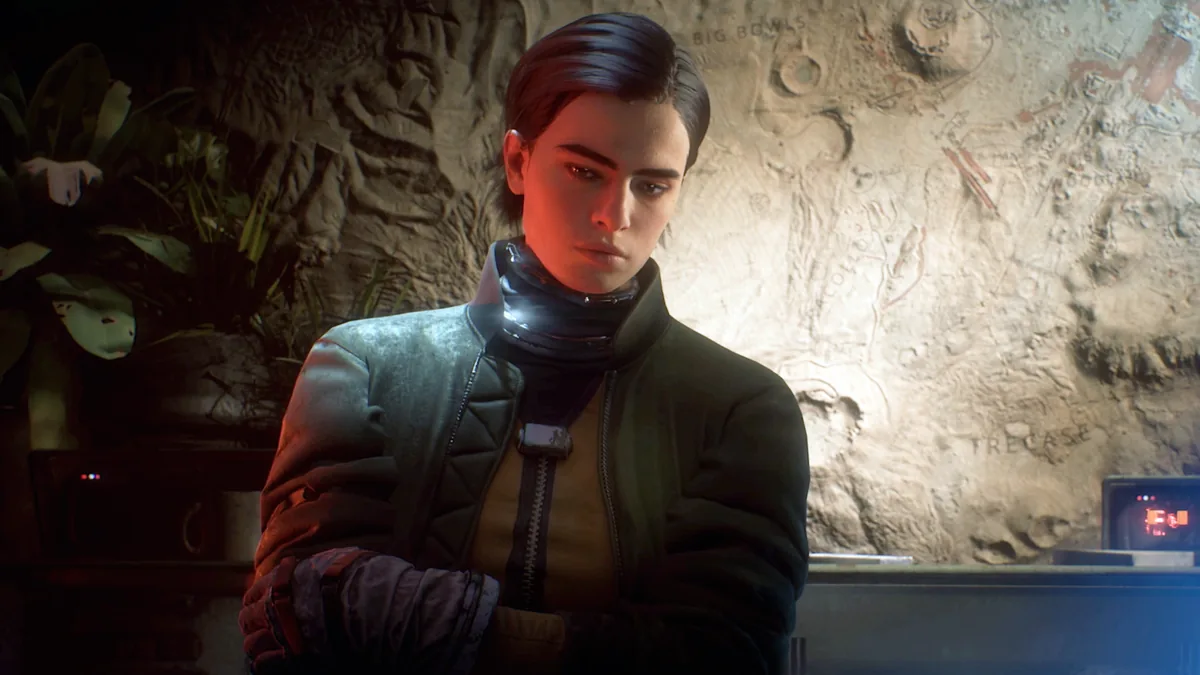


Replacing Arc Raiders AI With Studio Performances
Embark executives said that automated line tools were never meant to permanently replace professional talent. CEO Patrick Söderlund stated that Embark has been actively replacing computer-generated lines with real studio takes as development moves forward. Embark already began that booth work. Because strong game sales brought more funds to Arc Raiders, the audio team can now afford to book actors for expanded studio script sessions in Stockholm [3].
Strandberg defended the studio vision. Chief creative officer Stefan Strandberg rejected claims that Embark wanted to cut actors out of the loop, stating during the documentary that “we are not in the industry of replacing actors”. He argued that the team aims to do the opposite by giving performers more space in future story updates, hoping to celebrate human acting and give Arc Raiders players richer character moments in coming years [1].
Pajor and his audio staff in Stockholm have spent recent months phasing out rough text-to-speech files that players disliked at launch. The update replaces robotic inflections with authentic human timing, giving characters believable presence during tense firefights. Embark maintains that automated tools helped launch Arc Raiders on schedule, but sound engineers now prioritize studio takes to upgrade Arc Raiders AI dialogue systems [2].

Community Feedback on Dialogue Quality
Reviews and community feedback often targeted synthetic dialogue as a notable flaw after Arc Raiders launched. Eurogamer writer Connor Makar pointed out that flat AI-powered speech broke immersion during tense matches when automated callouts felt disconnected from intense on-screen shooter action. Embark faced similar pushback during the rollout of The Finals, where automated announcers sparked debate among gamers and voice actor groups in the industry [2].
Schofield questioned the necessity. Journalist Ashley Schofield at Rock Paper Shotgun argued that choosing artificial speech was a cost-saving shortcut to rush Arc Raiders out the door without paying actors for complete studio recording sessions. Embark framed the tool as an unavoidable production aid, but Schofield viewed it as an attempt to fix dialogue issues in post-production [3].
Embark co-founder Stefan Strandberg defended the studio’s choice by pointing to team size limits during early development. He said the team used text-to-speech to maximize output as a small crew trying to build rich worlds while staying agile. The team maintained that Arc Raiders AI voice lines let designers test new combat systems and quest goals that would otherwise stall under standard booking limits [1].
Industry Comparisons to Small Team Models
Nexon noticed the workflow. Publishing partner Nexon described Arc Raiders as a trojan horse for generative tools in small team game development, arguing that smaller studios could build massive worlds by substituting machine generation for labor-heavy pipelines. Performers voiced immediate concern over shrinking future contract work as automated voice software spreads through the games industry [2].
Commentators contrasted Embark’s claims against major role-playing games that recorded massive dialogue scripts without using automated voice tools. Titles like Disco Elysium and Baldur’s Gate 3 delivered hundreds of thousands of spoken words while hiring union actors for extensive studio takes in sound booths. Both RPG hits relied on human casts. Even live-service rivals like Apex Legends have updated hero callouts for years without turning to automated line generation [3].
Live balance tests continue. As Arc Raiders adds regular patches, Embark faces the task of balancing rapid content updates against player demand for audio quality. Between tests for a cooperative PvE mode and backend security updates with Denuvo Anti-Cheat, the Stockholm team continues working to prove that its hybrid voice model can support actors without harming player immersion [3].
- ONLINE NEWS McCrae, S. (2026, November 3). Arc Raiders had to use AI voices, dev insists, because real voice actors “would just go crazy if they had to read all of that” and get paid for doing it. GamesRadar+. [Article Link]
- ONLINE NEWS Makar, C. (2026, November 3). Arc Raiders devs say that using generative AI voice acting was necessary as actors “would just go crazy if they had to read all of that”. Eurogamer.net. [Article Link]
- ONLINE NEWS Schofield, A. (2026, November 3). Arc Raiders devs Embark insist that using genAI for voice lines was necessary, as “actors would just go crazy if they had to read all of that”. Rock Paper Shotgun. [Article Link]


