





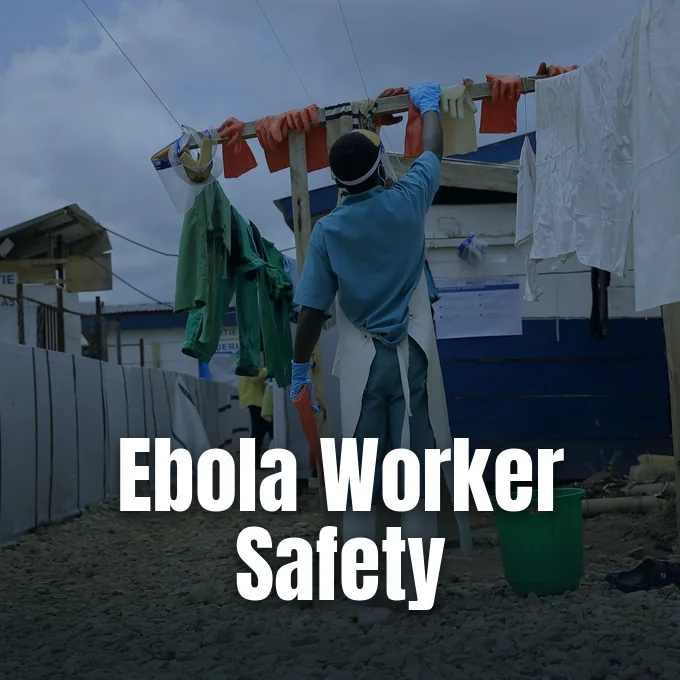
The ongoing DRC Ebola outbreak has pushed field response teams into dangerous territory, where health workers face lethal illness and local violence. Since health authorities declared the epidemic in May 2026, doctors and local teams have struggled to deliver bedside care without approved vaccines or curative medicines. A dual crisis in the eastern provinces has reopened basic questions in bioethics about how much personal risk society can demand of frontline staff during prolonged humanitarian emergencies [1].
When Did the DRC Ebola Outbreak Start?
The World Health Organization declared the Bundibugyo Ebola outbreak on May 15, 2026, after virus spread began in eastern provinces. By November 18, 2026, field teams recorded 11,712 cases and 5,720 deaths, with nearly all casualties in the Democratic Republic of Congo (DRC) [1].
Early detection and fluid care form the core of clinical work because researchers have not yet deployed an approved vaccine or medicine for this viral strain. Clinical trials continue, but field staff must rely on basic bed rest, contact tracing, and safe isolation wards to curb spread. Maintaining those wards needs daily work from doctors, nurses, cleaners, lab staff, and volunteers who enter hot zones without curative tools [1].
Health workers took heavy losses during the first months of the crisis. Official counts showed that 160 health workers had caught the virus by August 2026, and 43 of them died from the illness. Losses hit rural clinics where skilled staff were already scarce, leaving surviving staff to manage heavy wards amid deep grief. Staff took on steep risks each day to keep isolation units open for village families. Their deaths prompted ethicists to ask whether public agencies can expect workers to stay when basic clinic safeguards stay out of reach. In several hard-hit zones, clinic teams faced an agonizing choice between working without safety suits or leaving patients without care [1].
Historical Roots of the Duty to Treat
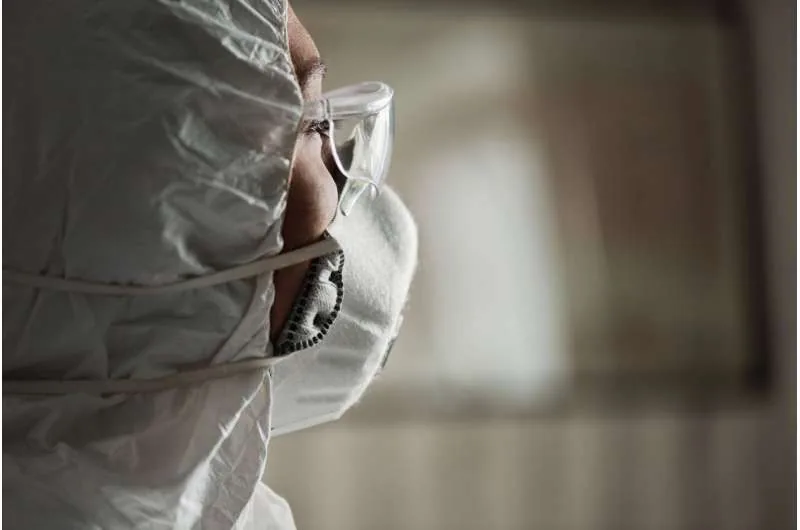
The expectation that medical staff must stay on duty during lethal epidemics has deep roots in Western clinical history. In 1847, the American Medical Association (AMA) issued its first code of ethics, instructing doctors to provide care during outbreaks “even at the risk of their own lives” [2]. The rule emerged partly because doctors had fled past plagues, including recorded flights during the Antonine plague between 165 and 180 and the 1793 yellow fever outbreak in Philadelphia [1].
Early codes gave staff shared rules during dangerous events, but the scope of that duty changed over time. In a study in The American Journal of Bioethics, researchers S. J. Huber and M. K. Wynia said that medical acceptance of a strict duty to treat peaked between 1847 and the 1950s before retreating over the last 40 years [2]. Bioethicists later reopened the debate during the HIV epidemic and the SARS outbreak, when World Health Organization data showed that 30% of reported SARS cases occurred among health workers [3].
Safety rules during disease outbreaks also drew scrutiny during the response to a plague case in a Siberian laboratory. When state systems fail to manage workplace risks, field workers bear dangers that institutional planners should have prevented.
What Do Frontline Teams Owe Patients?
Bioethics literature offers several core arguments to explain why medical staff might owe care to infected patients. Some ethicists point to medical training, arguing that clinical staff possess unique skills that make their help essential during epidemics [3]. Others argue that a social contract exists, where society gives doctors social standing and early access to vaccines in exchange for care during crises [1].
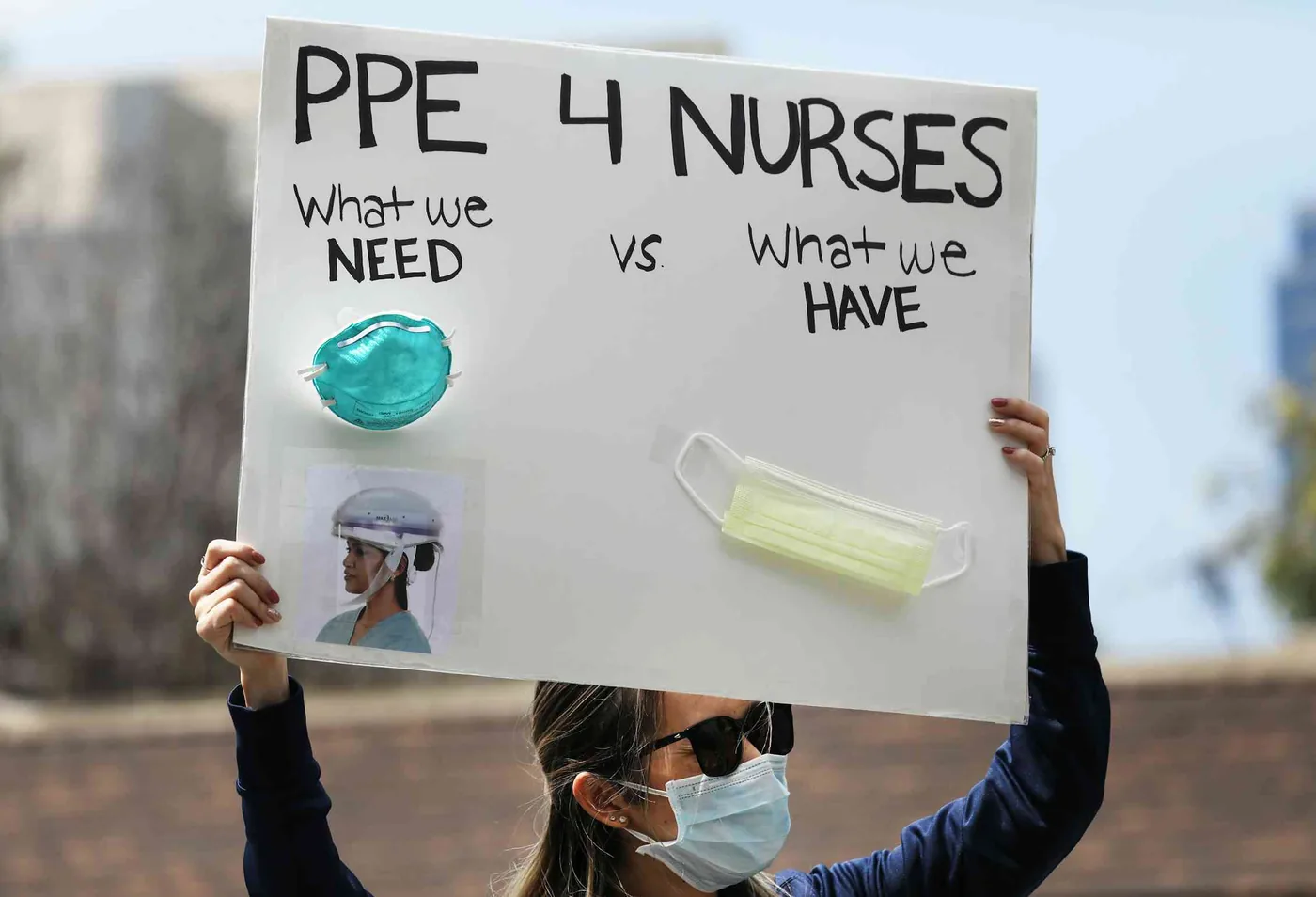
Philosopher G. Ortiz-Millán argued that none of these claims creates an absolute duty to treat patients during an epidemic. Writing in The Journal of Medicine and Philosophy, Ortiz-Millán said that professional duty must balance against moral duties to family members, coworkers, and personal safety [5]. In a separate analysis in the Journal of Medical Ethics, bioethicist U. Schuklenk said that the duty to treat is conditional on the supply of adequate personal protective equipment (PPE), arguing that gear shortages often stem from political choices prioritizing low tax rates over public health funding [4].
When public systems fail to supply basic safety gear, does a doctor still possess a duty to enter an infected ward? Ethicists argue that a failure by the state to protect workers dissolves any moral claim to unconditional labor [4].


Physical Threats Facing Field Teams
In the conflict zones of eastern Congo, viral spread is only one part of the danger facing response workers. Teams responding to the Bundibugyo outbreak have faced open anger from local residents, including physical assaults, verbal threats, and armed intimidation. Resentment often grows from distrust of state clinics and grief over public rules that ban traditional burial customs, which customarily involve washing the body of the deceased [1].
Health teams have turned to social listening in health crises to track community fears and adapt field messaging. Rumors can turn violent when families suspect that isolation camps spread disease rather than cure it. Long regional instability, linked to the legacy of Belgian colonization and extractive mining, has left eastern Congo exposed to rebel militia that rob medical storehouses and ambush aid trucks [1].
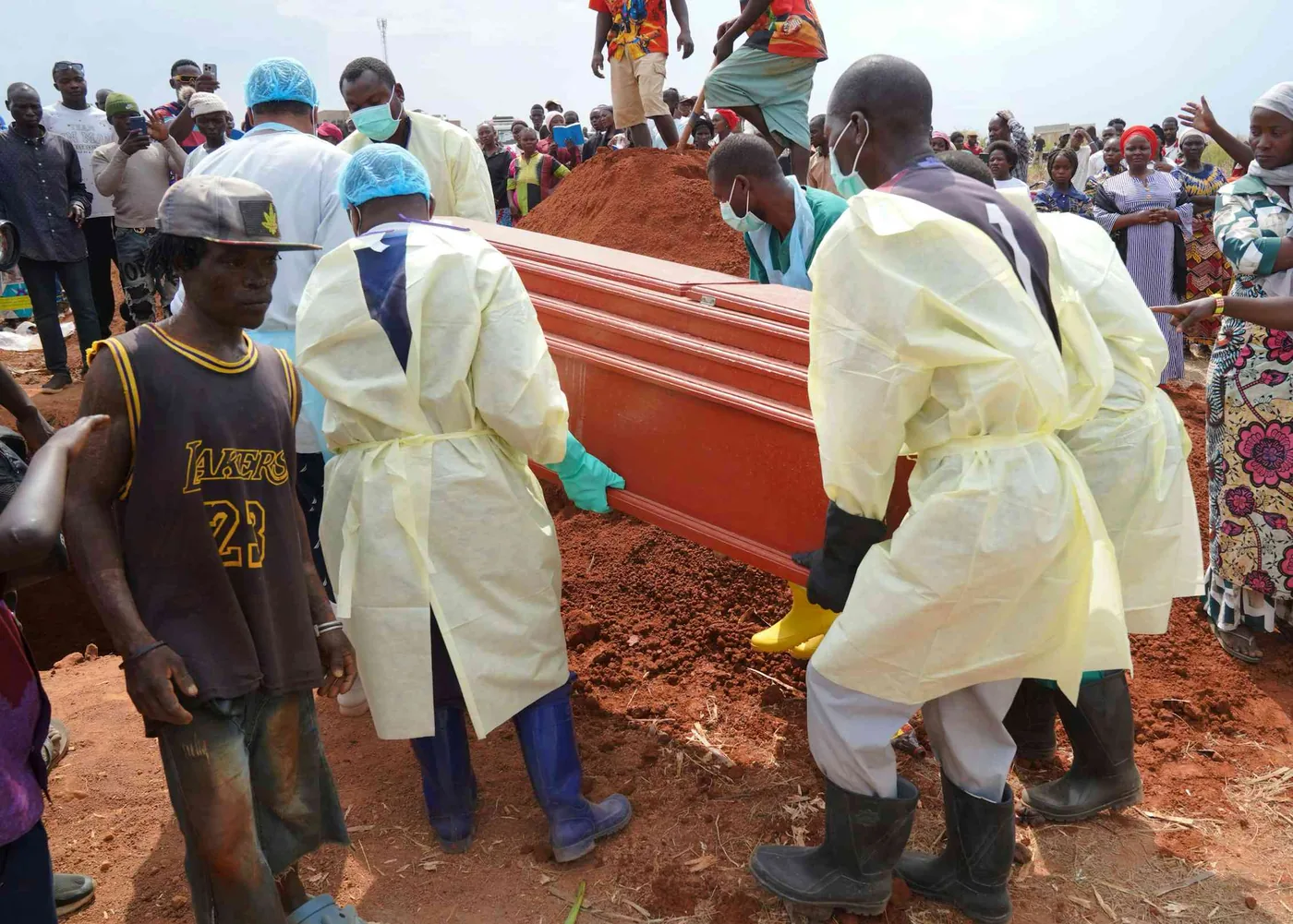
Surveillance records show extensive violence against health facilities and staff across the eastern provinces. Between May 15 and November 18, 2026, the World Health Organization (WHO) verified 81 verified attacks on health posts, leading to five deaths and 34 injuries. Raids on 29 clinics and depots worsened shortages of gloves, clean gowns, and clean water. Field reports indicate that unverified violence is even more widespread; as of August 2026, United Nations senior coordinator Julien Harneis reported more than 260 attacks on responders, with eight workers killed in the line of duty [1]. Frequent armed raids forced aid groups to halt mobile work, leaving rural villages without fever checks or ambulance transport.
DRC Ebola Outbreak Strains Unprotected Local Staff
Ethical debates in major epidemics often ignore the non-clinical staff who lack formal medical degrees. Existing guidance, including frameworks from the Hastings Center and the World Health Organization, focuses almost entirely on licensed doctors and nurses in hospital wards. Yet disease containment depends on community health workers, ambulance drivers, burial crews, and cleaners who handle contaminated waste and talk with fearful families in remote towns [1].
Local workers face precarious jobs, earning small stipends or temporary travel allowances instead of steady wages. Many travel alone on foot to trace contacts and deliver soap and bleach across rural zones. A large share of these frontline workers are women who face gendered harassment and sexual violence while visiting isolated homes in conflict areas [1].

Field research led by S. Closser and Baldeep K. Dhaliwal in BMJ Global Health revealed widespread workplace risks among female community health workers in low-income health systems. Despite their core role in disease control, these women lack formal employment protections, medical insurance, and injury compensation when assaulted on duty [7]. Bioethics guidelines on physician duty remain silent on the protections owed to these informal workers.
Safety as a Prerequisite for Containment
Epidemiologist Baldeep K. Dhaliwal and bioethicist Sarah Elizabeth Scales argued that protecting field teams is not an optional ethical ideal, but an essential condition for stopping viral spread. In a 2026 report, Dhaliwal and Scales said that “worker protection is not an ethical add-on to outbreak control; it is a prerequisite for it”. When workers fear physical violence or catch deadly infections, fever tracking stops, field teams disband, and treatment clinics lose the staff needed to keep beds open [1]. Crisis planners such as J. L. Hick said that crisis standards of care require systems to conserve, adapt, and substitute resources fairly so that workers are not abandoned to extreme hazards [6].
Public health agencies and national leaders have a moral duty to create safe working conditions for clinical and community teams in the DRC Ebola outbreak. Delivering steady safety supplies, halting militia raids on clinics, and extending legal safeguards to informal workers represent basic requirements for an ethical outbreak response. Expecting healthcare staff to face bullets and machetes in addition to a lethal virus turns medical duty into an unreasonable sacrifice [1].
- ONLINE NEWS Dhaliwal, B. K., & Scales, S. E. (2026). The DRC’s Ebola crisis revives an old ethical question: What do health workers owe patients? Medical Xpress. [Article Link]
- ACADEMIC JOURNAL Huber, S. J., & Wynia, M. K. (2004). When pestilence prevails … physician responsibilities in epidemics. The American Journal of Bioethics, 4(1), 5-11. [Article Link]
- ACADEMIC JOURNAL Ruderman, C., Tracy, C. S., Bensimon, C. M., Bernstein, M., Hawryluck, L., Shaul, R. Z., & Upshur, R. E. (2006). On pandemics and the duty to care: Whose duty? Who cares? BMC Medical Ethics, 7(1). [Article Link]
- ACADEMIC JOURNAL Schuklenk, U. (2020). What healthcare professionals owe us: Why their duty to treat during a pandemic is contingent on personal protective equipment (PPE). Journal of Medical Ethics, 46(7), 432-435. [Article Link]
- ACADEMIC JOURNAL Ortiz-Millán, G. (2025). Justification and limitations of the duty to treat. The Journal of Medicine and Philosophy, 50(5), 354-369. [Article Link]
- ACADEMIC JOURNAL Hick, J. L., Hanfling, D., Wynia, M. K., & Pavia, A. T. (2020). Duty to plan: Health care, crisis standards of care, and novel coronavirus SARS-CoV-2. NAM Perspectives. [Article Link]
- ACADEMIC JOURNAL Closser, S., Sultan, M., Tikkanen, R., Singh, S., Majidulla, A., Maes, K., Gerber, S., Rosenthal, A., Palazuelos, D., Tesfaye, Y., Finley, E., Abesha, R., Keeling, A., & Justice, J. (2023). Breaking the silence on gendered harassment and assault of community health workers: An analysis of ethnographic studies. BMJ Global Health, 8(5), e011749. [Article Link]
APA 7: PerEXP Teamworks. (2026, November 25). DRC Ebola Outbreak Tests the Limits of Health Workers’ Duty. PerEXP Teamworks. https://perexpteamworks.com/en/drc-ebola-outbreak-worker-duty/


