




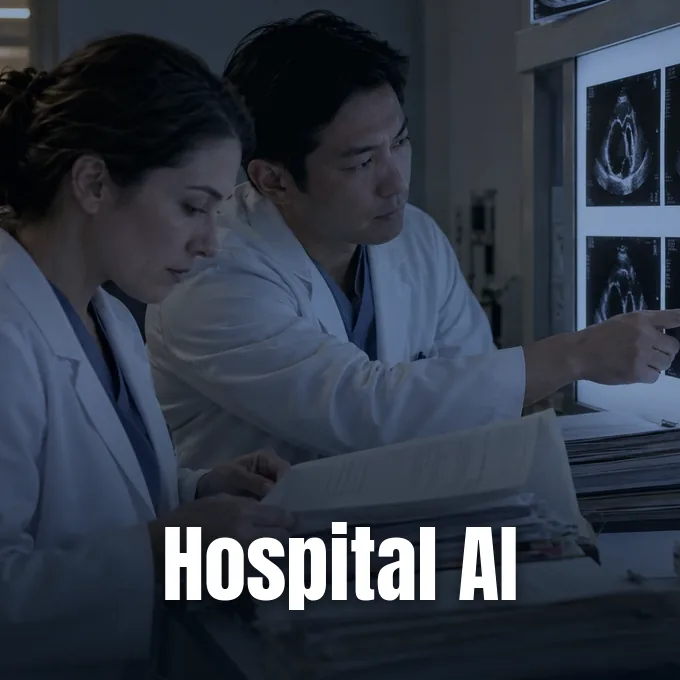
Nvidia and clinical software maker Dyania Health announced on November 13, 2026, that the startup’s Synapsis AI clinical tool is running on hospital-owned servers. The setup keeps patient charts behind hospital firewalls so health systems can learn from medical histories without moving sensitive records into outside cloud systems. In a first retrospective study at Cleveland Clinic, the system reviewed up to 16 years of care for 7,812 aortic valve replacement patients to forecast long-term device durability. The project aims to eliminate the manual bottleneck of chart review for more than 7,800 patients. Doctors still make every call. While big tech firms expand their push into health software, doctors review every clinical signal produced by the model before making medical decisions [1].
Local Firewalls Protect Trapped Patient Charts
Hospitals store decades of clinical history, but up to 80 percent of patient records remain trapped as unstructured narrative text. Clinicians reading through millions of doctor notes, pathology reads, and discharge summaries by hand face strict limits on the scale of hospital research [7].
Most health networks hesitate to upload patient files to public cloud networks because data privacy rules and governance standards remain strict. Providers fear regulatory penalties and institutional leaks, so medical centers have turned hospital firewalls into digital boundaries that protect local repositories. Dyania Health, based in Jersey City, New Jersey, built its Synapsis AI tool to address that privacy barrier, allowing local machines to run clinical models on private hardware rather than transferring files to outside networks where data control weakens [3].
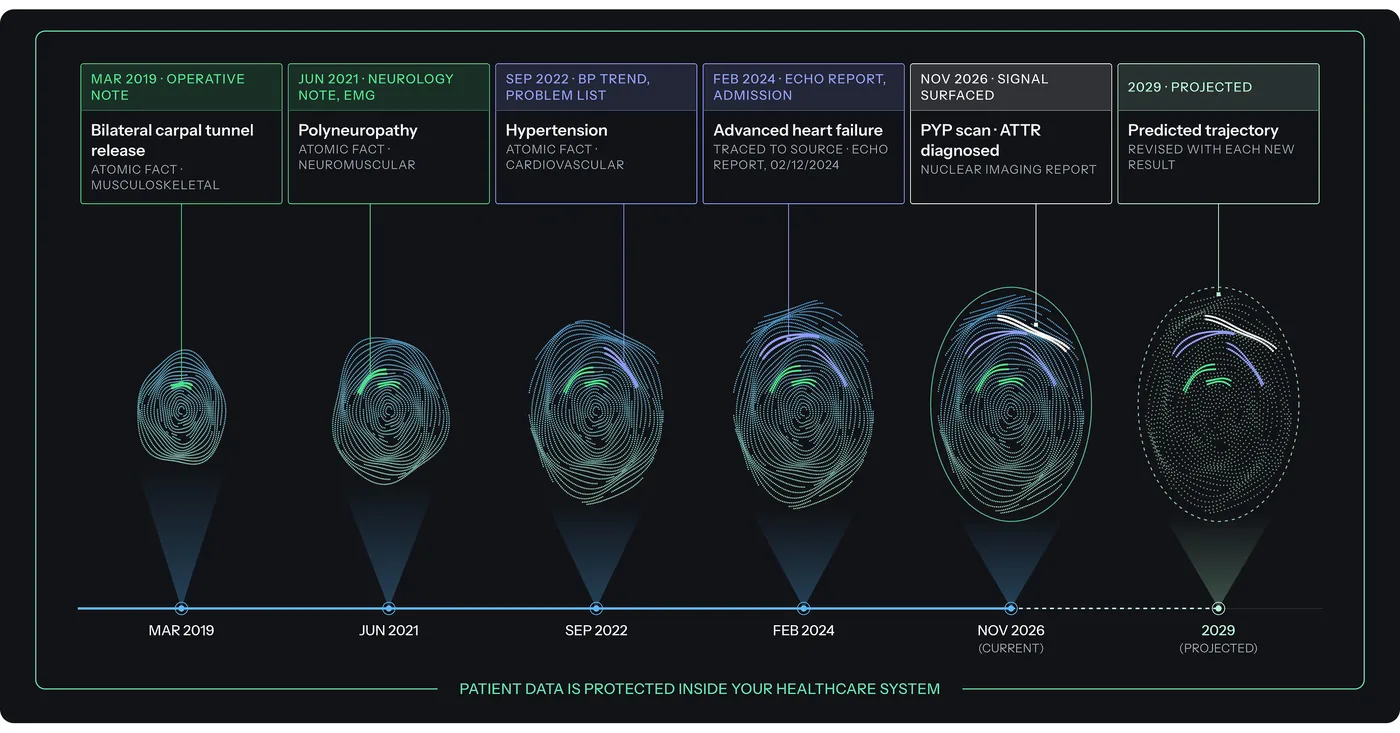
The setup mirrors earlier efforts to keep medical data localized, such as an emergency triage tool that Nvidia helped build for the UK NHS. On-premises inference lets health networks analyze narrative charts without sharing protected health data. Eirini Schlosser, founder and chief executive of Dyania Health, said that keeping records where they belong allows care teams to learn from past patient outcomes without risking patient privacy [1].
Cleveland Clinic Tests Dyania Health Records Tool
To show how the system handles complex records, Cleveland Clinic used Synapsis AI to examine 7,812 patients who underwent aortic valve replacements between 2005 and 2021. The study tackled a central question in cardiovascular medicine: how long an implanted valve lasts before a patient needs another procedure. Manual review of that history would have required clinicians to read thousands of narrative surgical notes, cardiology charts, and follow-up imaging records page by page. Across 16 years of care per patient, Synapsis AI linked past findings between scattered clinical documents that specialists normally take years to compile for registry submissions. Researchers could trace each documented finding straight back to original chart excerpts without altering existing clinical records [3].
Synapsis AI answered 88 clinical questions for each patient while running on private hospital hardware. It evaluated years of surgical records, laboratory trends, medication adjustments, and post-surgery echocardiograms to assemble a unified profile. Lars G. Svensson, MD, PhD, chief of the Heart, Vascular & Thoracic Institute at Cleveland Clinic, said that using technology to bring together information to predict valve duration is “a promising step towards enhanced outcomes and more personalized care for patients” [2].
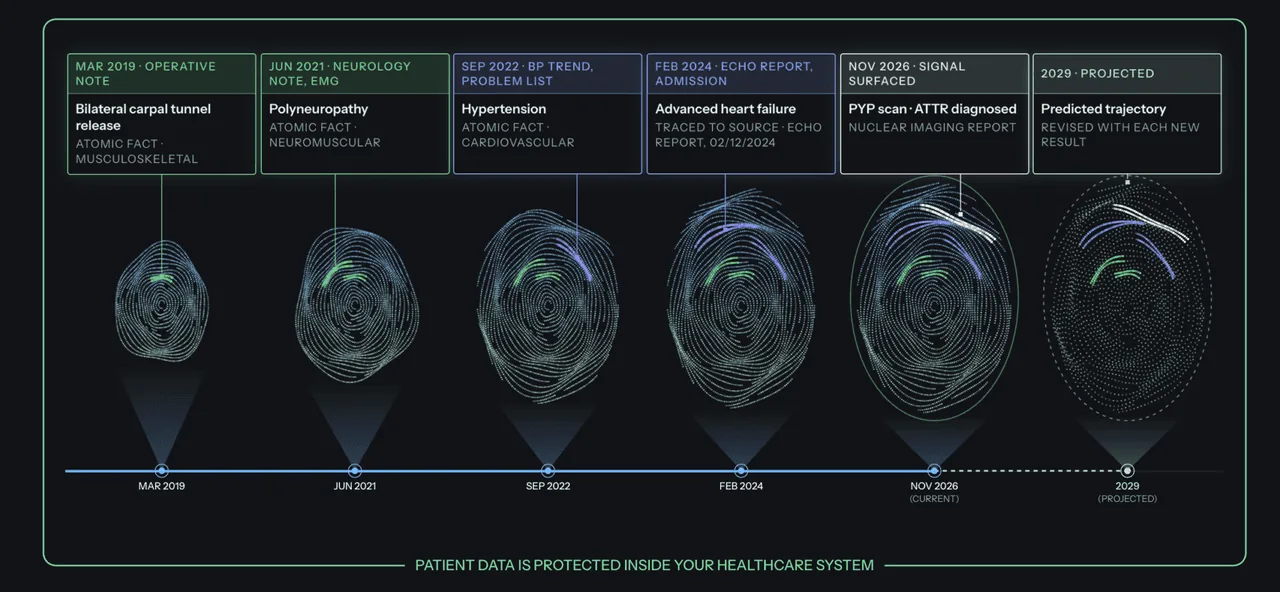
The automated chart review finished in days instead of years. Structured observations pulled from text revealed patterns that standard hospital databases often miss [4].


Predicting Valve Failure Timelines
Researchers used the extracted dataset to build a predictive machine learning model designed to forecast how implanted valves degrade and when patients face another procedure over three-, five-, and ten-year timelines. The model showed that the specific type of implanted valve was the strongest factor determining how rapidly tissue deteriorated over time. Meanwhile, patient age and co-existing medical conditions primarily shaped whether and when surgeons performed a second procedure. Surgeons can separate physical valve wear from general health risks that guide surgical decisions [3].
Follow-up ultrasound examinations helped refine those surgical predictions. Each new echocardiogram added to the chart updated the patient’s individual risk score, giving care teams an evolving assessment of valve health. Because the algorithm links each answer back to specific sentences in the patient’s record, clinicians can review the underlying evidence before deciding whether follow-up testing is necessary [1].
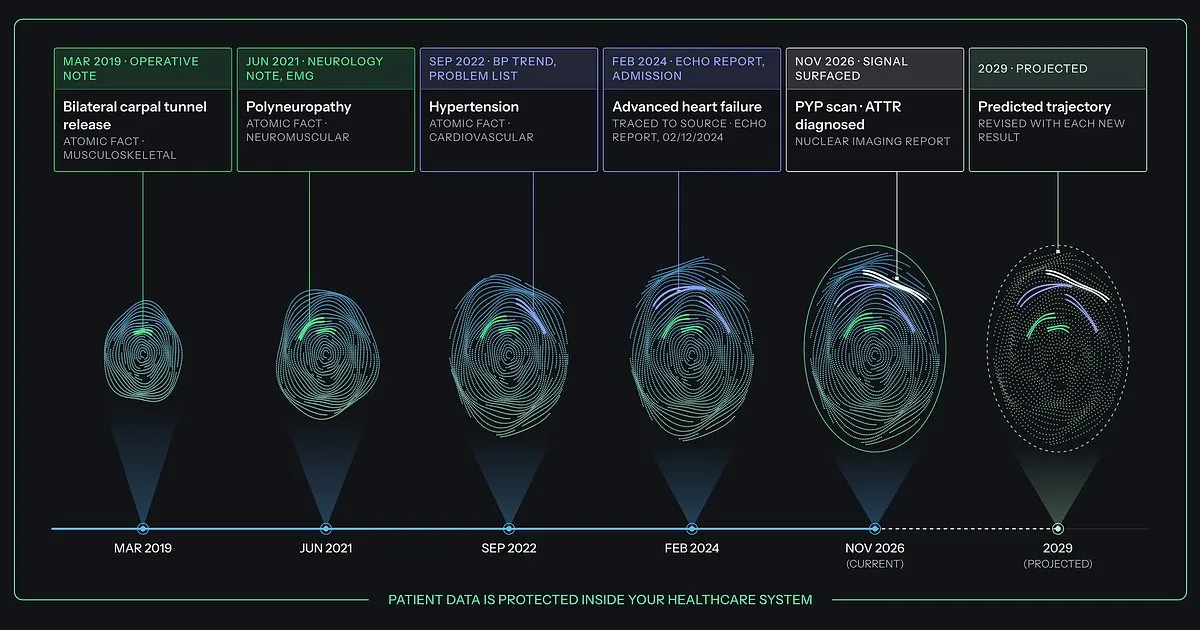
Although the study showed that neural models can assemble complex datasets and model future risks, Dyania Health stressed that the tool has not yet been shown to improve patient health outcomes. Hospital leaders noted that the predictive outputs require outside validation from independent clinicians before medical teams can rely on them for direct bedside care [6].
Nvidia Hardware with the Dyania Health Stack
The system relies on the full Nvidia AI Enterprise software stack running on local hospital hardware. Dyania Health trains its proprietary clinical models with the Nvidia NeMo framework, which supports model development and reinforcement learning. For onsite hospital tasks, the company optimizes its models using TensorRT and TensorRT-LLM so that heavy computations run efficiently on local GPU servers without stalling clinical IT systems [2].
The partners plan to expand deployments to health systems in the United States and abroad, as Fierce Healthcare reported following the announcement. As part of that roadmap, engineers are evaluating advanced features including Nvidia Confidential Computing to protect patient data during active memory processing, Dynamo for distributed inference, and Multi-Instance GPU partitioning to share computing power between multiple hospital departments. They are also looking at scaling onto upcoming Blackwell Ultra GPUs to shift batch hospital reviews into immediate bedside guidance. That technical progression could allow health systems to run continuous chart monitoring during daily inpatient care routines [5].
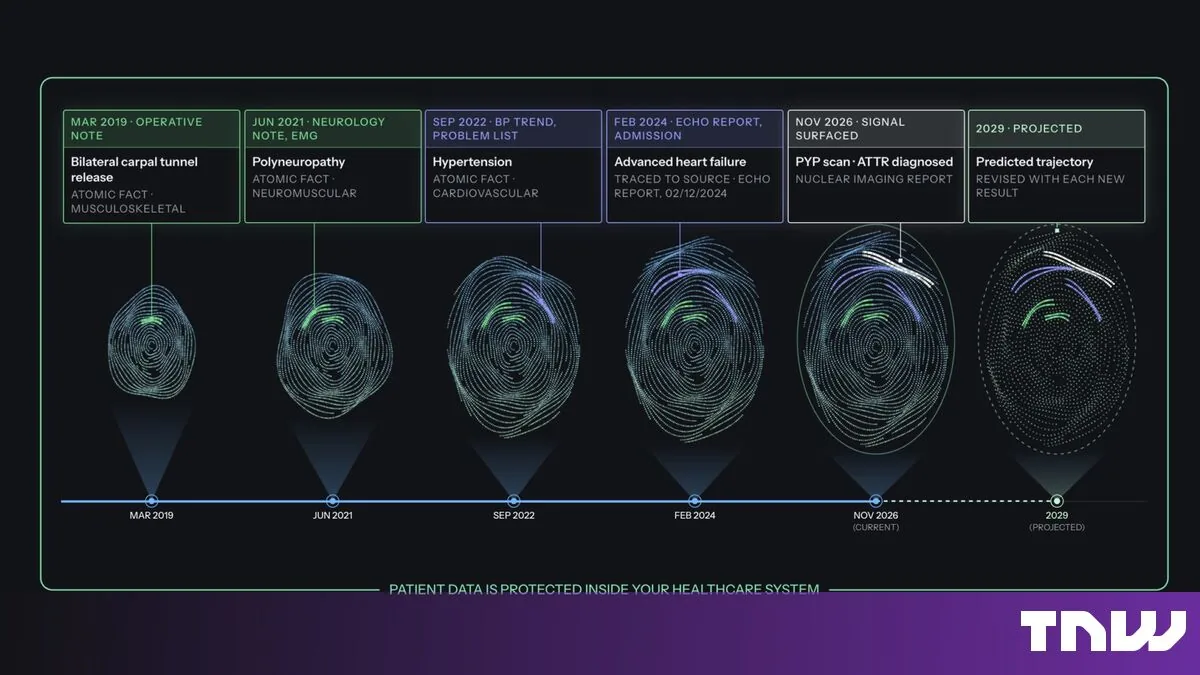
Hospital basements converted into high-compute facilities require substantial upfront capital. Server clusters carry steep hardware and cooling costs, so hospital chief financial officers must weigh those expenditures against the value of unlocking trapped clinical data. Cleveland Clinic, an early investor in Dyania Health, already tested that return when it rolled out Synapsis AI last year for clinical trial recruitment, where Synapsis AI found 29 out of 30 eligible cardiac candidates that standard screening had completely missed [7].
Bedside Insights and Doctor Skepticism
The partnership lands amid an intensifying race among major technology companies to capture healthcare workflows. Earlier this week, Google Cloud launched Gemini tools tailored for healthcare systems, while startup Bunkerhill raised $55 million to build specialized hospital AI agents. Parallel efforts in clinical monitoring, such as Dimer Health discovering unmet care needs in 23% of 680 hospital patients through post-discharge tracking, highlight how post-treatment surveillance is expanding across health IT. Yet health systems still face skepticism from doctors who demand clinical proof, mirroring concerns addressed by Google’s evaluation framework for health AI to verify clinical safety before tools guide patient care. Independent proof that automated reasoning improves actual care remains rare in modern medicine [1].
Beyond heart valve surgery, Dyania Health plans to apply its clinical models to spot missed care gaps in cardiology and oncology, match patients with clinical trials, and automate registry submissions. Chelsea Sumner, who leads Nvidia’s healthcare startup ecosystem, said the goal is to give care teams more time with patients by lifting the burden of manual chart review. If localized AI agents can reliably interpret free-text records behind hospital firewalls, electronic health records may finally shift from passive digital filing cabinets into proactive clinical assistants [3].
- ONLINE NEWS Constantin, A. M. (2026, November 13). Nvidia and Dyania bring AI chart review onto hospital servers. The Next Web. [Article Link]
- ONLINE NEWS Rowan, L. (2026, November 13). Dyania Health runs Synapsis AI on hospital-owned GPU systems. Unite.AI. [Article Link]
- PRESS RELEASE Dyania Health. (2026, November 13). Dyania Health brings clinical reasoning AI inside the hospital firewall to advance patient care with NVIDIA. PR Newswire. [Article Link]
- ONLINE NEWS Gate Global Tech. (2026, November 13). Dyania Health’s Synapsis AI turns patient records into clinical signals. Gate News. [Article Link]
- ONLINE NEWS Daily AI Brief. (2026, November 13). Dyania Health and Nvidia bring clinical reasoning AI inside hospital networks. Daily AI Brief. [Article Link]
- ONLINE NEWS Navi. (2026, November 14). Hospital AI reads 16 years of records, gains unproven. TheOutpost.ai. [Article Link]
- ONLINE NEWS Adams, M. (2026, November 13). The hospital as an AI supercomputer: Unlocking trapped EHR data. BriefGlance. [Article Link]


