




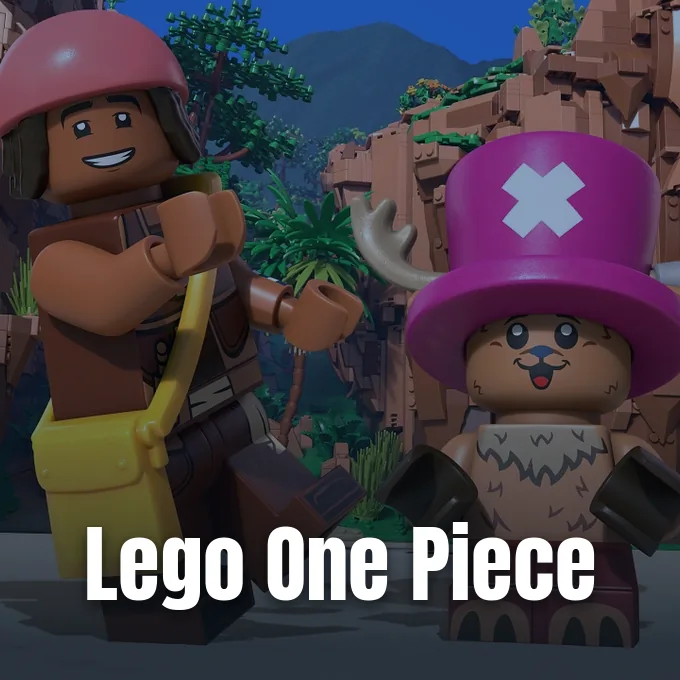
Netflix released Lego One Piece on September 29, 2026, offering a two-episode animated special that condenses two seasons of pirate adventures into a single hour [4]. It retells early anime storylines through comedic brick animation, using a framing device where the sniper Usopp narrates past voyages to the reindeer doctor Chopper on their ship. Original creator Eiichiro Oda served as executive producer, adapting material from both the long-running manga and the streaming service’s live-action adaptation [1].
Framing the Lego One Piece Story
The special structures its plot as a conversation between two crewmates sailing toward Alabasta before third-season events begin. Usopp uses this quiet journey to entertain Tony Tony Chopper with exaggerated stories about how Monkey D. Luffy gathered the Straw Hat Pirates [3]. Because the story flows through Usopp’s unreliable perspective, battles and meetings take on a silly tone that excuses creative departures from standard canon [1]. He tells Chopper that he liberated his coastal village from the Black Cat Pirates single-handedly, hiding how Luffy and Zoro stepped in to save Kaya [2].
Usopp’s tall tales keep the comedy brisk. Both 30-minute episodes move quickly without losing the narrative thread. Grant Jones wrote for Anime News Network that the setup weaves together narrative needs by letting Usopp spin wild stories as Chopper listens with wonder, noting that Lego One Piece works as “a Lego cartoon adaptation of a retelling of a live-action remake of an anime/manga”. That is far removed from Eiichiro Oda’s manga. Yet Jones said the framing keeps the story honest about its shortcuts, concluding that the breezy presentation lets the jokes land cleanly [1].
Tessa Smith wrote for Mama’s Geeky that the framing avoids the stiff feeling of standard clip shows. By setting the conversation aboard the ship during an unhurried voyage, the special fits neatly into established storylines. Viewers see the crew’s comedic dynamic without sitting through slow recaps [3].

Condensing Decades of Story
Covering the early arcs of the manga requires shrinking a massive amount of plot into sixty minutes. The first episode covers the East Blue saga, showing how Luffy recruits Zoro, Nami, Usopp, and Sanji before clashing with Buggy the Clown and the Arlong Pirates. The second episode follows the crew into the Grand Line, where they battle Baroque Works agents across three islands and vow to help Princess Vivi save Alabasta from Crocodile. Moving through those arcs so fast forces major cuts to character histories [2].
Suhayl Ahmed observed in The Daily Campus that condensing over 130 episodes of anime into a single hour removes the emotional backstories that define the Straw Hat crew. The special skips Zoro’s childhood bond with Kuina, whose death inspired his dream of becoming the greatest swordsman, and omits Sanji’s history with chef Zeff at Baratie along with Usopp’s village pranks. Ahmed said Nami asks for help four minutes into the Baratie storyline [2].
Cutting those backstories speeds up the pacing, but it softens character flaws. Sanji loses much of his womanizing behavior. The fights still deliver brisk physical gags, including Mihawk testing Zoro with a tiny knife and Arlong’s fishmen brawling to energetic trap beats. The comedy stays lighthearted throughout each battle [2].


Returning Voice Cast and Studios
Multiple animation and live-action companies built the animated world. Production credits on Metacritic list The LEGO Group, manga publisher Shueisha, Atomic Cartoons, Netflix Animation Studios, and Tomorrow Studios. Tomorrow Studios previously produced the 2023 live-action series for Netflix, and Atomic Cartoons supplied the digital brick animation that mimics stop-motion movement [5]. Netflix avoided hiring a separate voice cast for the animated project, bringing back the main actors from the live-action series to voice their Lego One Piece minifigures. This continuity gives the special an instant vocal connection to the live-action adaptation. Producer Tom Hyndman helped guide the transition so that live-action performers could adapt their timing to the brisk rhythms of plastic minifigures [3].
Iñaki Godoy stars as Monkey D. Luffy. He brings lively comedic energy to the plastic pirate captain, joined by Mackenyu as Roronoa Zoro, Emily Rudd as Nami, Jacob Romero Gibson as Usopp, and Taz Skylar as Sanji. Supporting cast members also reprised their roles from the live-action run. Jeff Ward returned to voice Buggy the Clown, and Len-Barry Simons voiced the fishman Chew during the Arlong Park conflict. Executive producer Tom Hyndman worked with the voice cast to lean into the heightened physical comedy of the Lego medium [3].
Smith said the returning cast members understand their roles thoroughly and sound comfortable bouncing comedic timing off one another. The performances ground the visual absurdity of plastic toys sailing through stormy oceans. Their vocal chemistry remains one of the strongest elements [3].

Critical Reception and Reviews
Reviews for the animated Lego One Piece special varied depending on what critics expected from an hour-long adaptation. Grant Jones gave it an overall grade of B+ on Anime News Network, with an A- for the English dub, B for story and animation, and B- for music. Jones praised the framing device for onboarding newcomers without bogging down existing fans. But he said the animation felt like standard Lego fare that rarely stood out from earlier franchise projects [1].
At The Daily Campus, Suhayl Ahmed gave the special a rating of 3.5 out of 5 stars. Ahmed felt the rapid summary could not replace the depth of the original manga or the anime series. Still, he called it a welcome return to early, low-stakes pirate antics as Eiichiro Oda’s main manga storyline moves through its serious final saga. The special lets older fans enjoy simple jokes with familiar characters [2].
Tessa Smith gave the special a 10 out of 10 on Mama’s Geeky. She called the combination of Eiichiro Oda’s pirate world and plastic brick comedy an ideal match that highlights physical gags without losing the spirit of adventure [3]. Rotten Tomatoes classified the TV-Y7 title as a limited series [4]. Early user ratings on Metacritic sat at 100 percent positive across initial audience submissions, though publication metascores had not yet registered on the platform [5].
Why Lego One Piece Appeals to New Viewers
The condensed format targets newcomers intimidated by the franchise’s size. Since its debut in 1999, the television anime One Piece has produced over 1,200 episodes spanning roughly 500 hours of viewing time. For beginners intimidated by that barrier, the sixty-minute animated special offers a gentle entry point into early characters and settings. It gives curious viewers a quick taste of the Straw Hats’ journey before Netflix rolls out its third live-action season covering the Alabasta arc in early 2027 [2].
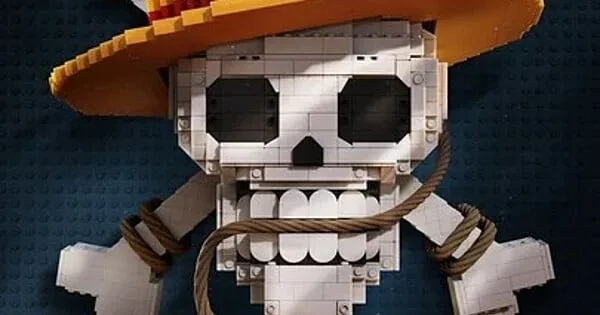
Some longtime fans questioned whether the special functions primarily as a toy commercial. Ahmed said online discussions linked the episodes to new building sets, including a brick model of the pirate ship Jolly Roger [2]. The company has expanded its anime sets beyond pirates, recently preparing a Lego Dragon Ball set with Shenron and Goku for retail shelves. Fans of both franchises now see building sets paired with animated specials.
Even with its trimmed storylines and goofy tone, Lego One Piece provides an accessible hour of pirate entertainment where longtime followers revisit East Blue memories with the live-action cast and casual viewers get a quick introduction to the crew [3]. The two episodes succeed as a lightweight tribute to a manga that continues to shape global anime culture [2]. It works on its own terms [1].
- ONLINE NEWS Jones, G. (2026, November 1). Lego One Piece animation review. Anime News Network. [Article Link]
- ONLINE NEWS Ahmed, S. (2026, October 1). Going piece by piece: A review of LEGO One Piece. The Daily Campus. [Article Link]
- WEBSITE Smith, T. (2026, September 29). LEGO ONE PIECE is a brilliant addition to both franchises. Mama’s Geeky. [Article Link]
- WEBSITE Rotten Tomatoes. (2026, September 29). Lego One Piece: Limited series. [Article Link]
- WEBSITE Metacritic. (2026, September 29). Lego One Piece season 1. [Article Link]


