





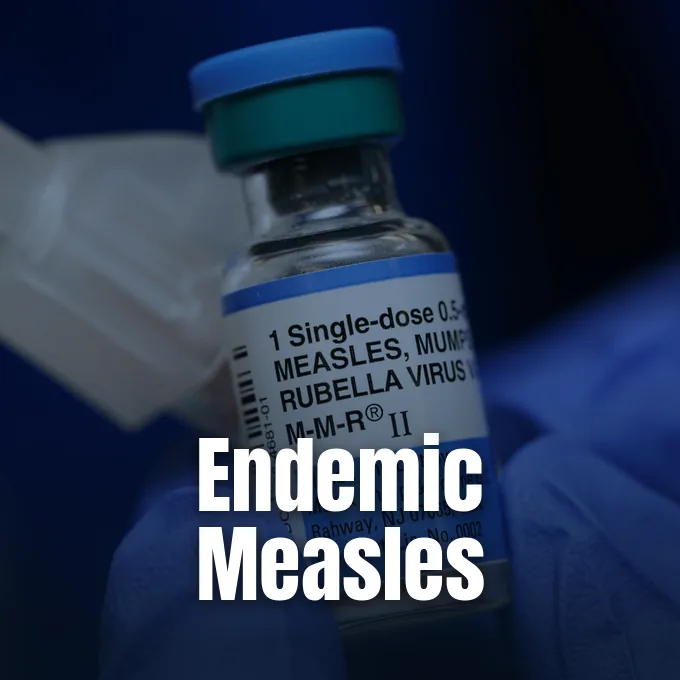
Federal health officials confirmed that measles cases reached 5,412 in several states by late October 2026, leading the Pan American Health Organization to revoke the disease elimination status that the nation maintained since 2000. The resurgence followed a decade of gradually slipping pediatric vaccination numbers that dropped below protective community thresholds in numerous school districts. Transmission shifted from isolated travel-related introductions into sustained local spread within unprotected communities. Health authorities now classify the virus as an endemic infection within the United States [1].
Surge in Measles Cases
The numbers climbed swiftly after years of low viral activity, according to reports in The Harvard Gazette. Laboratory tracking documented a tenfold rise between 2024 and 2025, when national infections jumped from modest baseline figures to 2,289 confirmed reports. Transmission expanded even faster during 2026, pushing the cumulative caseload past 5,412 before November [1].
Weekly surveillance data from the Centers for Disease Control and Prevention revealed ten separate weeks in 2026 where new infections topped 200 individuals. That weekly volume exceeded the entire annual infection tally recorded in 23 of the previous 30 years [1]. Ten patients died from complications during the wave, including young infants who had not yet reached the age required for routine vaccine protection [2]. The sharp increase in measles cases echoed earlier clinical crises seen during the New York measles outbreak, which produced the state’s first measles fatality in 30 years.
Pediatric clinicians who began their careers decades ago recall how swiftly vaccines can transform public health realities when communities embrace immunization. Dr. Rick Malley, an infectious disease specialist at Boston Children’s Hospital and professor of pediatrics at Harvard Medical School, started his pediatric internship in 1990. During that training year, he routinely treated children who suffered from bacterial meningitis or systemic infections caused by Haemophilus influenzae type B. The dangerous bacterium virtually vanished from pediatric wards within twelve months after medical authorities introduced a preventive vaccine into standard childhood schedules. Malley noted that watching an entire disease disappear convinced a generation of young physicians that immunization constitutes the most dependable medical shield against contagious pathogens [1].
Transmission Dynamics
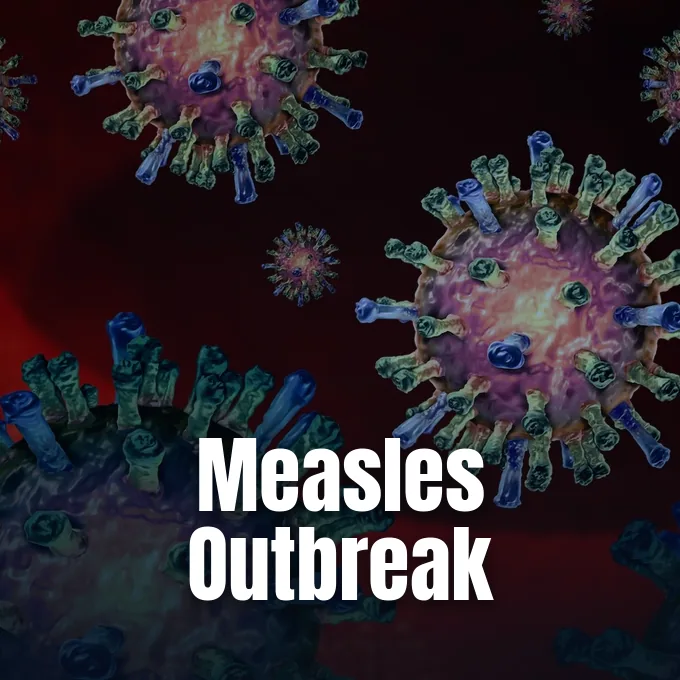
Measles spreads through microscopic respiratory droplets that linger suspended in indoor air long after an infected person leaves an enclosed room, making it one of the most contagious pathogens known to medicine. Each infected patient typically transmits the virus to between 12 and 18 susceptible people, generating an infection rate that easily outpaces respiratory illnesses such as COVID. Because the virus moves efficiently through routine social interactions in classrooms and clinic waiting rooms, tiny pockets of unvaccinated children allow clusters to multiply before public health teams can intervene. A single infected traveler can ignite dozens of secondary infections within days. Clinicians stress that general hygiene measures cannot halt transmission once viral exposure occurs in an unimmunized population [1].
The Pan American Health Organization sets specific technical standards for evaluating whether a country maintains disease elimination. Elimination requires demonstrating that no endemic chains of transmission have persisted within a nation for twelve consecutive months. When imported infections establish ongoing local transmission that lasts longer than a year, international health bodies must revoke elimination certification [1].

Halting transmission requires maintaining exceptionally high vaccination coverage among young children. Epidemiologists calculate that communities need between 92 and 93 percent coverage to establish herd immunity and protect infants who are too young for their first MMR dose. When local coverage falls below that protective barrier, the virus circulates freely from person to person. Even minor drops in local uptake can leave entire school districts exposed to recurring outbreaks [1].
Vaccination Rates Fall Below Target
Falling vaccination rates reflect a combination of active vaccine refusal and growing parental hesitancy. Malley observed this shift while evaluating families at the Boston Children’s Hospital Travel Medicine Clinic. While tracking local measles cases, pediatricians noticed that many hesitant caregivers simply feel overwhelmed by conflicting claims found on social media platforms. These parents want safety for their children but struggle to separate reliable medical data from misinformation [1].
Addressing parental hesitation requires clinicians to offer clear, evidence-based comparisons regarding real health risks. Malley explained that decades of clinical observation demonstrate the safety and effectiveness of the standard measles, mumps, and rubella (MMR) vaccine. “We have safe and effective vaccines, and we know that if you start getting 92, 93 percent coverage, you will stop this disease in its tracks,” Malley said. He emphasized that the tangible risks of severe neurological injury, pneumonia, or death from natural measles far exceed the rare, mild side effects linked to immunization shots [1]. Clear conversations help parents evaluate medical evidence without fear.
The resurgence of preventable infections has changed daily outpatient pediatric practice. Physicians now dedicate extra consultation time to addressing safety questions and explaining vaccine schedules to anxious parents. Clinicians must also instruct younger resident doctors and nurse practitioners on how to identify classic measles rashes and fever patterns that had not appeared in American hospitals for decades [1]. Restoring parental confidence has become a standard clinical responsibility.
Why Elimination Status Ended
The formal decision by international monitors followed months of warnings from infectious disease researchers. Earlier public health analyses regarding the measles elimination status in the United States had outlined the growing vulnerability of under-vaccinated communities. When continuous community spread persisted past the twelve-month cutoff in several states, the Pan American Health Organization concluded that the country could no longer claim elimination [2]. The ruling terminated a public health benchmark achieved in 2000, confirming that the virus had reestablished domestic circulation [1].
Public health researchers argued that the failure stemmed from administrative missteps and delayed federal responses rather than an unpreventable biological phenomenon. Dr. William Moss, an epidemiologist at the Johns Hopkins Bloomberg School of Public Health who has studied measles epidemiology for over 25 years, linked the outbreak to federal inaction, as documented in The Atlantic. “I don’t think it’s an accident that this is happening under the current administration,” Moss said, pointing out that government health agencies failed to coordinate rapid containment measures when clusters first emerged. He explained that failing to mobilize field teams early allowed localized school outbreaks to spill over into surrounding counties and adjacent states [2]. Delayed intervention turned manageable community exposures into a national health crisis.
Federal agencies also faced scrutiny over suppressed health advisories and delayed warnings. Staff at the Centers for Disease Control and Prevention reported that senior political leadership constrained official outbreak messaging. An alert drafted by career scientists regarding the medical dangers of measles during pregnancy was withheld from distribution for unexplained reasons. At the same time, anti-vaccine groups falsely argued that catching natural measles strengthens a child’s immune system [2].
Political Scrutiny in Washington
The loss of elimination status provoked immediate political controversy over federal health leadership. Health Secretary Robert F. Kennedy Jr. faced widespread criticism for promoting vaccine skepticism and weakening public health initiatives. Kayla Hancock, director of the Public Health Project at advocacy group Protect Our Care, argued that official rhetoric damaged parental confidence in routine childhood immunizations. “Measles shouldn’t be back, but it is with a vengeance thanks to this administration,” Hancock said while reviewing the resurgence [2].
Lawmakers on Capitol Hill expressed alarm over the rollback of hard-won disease protections. Senator Patty Murray criticized federal health officials for accusing state health departments of exaggerating outbreaks and questioning verified mortality counts while ten fatalities occurred. Senator Bernie Sanders, incoming chair of the Senate Health, Education, Labor, and Pensions (HELP) Committee, noted that the nation officially lost its disease-free status after 26 years of progress. Kentucky Governor Andy Beshear described the public health setback as 100 percent avoidable, insisting that responsible leadership requires defending proven vaccines without ambiguity [2]. Bipartisan frustration mounted as lawmakers called for formal oversight hearings to examine administrative failures.
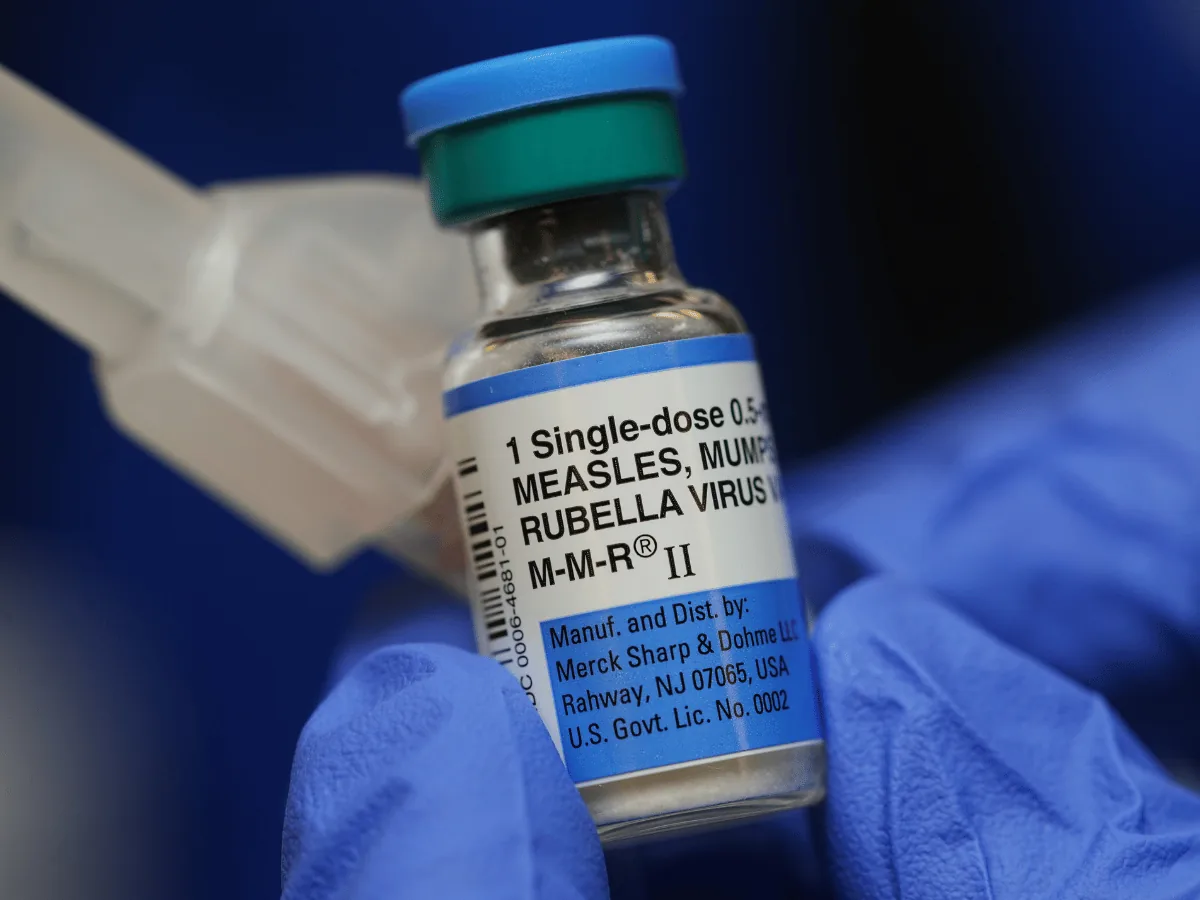
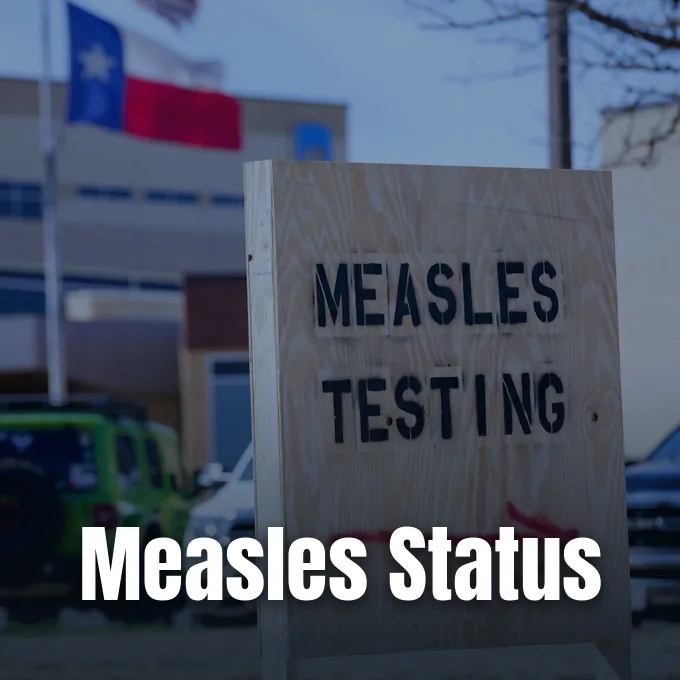
Physicians serving in Congress delivered sharp critiques based on their clinical experience. Representative Kim Schrier, a pediatrician, warned that eroding immunization coverage leaves vulnerable children exposed to preventable disease. In South Carolina, Senator-elect Annie Andrews highlighted the local fallout, noting that clinicians documented nearly 1,000 infections in Spartanburg County alone while tracking measles cases. Andrews explained that vaccine refusal inevitably translates into hospital admissions and preventable childhood suffering [2].
Reversing Measles Cases Through Immunization
Healthcare worker unions and professional medical societies insist that halting new measles cases requires accountable leadership and clear scientific communication. “The return of measles to the United States is an entirely preventable public health failure that endangers our most vulnerable patients,” said Jamie Brown, president of National Nurses United. Dr. Georges C. Benjamin, executive director of the American Public Health Association, called for leadership that actively champions childhood immunization rather than sowing doubt. Both organizations emphasized that public health guidelines must reflect established medical evidence to protect community well-being [2].
Reversing the resurgence also requires rebuilding trust between families and their neighborhood pediatricians. Dr. Malley argued that lecturing hesitant parents often deepens skepticism, whereas calm conversations allow families to discuss fears without feeling judged. Pediatricians must take time to explain that vaccine side effects remain exceptionally rare compared to the documented dangers of natural measles infection. When clinics provide patient, evidence-based guidance, many hesitant caregivers agree to immunize their children [1].
Regaining elimination status will require persistent effort over multiple years rather than a quick administrative fix. Because international health guidelines require twelve consecutive months without domestic transmission, a single cluster can reset the recovery clock. Health departments must raise childhood MMR coverage back above the 92 percent threshold to close dangerous immunity gaps in schools and daycares. Only consistent community immunization will halt viral spread, preventing future measles cases and restoring the protection that families relied upon for decades [1].
- ONLINE NEWS Powell, A. (2026, November 23). It’s official: For the first time in decades, U.S. is sick with measles. The Harvard Gazette. [Article Link]
- WEBSITE Ashoup. (2026, November 18). ROUNDUP: RFK Jr skewered over ‘shameful’ U.S. loss of measles elimination status. Protect Our Care. [Article Link]
APA 7: PerEXP Teamworks. (2026, November 24). Measles Cases in United States Trigger Loss of Elimination Status. PerEXP Teamworks. https://perexpteamworks.com/en/measles-cases-united-states-elimination/


