




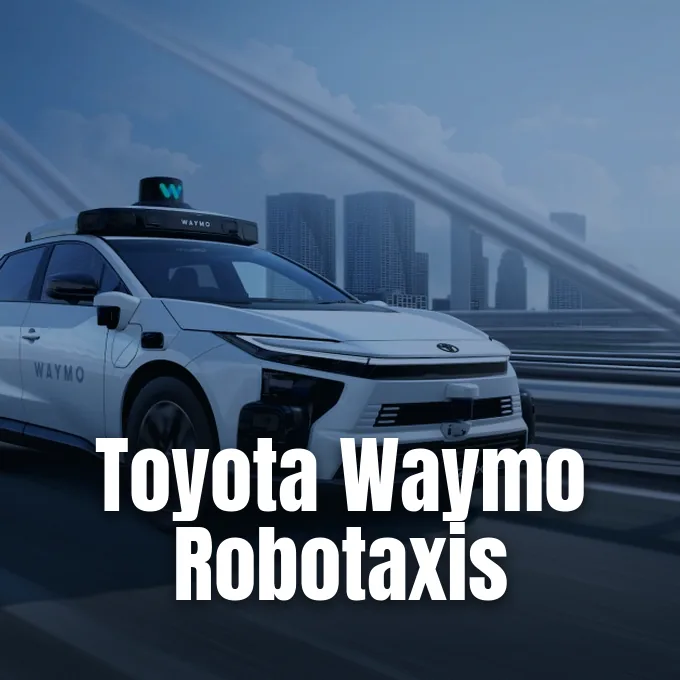
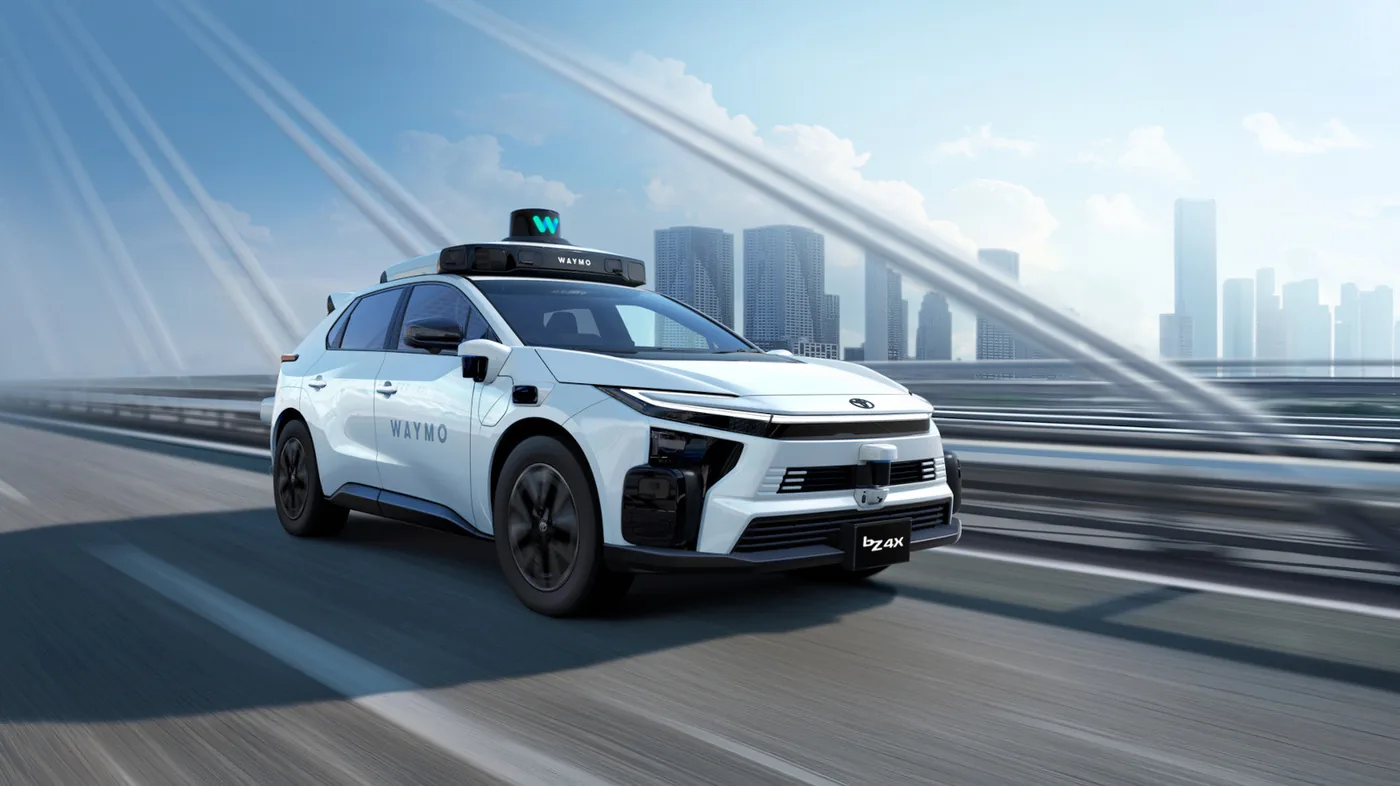
Waymo and Toyota announced an agreement on Friday to build custom electric sport utility vehicles for autonomous ride-hailing fleets. Under the arrangement, Toyota will manufacture the Toyota bZ4X robotaxi with autonomous driving hardware installed right on the assembly line at its factory in Japan. On-road testing is scheduled to begin in Japan in 2027, with plans to send the right-hand-drive vehicles to the UK and other international markets in later years. Known as the Toyota bZ in the North American market, the electric vehicle gives Waymo a high-volume base car to grow its driverless passenger services outside the United States. The partnership turns an early agreement signed eighteen months ago into a firm vehicle production program [1, 3].
Assembly of the Toyota bZ4X Robotaxi
Toyota will produce the autonomous vehicles at its Takaoka plant in Toyota City, located in Aichi Prefecture. Rather than assembling standard consumer cars and shipping them elsewhere for conversion, workers will fit the Waymo Driver hardware and sensor packages straight onto the vehicles during factory production [1, 3].
The vehicle uses the e-TNGA electric platform that Toyota developed in partnership with Subaru [2]. For the autonomous passenger role, Toyota modified the cabin layout to give riders extra rear legroom, automatic passenger doors, a power liftgate, and soft ambient lighting. Neither company disclosed sensor specifications, planned manufacturing volumes, or the per-unit price tag of the finished autonomous sport utility vehicle. Factory-level integration helps avoid the delays of third-party vehicle retrofits. Building the self-driving technology directly into the car gives Waymo a more predictable supply line as it works to satisfy rising passenger demand in dense urban markets. It also ensures that every vehicle leaves the plant ready for fleet deployment [1].
Waymo co-CEO Dmitri Dolgov said that “Toyota’s commitment to zero traffic accidents resonates deeply with us at Waymo.” [1] The two companies said in a joint statement that combining Toyota’s manufacturing expertise with Waymo’s self-driving technology will speed up the rollout of safety-validated Level 4 autonomous vehicles globally [2]. The arrangement allows Waymo to add the Toyota bZ4X robotaxi without having to set up its own automotive factories [1].
Testing Plans in Japan
Validation runs for the autonomous Toyota bZ4X robotaxi test fleet are scheduled to begin on Japanese roads in 2027 [1, 2]. The timing matches Waymo’s wider goals for the country, where it is targeting driverless passenger rides in Tokyo in 2027 with Nihon Kotsu and the GO ride app, aiming to scale to roughly 100 vehicles once regulators approve the service. Local testing will verify how the sensors and software respond to dense urban traffic patterns, narrow residential alleys, and varied local weather conditions. Japanese street layouts present unique challenges for autonomous navigation systems. Operating with experienced local taxi partners provides the engineering team with valuable insight into regional driving habits and pedestrian flows [1].
Waymo first started testing autonomous vehicles in Japan in 2025 using electric Jaguar I-Pace cars. To train its driving software on local street layouts, the company hired professional taxi drivers from Nihon Kotsu Co. to navigate the Japanese capital manually. Those early mapping runs gave engineers valuable data about Tokyo street traffic [2].
After validating the fleet in Japan, the partners plan to deploy the right-hand-drive vehicles into the UK [1, 3]. Waymo has spent months testing its autonomous Jaguar I-Pace cars on the streets of London. The company intends to open public ride services in London as soon as British regulators grant the necessary permits. Navigating London’s complex roundabouts and dense traffic requires extensive on-road validation. Using the same right-hand-drive bZ4X platform across Japan and the UK allows Waymo to streamline vehicle maintenance, parts sourcing, and fleet support in both international markets. Both countries drive on the left side of the road, simplifying international fleet deployment [1, 3].

Fleet Expansion Beyond the US
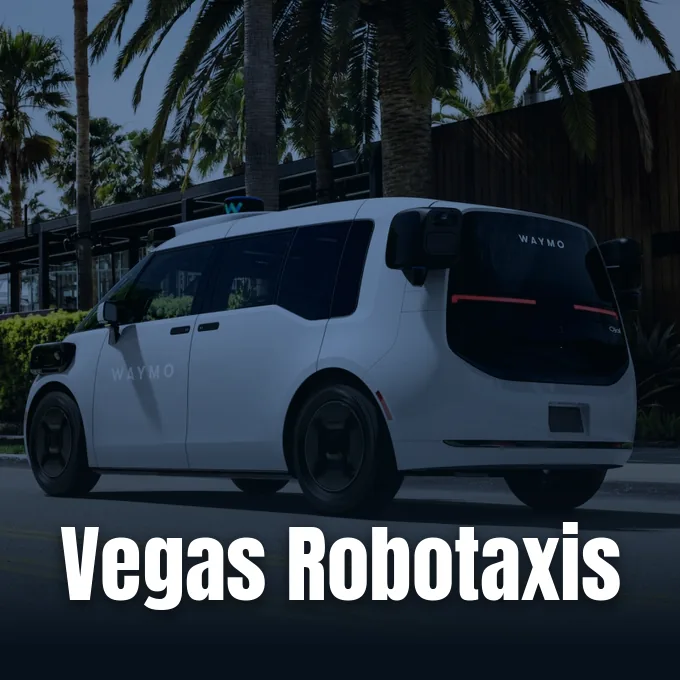
In the United States, Waymo has grown its business to provide over 500,000 paid rides each week in 15 metropolitan areas. That expansion followed earlier service rollouts, including when the Waymo robotaxi service opened in Las Vegas. Even with that steady passenger growth, finding enough vehicles is still the company’s biggest growth bottleneck. Signing major automotive partners gives the company the manufacturing capacity it needs to enter new territories [1].
For several years, the autonomous fleet depended on the all-electric Jaguar I-Pace, a luxury model that Jaguar has stopped producing. To secure future supply, Waymo partnered with other automakers, adding the Zeekr-built Ojai minivan and the Hyundai Ioniq 5 to its roster. Hyundai is also in talks to deliver up to 50,000 Ioniq 5 electric vehicles for autonomous ride operations by 2028. Adding multiple automotive manufacturing partners ensures that Waymo is never dependent on a single car factory or supplier. Each vehicle platform brings distinct advantages, from the passenger-friendly cabin of the Ojai minivan to the proven highway efficiency of the Ioniq 5 [1].

The new bZ4X becomes the fourth vehicle platform to join Waymo’s self-driving lineup. Waymo also selected Toronto as its first Canadian market, aiming to begin passenger rides there in 2028. In the United States, Toyota sells the base consumer model simply as the Toyota bZ with a starting price of $34,900, giving fleet operators a relatively low-cost platform for high-volume expansion [1].
Why Waymo Needs the Toyota bZ4X Robotaxi
Waymo’s choice to work with legacy automakers contrasts sharply with the hardware approach taken by Tesla. While Tesla plans to build a custom two-seat Cybercab in its own factories without a steering wheel or pedals, Waymo installs its self-driving system into existing production electric vehicles. Relying on established automotive suppliers lets Waymo expand city by city without bearing the massive capital expense of building and running car factories. Tesla must validate both a brand-new vehicle design and an unproven self-driving architecture before carrying passengers. By contrast, Waymo integrates its autonomous software into safety-tested vehicles built by proven automotive leaders [1].
Partnering with Toyota provides access to the manufacturing power of the world’s top-selling automaker. Although Toyota recalled the first batch of the bZ4X in 2022 because of issues with loose wheel hub bolts, the electric sport utility vehicle has since proven itself as a dependable workhorse. For autonomous fleets, vehicle durability matters far more than flashy styling [1].
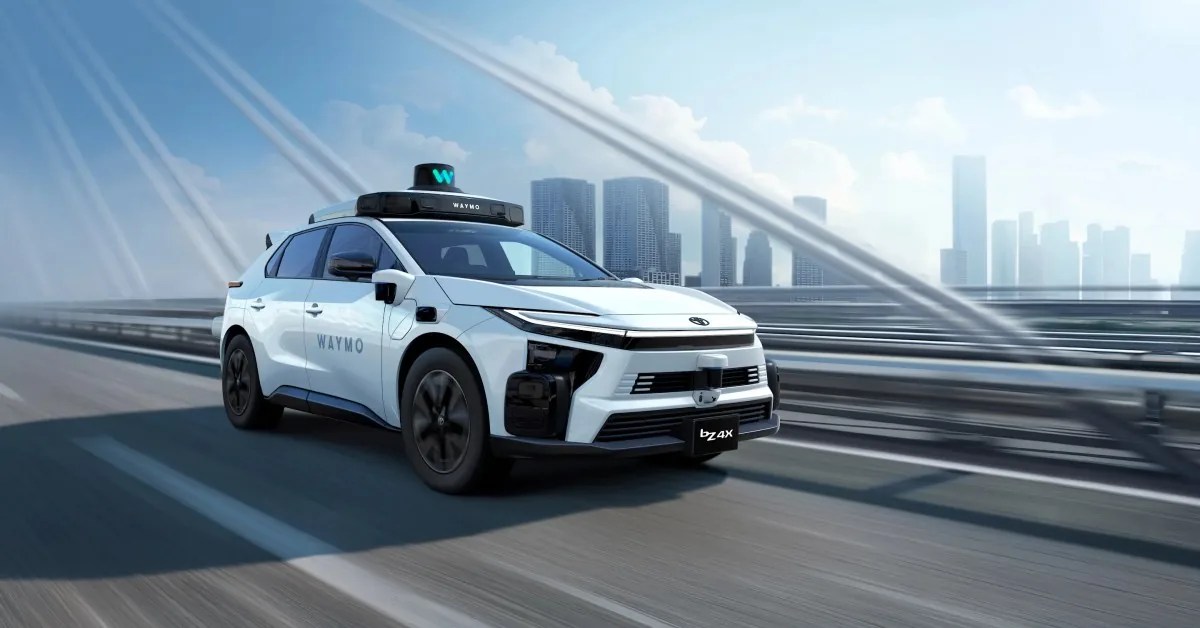
The sport utility vehicle already has a proven history in autonomous taxi services. Earlier this year in China, Toyota teamed up with autonomous driving startup Pony.ai to begin mass-producing robotaxis based on the bZ4X. That real-world manufacturing experience gives Toyota an established engineering foundation for building self-driving electric vehicles at scale. Adding the Toyota bZ4X robotaxi allows Waymo to deploy vehicles specifically built for right-hand-drive roads. It also gives the autonomous vehicle company a trusted brand name that Japanese and British passengers recognize on local city streets. Passenger comfort is an important factor when introducing driverless rides to new international markets [1].
Future Personal Vehicle Projects
The scope of the partnership goes beyond shared passenger fleets. Both companies said they will keep researching ways to bring Waymo’s self-driving software to personally owned Toyota cars in the future. While neither company shared a firm timeline for consumer sales, putting autonomous technology into private vehicles could reshape how everyday motorists travel [1, 3].
The companies also plan to work together on safety initiatives with Woven by Toyota, the carmaker’s advanced software subsidiary [1]. Hiroki Nakajima, executive vice president and board member at Toyota, said: “This collaboration will help scale that technology and bring it to customers in Japan and beyond through Waymo’s ride-hailing service, and in parallel, Toyota will continue to explore how integrating vehicles with traffic infrastructure can make those roads safer still.” Connecting vehicles with roadside sensors and traffic management networks could help prevent collisions at busy intersections. By sharing real-world driving data from Waymo’s passenger fleets, both organizations hope to improve safety standards for all road users [3].
When Toyota and Waymo first announced their partnership in April 2025, the agreement was exploratory and contained no vehicle commitments. Eighteen months later, that vague pact has turned into a practical vehicle supply deal that solves immediate fleet needs. By combining Japanese automotive production with autonomous software, both firms are taking measured steps toward safer automated roads [1, 2, 3].
- ONLINE NEWS Lambert, F. (2026, October 30). Waymo picks Toyota bZ4X as its next robotaxi, starting in Japan in 2027. Electrek. [Article Link]
- ONLINE NEWS Moon, M. (2026, October 30). Waymo and Toyota will soon start testing their robotaxis in Japan. Engadget. [Article Link]
- ONLINE NEWS Korosec, K. (2026, October 30). Waymo taps Toyota to supply robotaxis for Japan and the UK. TechCrunch. [Article Link]


