





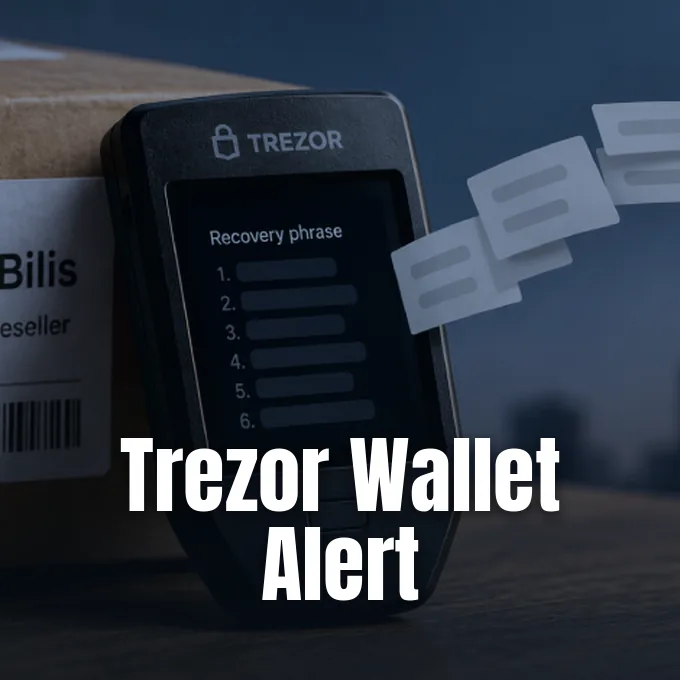
Hardware wallet manufacturer Trezor warned customers on October 30, 2026, about a suspected theft implant found inside a Trezor Safe 5 sold in Southeast Asia. A customer in Indonesia discovered an unauthorized circuit board inside the unit after ordering it from reseller CryptoBilis through the marketplace Tokopedia. Trezor verified the account. While Trezor hasn’t yet examined the physical device in its lab, the company urged owners to move digital assets to secure wallets before attackers can access private keys [1].
Investigating the Trezor Safe 5 Incident
The security issue surfaced two days before the public notice when an Indonesian customer contacted Trezor Support with detailed photographs. In a blog post published on October 30, Trezor explained that the buyer in Indonesia had purchased the Trezor Safe 5 in August 2026 through the online marketplace Tokopedia from CryptoBilis. He opened the plastic case. Inside the casing, the buyer spotted an extra circuit board placed between the display screen and the main circuit board, prompting Trezor to interview the buyer over a video call to review hardware layout evidence [2].
The buyer noticed a slight weight difference before checking inside. Trezor cautioned that weighing devices isn’t a reliable test because ordinary manufacturing tolerances cause minor variations in total weight between production batches. Trezor told buyers not to pry open devices [1].
Trezor is arranging shipping so engineers can inspect the unit in its lab, but executives decided not to wait before alerting the public. Company leaders said that “Waiting for lab confirmation would leave CryptoBilis buyers exposed in the meantime,” as reported by The Hacker News. The Indonesian buyer told Trezor that he had already moved his digital assets off the device before opening the casing, and no CryptoBilis customer has reported lost funds to Trezor. Trezor explained that it can’t see what customers hold in their wallets, but it issued the prompt alert so owners can protect their holdings before attackers strike, and Trezor promised to share updates once the shipment reaches its testing facility [2].
How the Rogue Board Operates
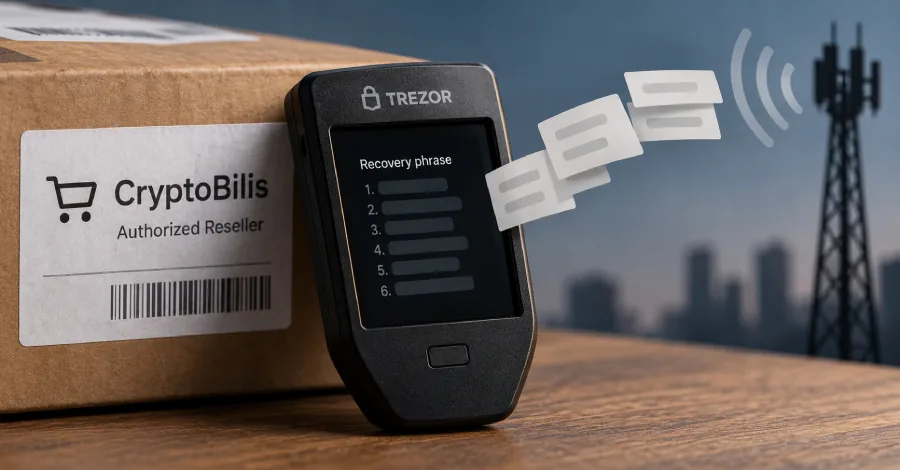
The extra board found inside the wallet features a cellular module and an antenna wired near the display screen. The rogue board draws power from USB. Based on photos from the Indonesian buyer, the rogue hardware stays dormant until someone connects the Trezor device to a computer or wall charger to supply electric current [1].
The implant reads information displayed during wallet setup. According to reporting from BleepingComputer on the customer report, this screen data includes the recovery phrase (wallet backup), granting full access to stored crypto funds. When a user generates or checks those seed words during setup, the cellular transmitter can send the secret phrase over mobile networks to a remote server without alerting the user, exposing every private key associated with the Trezor unit to potential theft [1].
Firmware checks can’t detect the rogue board. Because hardware wallets don’t share private keys with desktop operating systems, attackers placed the extra chip behind the screen to capture confidential seed words visually. If an attacker intercepts that backup phrase, they can clone the wallet from anywhere in the world and take all stored assets without needing the physical Trezor device [2].
The Link to Earlier Ledger Attacks
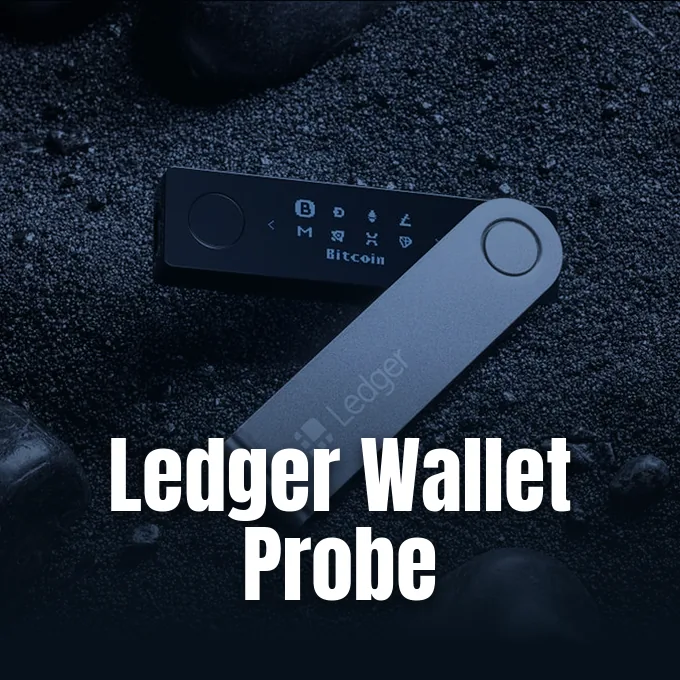
The reported design looks very similar to rogue hardware modifications discovered in competing wallets earlier in October 2026. Reseller CryptoBilis sold the tampered Trezor unit to the Indonesian buyer through Tokopedia, and the same distributor was previously tied to compromised Ledger wallets in Southeast Asia. In that earlier Ledger incident, buyers found unauthorized hardware modules built to capture recovery phrases during initial setup [1].
Ledger acknowledged device compromises and instructed regional distribution partners in Hong Kong and Southeast Asia to stop selling hardware while security teams reviewed inventory. That response followed reports from Ledger customers who lost crypto assets, prompting an investigation into Ledger supply chain compromises in regional merchant channels. In a Separate Police Advisory issued on October 28, the Singapore Police Force stated that Ledger wallets bought from retail shops in Singapore contained malicious hardware components. Singapore police noted at least two cases reported since September 10 where unauthorized chips captured user recovery phrases or private keys. Singapore authorities added another $3,500,000 in stolen funds to the total losses linked to tampered hardware wallets, while police investigations and case reviews by Ledger continue [1].
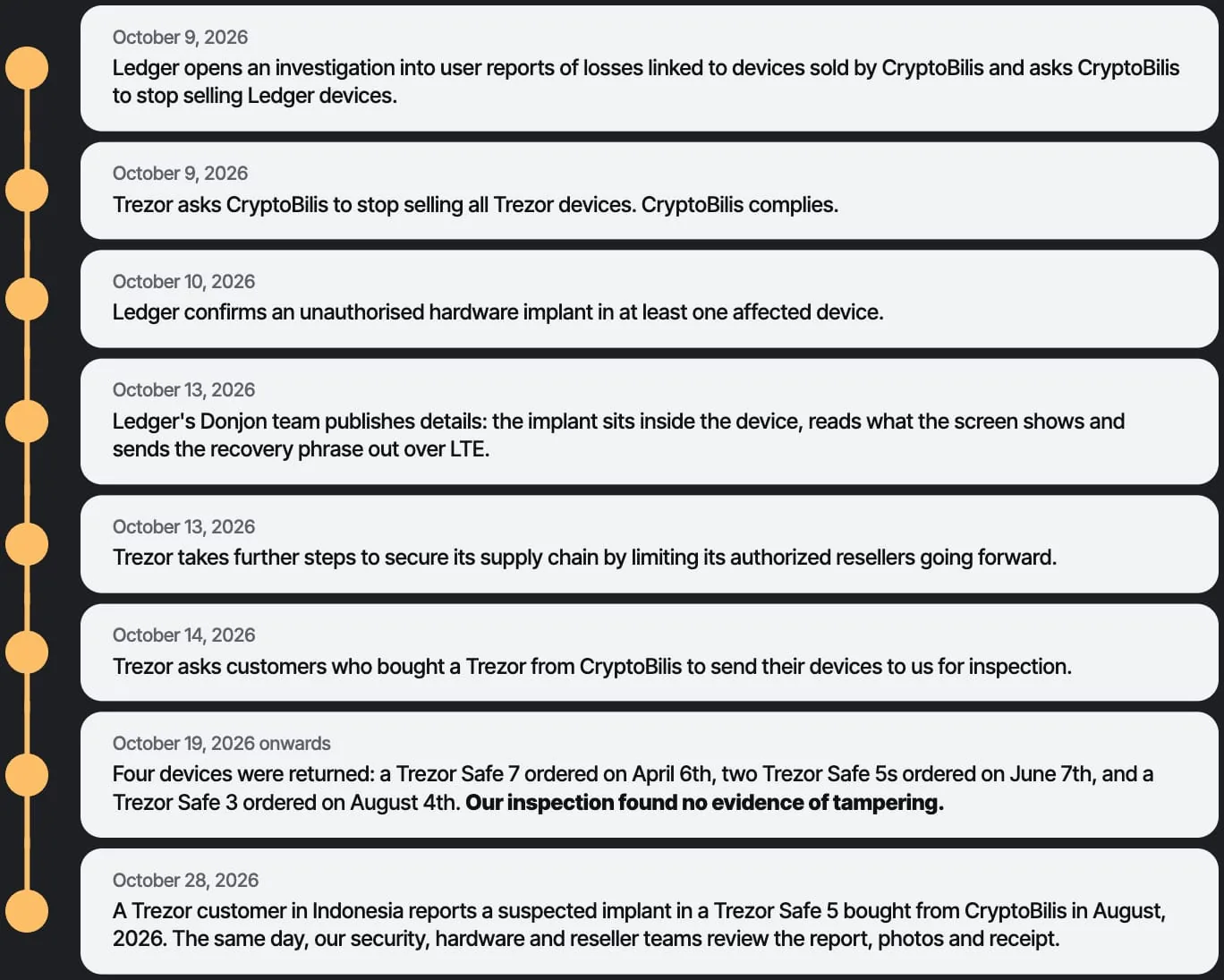
Trezor acted before receiving reports about its own devices by ending sales through CryptoBilis on October 9, 2026. Trezor stated that while the boards reported in the two devices look similar in form and function, it won’t compare them directly while inquiries continue because Trezor and Ledger build and assemble hardware differently. Trezor said it doesn’t know who is responsible for building or installing the rogue boards [2].
Trezor Advice for CryptoBilis Customers
Trezor published guidance covering every wallet model bought from CryptoBilis or stores supplied by the reseller (including Tokopedia) from March 2026 onward. This advisory applies to all devices purchased through Tokopedia or other retail storefronts that CryptoBilis stocked in Southeast Asia. Trezor warned that buyers shouldn’t assume an uninspected device from CryptoBilis is safe, even if the packaging appears untouched [2].
If someone already set up a wallet bought from CryptoBilis, Trezor advises transferring all funds to a clean wallet as soon as possible. Users must generate a new recovery phrase on a safe device. Restoring an existing recovery phrase on another Trezor device doesn’t help because a tampered board could have already broadcast that seed over mobile networks to thieves who are waiting to drain the new wallet [1].
For users without another secure hardware wallet, Trezor recommends moving funds to trusted software storage or a verified crypto exchange. Buyers who haven’t initialized their devices should never set them up or type an existing recovery phrase into them. Trezor told owners to keep the CryptoBilis device and contact Trezor Support, which will ship a new replacement unit or provide a voucher covering the cost [2].
Trezor also warned that scammers will likely exploit the situation to run phishing schemes through fake emails, letters, and telephone calls. Scammers often pose as security staff to steal private seed words. Trezor reminded users that genuine support teams at Trezor Support never ask for recovery phrases [2].
Addressing Trezor Safe 5 Supply Risks
The discovery points to growing supply chain threats for cold storage crypto hardware distributed through third-party retail channels. While manufacturers design devices with tamper-evident packaging, skilled attackers can open packages, solder hidden boards inside, and reseal boxes before units reach buyers. Reseller networks in distant markets present points of vulnerability where rogue insiders or interception schemes can modify genuine inventory without Trezor oversight [1].
In response to the incident, Trezor announced plans to restructure and tighten its authorized reseller network in international markets to maintain higher levels of security. Trezor stated that no other resellers besides CryptoBilis have been named in suspicious hardware reports, but the firm will review partner channels closely. The team promised to share further updates once engineers receive and inspect the tampered Trezor Safe 5 in their testing lab, clarifying details about component origins [1].
Both Trezor and Ledger have now encountered tampered devices sold through third-party retailers in Southeast Asia. For crypto owners, these incidents show that supply chain security matters just as much as on-device cryptographic protection. Until lab examinations conclude, Trezor customers holding hardware supplied by CryptoBilis should follow official replacement guidance from Trezor Support and keep their funds in secure wallets [2].
- ONLINE NEWS Toulas, B. (2026, October 30). Trezor warns of suspected crypto-theft implant in hardware wallet. BleepingComputer. [Article Link]
- ONLINE NEWS The Hacker News. (2026, October 30). Trezor Warns of Suspected Hardware Implant in One of Its Wallets Sold by CryptoBilis. The Hacker News. [Article Link]


