





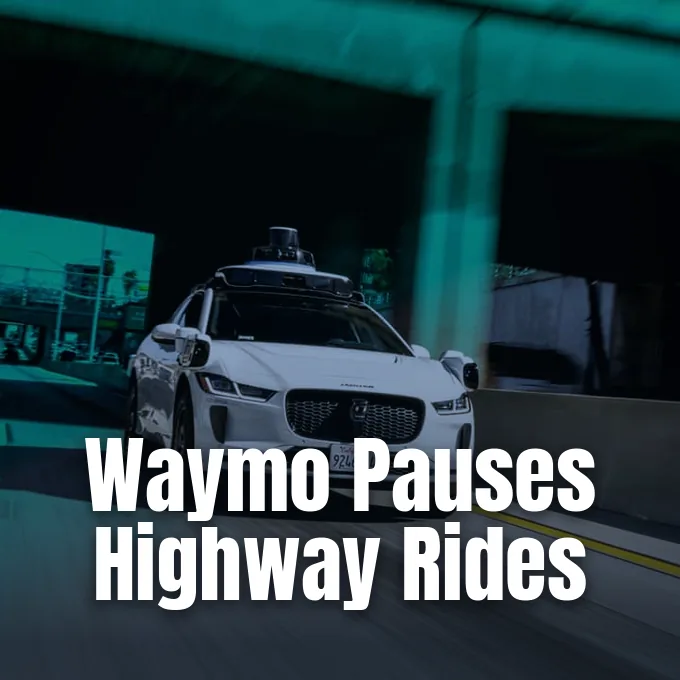
Waymo has halted all driverless robotaxi operations on highways in the United States after the California Department of Motor Vehicles ordered Waymo to remove its autonomous vehicles from California freeways following multiple roadway incidents. State officials in California acted to protect drivers from sudden traffic hazards. The California DMV issued the directive after ruling that Waymo autonomous driving on state freeways posed an imminent safety hazard. Although the state regulatory order targeted California roads, the resulting Waymo freeway ban prompted Google robotaxi unit Waymo to pause autonomous highway travel in all of its commercial markets [1].
Why the Waymo Freeway Ban Began in California
The regulatory action officially began on November 11 when the California Department of Motor Vehicles (DMV) ordered Waymo to halt driverless passenger trips and vehicle testing on all California freeways. DMV spokesperson Jonathan Groveman said in a written agency statement that California officials stepped in because the driverless fleet presented “an imminent hazard to public safety” following several concerning highway events. Groveman said the California DMV ban will stay in place until Waymo proves that it has “taken effective corrective actions to address the deficiencies”. The DMV set no public deadline [1].
California DMV regulators determined that the Waymo freeway ban was necessary after evaluating how autonomous software handled unexpected lane shifts on state routes. California road officials concluded that Waymo technology needed more state oversight before carrying riders at highway speeds [1].
Following the state order, Waymo representative Chris Pappas said that the California DMV had “implemented an operating restriction on freeway operations in the state” to review performance. According to reporting from The Wall Street Journal, California DMV officials demanded clear proof of system fixes before any Waymo robotaxi returns to Highway 101 or neighboring corridors. California officials said that protecting motorists and road crews takes precedence over commercial expansion schedules [2].
Dangerous Incidents on State Routes
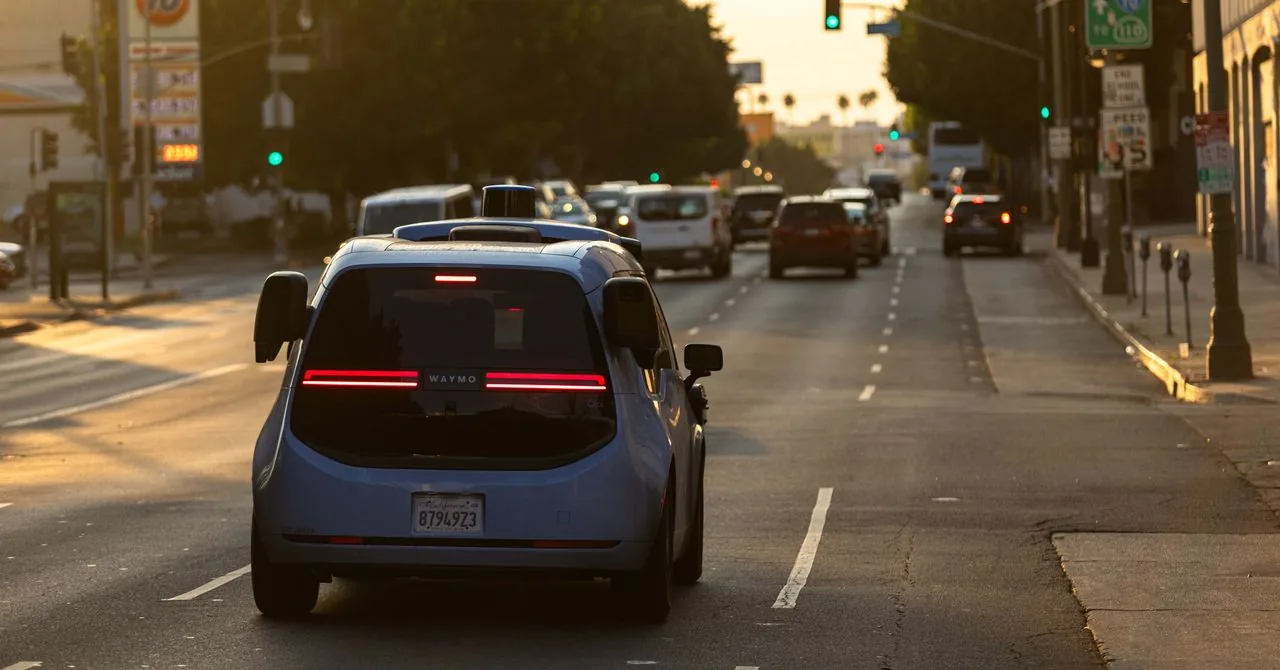
Two highway encounters in Northern California convinced state officials to intervene after Waymo robotaxis failed to respond properly to temporary traffic controls established by the California Highway Patrol (CHP) and road crews. Neither incident resulted in injuries or collisions [1].
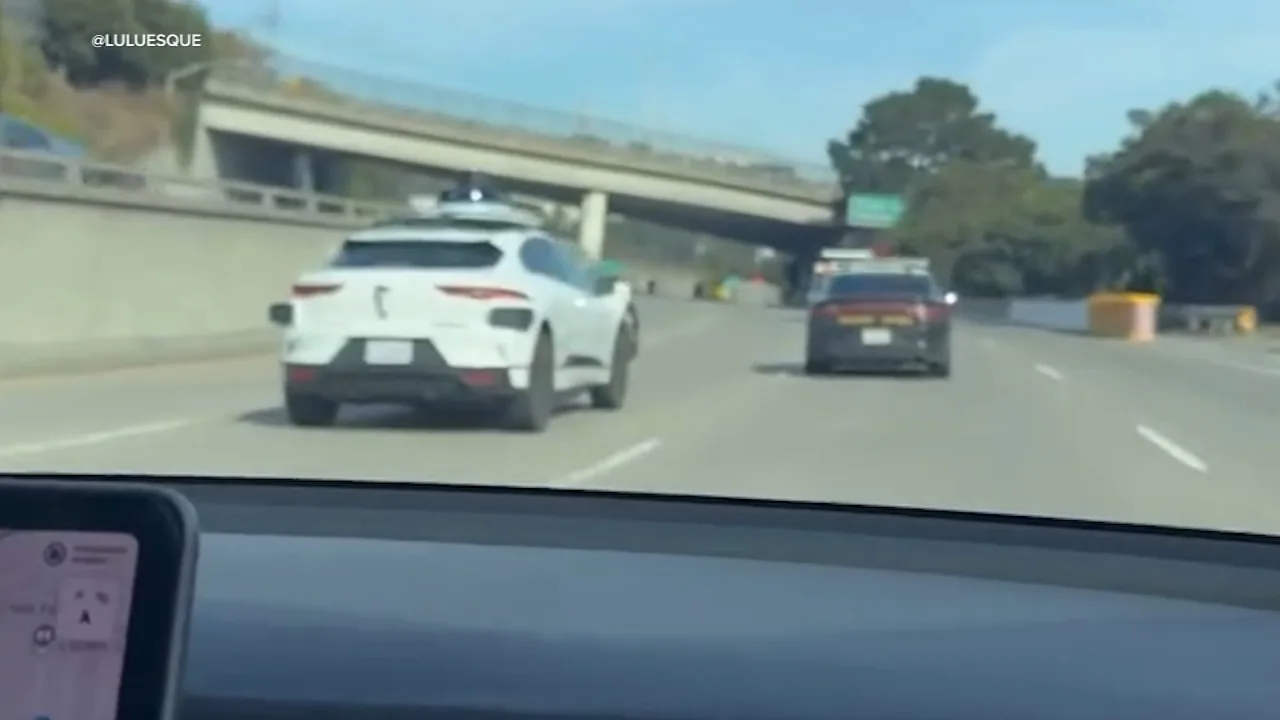
In the first incident, three Waymo robotaxis drove into an active highway road work closure along Route 101 on the San Francisco Peninsula. The Waymo cars entered closed travel lanes despite visible signs and traffic cones intended to keep passing traffic away from road crews working on the pavement. In the second incident, recorded on video by passing drivers, a Waymo cab interfered with California Highway Patrol patrol cars conducting a “traffic break” on a San Francisco highway as workers cleared crash wreckage. The footage showed the autonomous Waymo vehicle attempting to squeeze past police cruisers as CHP officers weaved between lanes to slow traffic [1]. Local television stations, including ABC7 News Bay Area and NBC Bay Area, broadcast the freeway recording as California DMV officials launched a safety review [2].
Another video broadcast by ABC News showed an unoccupied Waymo car stopping on active railroad tracks in San Diego. The car carried no passengers. With an oncoming train approaching, the autonomous Waymo taxi reversed backward through the lowered crossing gate to escape the tracks. On social media site X, observers debated the maneuver, but commenters said that driving through the wooden barrier prevented a train collision after the car stopped on the tracks. Even so, the incident showed how complex obstacles in California cities challenge self-driving software [2].
Waymo Freeway Ban Spreads to Other States
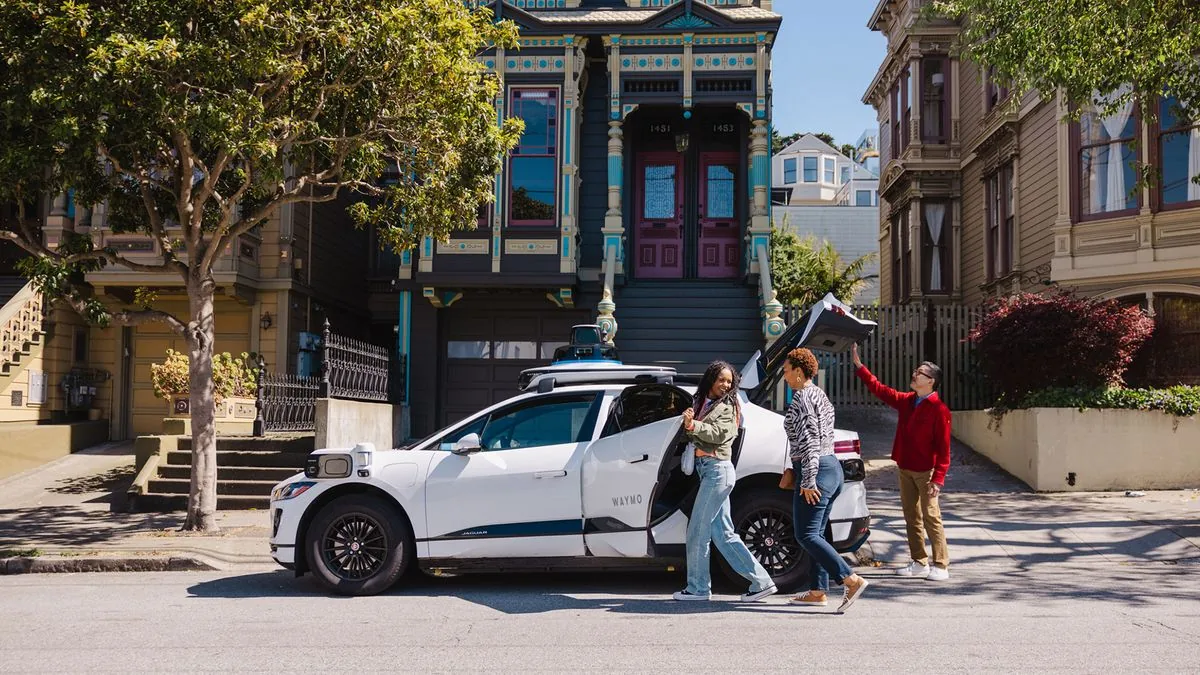
The initial regulatory order came from California, but the Waymo freeway ban quickly expanded into a nationwide pause as Waymo chose to halt driverless highway trips in every operational territory [1]. Waymo spokesperson Chris Pappas told The New York Times that the company “temporarily restricted freeway operations across our other operating markets to evaluate our performance” as engineers examine navigation behavior. Waymo leadership said that testing outside California will mirror the safety standards demanded by the California DMV [2]. Waymo continues to provide passenger rides on surface streets in 15 metropolitan areas, including San Francisco, Los Angeles, and San Diego [1].
Waymo confirmed it will keep testing cars on California highways and other routes with trained safety drivers sitting behind the wheel. Human safety drivers will stay on board during tests. Those operators can seize control if autonomous systems misread lane markers or road work signs. Passenger highway access stays suspended until internal Waymo reviews conclude [1].
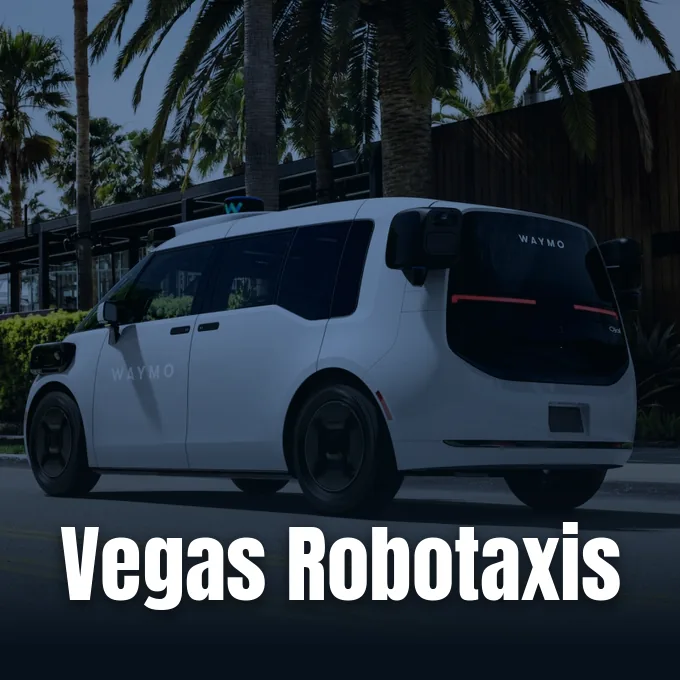
In a statement provided to WIRED, Waymo spokesperson Dana Gallagher said the company is “working with the California DMV and other state officials diligently and responsibly to resume freeway operations”. Passengers can still book urban rides such as the Waymo robotaxi service in Las Vegas where Waymo cars travel along resort corridors. Freeways present much higher speeds and smaller margins for software error than surface roads. Resuming highway trips will require convincing the California DMV and federal regulators that Waymo software can handle abrupt detour zones [1].
Earlier Software Recalls in Work Zones
Waymo has now paused highway passenger trips for the second time in two years. Federal safety reviews followed the Waymo highway ban as investigators checked earlier software recalls. In June, Waymo issued a voluntary software recall after federal regulators discovered that its driving software failed to detect highway work sites properly. Investigators at the National Highway Traffic Safety Administration (NHTSA) cited several incidents from April and May where Waymo cars bypassed ramp closure signs and rolled into active work zones. None of those spring events caused collisions or injuries, but NHTSA officials warned that construction navigation posed ongoing hazards. Road workers are vulnerable when robotaxis misread temporary highway signs [1].
Federal teams at NHTSA broadened their safety checks beyond highway corridors. NHTSA disclosed last week that it is evaluating whether a separate Waymo software recall from last December resolved persistent safety flaws. That earlier inquiry centered on Waymo cars driving past stopped school buses with flashing warning lights and extended stop arms in California cities [1].
Autonomous vehicle developers have struggled with highway work zones for more than a decade. Road work patterns vary widely across states, using mismatched cones, blinking arrow boards, and uneven pavement paint that confuse sensors. Human drivers easily interpret shifting traffic markers, but self-driving systems need predictable road guidelines to plan safe routes. At highway speeds, misreading a single detour marker can leave a car trapped between concrete walls [1].

Public Trust in Driverless Tech
Waymo stands as the largest robotaxi operator in the country, having logged over 271.3 million rider-only miles without human backup drivers behind the steering wheel. The Waymo service runs in 15 US cities. Waymo points to its safety-first policies as it works to expand commercial taxi services into new regions and airport corridors [2].
Despite that expanding passenger footprint, winning widespread public trust remains an uphill challenge for autonomous fleets. A market survey conducted by YouGov revealed that a majority of respondents still feel “very uncomfortable” about riding in driverless passenger cars. Recordings of driverless cars stopping on San Diego train tracks or blocking California Highway Patrol cruisers have circulated widely across social media networks. In an automotive analysis of the state order, TechRadar reported that autonomous systems still struggle with rare edge cases that expose software flaws in fast-moving freeway traffic [2].
Waymo stated that its surface street service continues to operate safely in California and other regions as engineering teams address freeway driving issues [2]. The company faces rigorous scrutiny from the California DMV, the California Highway Patrol, and federal regulators before robotaxis return to state freeways. Before the California DMV lifts the Waymo freeway ban, Waymo must prove that its cars can navigate complex traffic safely [1].
- ONLINE NEWS Marshall, A. (2026, November 17). Waymo Pauses All Highway Rides After California Safety Ban. WIRED. [Article Link]
- ONLINE NEWS Poultney, L. (2026, November 18). Waymo pulls robotaxis from US highways — California calls driverless cars an ‘imminent hazard’ after multiple incidents. TechRadar. [Article Link]


