



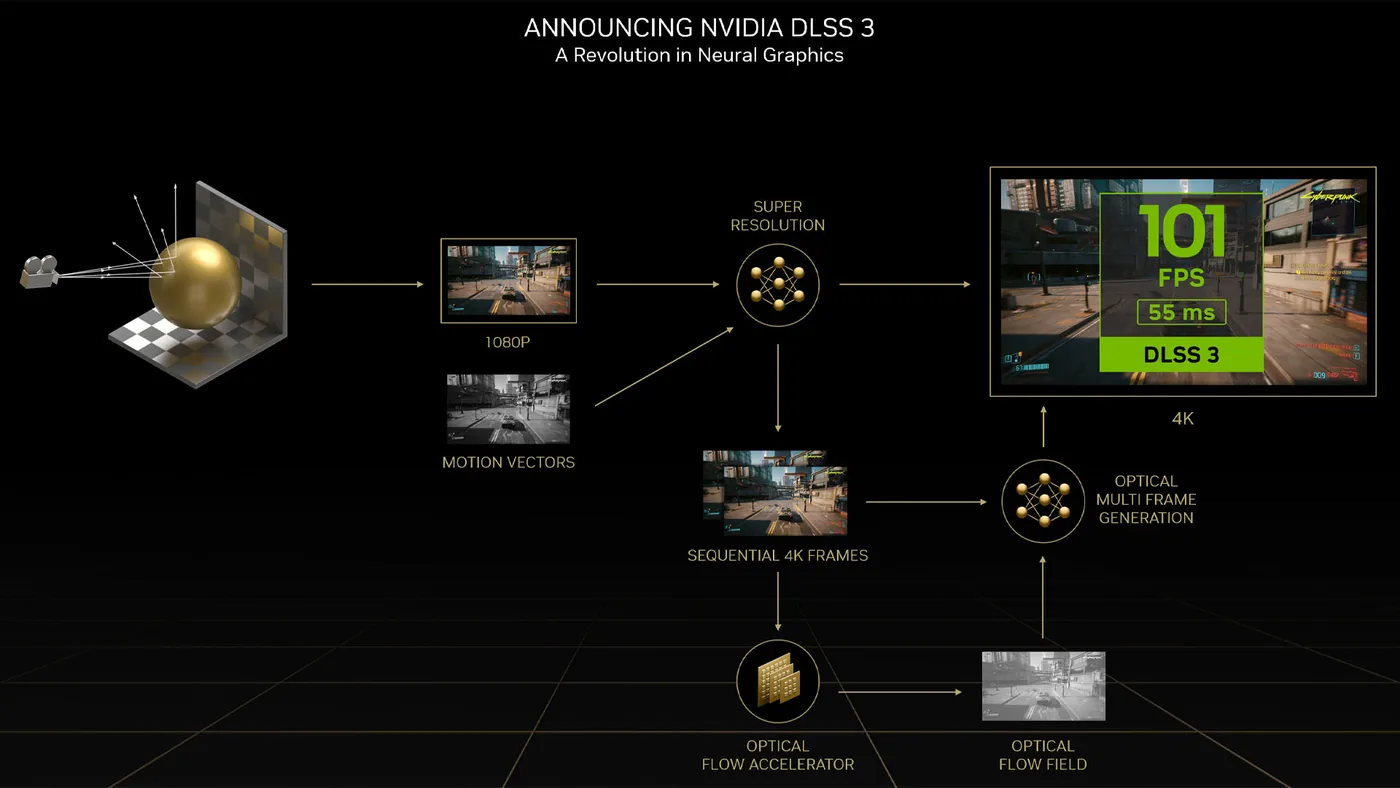
DLSS frame generation is an artificial intelligence rendering technology developed by NVIDIA that inserts newly synthesized frames between normally rendered images to boost visual smoothness in PC games. Unlike older upscaling tools that only stretch lower resolutions over more pixels, this system evaluates motion vectors and sequential frames to build new graphical images without putting extra burden on standard geometry pipelines. NVIDIA introduced this technique with its DLSS 3 update for GeForce RTX graphics cards, and the company later expanded the software stack to generate multiple frames on modern desktop architectures [1].
Frame Synthesis Mechanics
Video game engines build interactive worlds through sequential rendering passes that compute lighting, shadows, and meshes before showing a completed image. DLSS frame generation changes this workflow by taking two sequential frames from the game engine and using a neural network to build an extra frame that bridges motion between them (such as object coordinates) [1].
The neural model processes these inputs to create a smooth transition image that matches the target resolution of neighboring frames. For every frame that the graphics card renders through standard shading, the system inserts an extra generated frame, doubling perceived frame rates during fast gameplay [2]. Because the extra frame does not run through normal rasterization pipelines, the graphics processor saves valuable compute time while keeping motion clean and stable on PC gaming monitors [6]. Popular games like Fortnite, Cyberpunk 2077, and Minecraft in Unreal Engine 4.26 use DLSS integration to balance heavy ray tracing against high refresh display demands, helping graphics cards maintain steady frame delivery during visually complex combat encounters [3].
Standard rendering forces the graphics processor to recompute complex lighting and geometry for every single frame sent to a monitor. AI frame insertion avoids that loop by relying on pre-trained neural networks to infer pixel color values from neighboring temporal data [5]. Unity 2021.2 added native DLSS support in its HDRP pipeline [4]. This lets game developers achieve higher frame rates in demanding titles without sacrificing core visual fidelity [1].
Optical Flow and Tensor Processing
Hardware components and deep learning algorithms work together to track pixel movement and build extra frames at high speed. When NVIDIA first unveiled the feature on Ada Lovelace architecture, it used a hardware Optical Flow Accelerator built directly into GeForce RTX 40 series silicon. This block measured the direction and speed of individual pixels between consecutive frames, passing motion data to the neural network to prevent distortion. Ada Lovelace chips run it [2]. By offloading pixel vector tracking to separate hardware, the system kept the main shading units free for complex rasterization, allowing games to maintain stable base performance while AI models generated extra frames in real time [1].
With DLSS 4, NVIDIA shifted optical flow calculations toward an AI model that runs on Tensor Cores. This removed the strict need for the standalone optical flow block found in RTX 40 series cards [2]. The neural network evaluates motion vectors, color inputs, and depth buffers to track geometry changes between frames [7].
These neural networks do not train on home computers during gameplay. NVIDIA trains the models offline on massive supercomputers like Saturn V, feeding millions of 16K reference images into the network to teach it how lighting, edges, and materials behave. Light Brick Studio showed these real-time ray tracing results at GTC 2021 [4]. Once trained, the model weights travel through Game Ready drivers and game patches, allowing the network to recognize temporal patterns across different engines without per-game retraining [2].
DLSS Frame Generation Hardware Support
Official access to AI frame generation stays tied to recent generations of NVIDIA graphics cards. Standard single-frame generation officially needs a GeForce RTX 40 series card or newer, as NVIDIA designed the software runtime around Ada Lovelace silicon [1]. Gamers on RTX 20 or RTX 30 cards can use DLSS Super Resolution, but frame generation toggles stay locked [2].
The rollout of Multi Frame Generation set higher hardware boundaries by limiting multi-frame multipliers to newer hardware tiers. Producing up to three extra frames in DLSS 4 and up to five extra frames in DLSS 4.5 is officially reserved for GeForce RTX 50 series graphics cards. These newer cards pack updated Tensor Cores that run transformer models to predict multiple frames in real time, delivering higher frame rates during intensive 4K rendering tasks [1]. Over 125 games supported DLSS 4 by May 2025. Nintendo Switch 2 also adopted DLSS on June 5, 2025. Meanwhile, RTX 40 cards stay limited to one generated frame per rendered image [2].
Community developers showed that these hardware lines are flexible. Programmers ran the official DLSS frame generation runtime on RTX 30 series GPUs (both 2x and Multi Frame Generation modes) without official driver support. Bryan Catanzaro, NVIDIA vice president of Applied Deep Learning Research, told Digital Foundry that supporting older architectures was mainly an engineering question of optimization and user experience. NVIDIA told PC Gamer that older cards need extra testing [2].
Why Is DLSS Frame Generation Greyed Out?
Many PC players find that the menu setting for dlss frame generation is greyed out. Why does this menu toggle stay locked on capable hardware? The main reason is having an RTX 20 or RTX 30 card installed, which prompts games to disable the setting [1]. RTX 30 cards lack official access [2]. Without an RTX 40 or RTX 50 GPU, the driver locks the toggle [1].
System settings in Windows can also block the option on compatible RTX 40 or RTX 50 cards. Frame generation relies on Hardware-Accelerated GPU Scheduling, a Windows feature that allows the graphics card driver to manage its own video memory queues directly. If this setting stays disabled in Windows display options, games cannot initialize the command pipelines needed to insert AI frames into the presentation buffer [2]. Turning the feature on in Windows settings and rebooting the PC restores the option in supported games [1]. Battlefield V and Metro Exodus launched with early DLSS 1, but modern frame generation needs this Windows scheduler active to synchronize frame delivery without stutter [2].
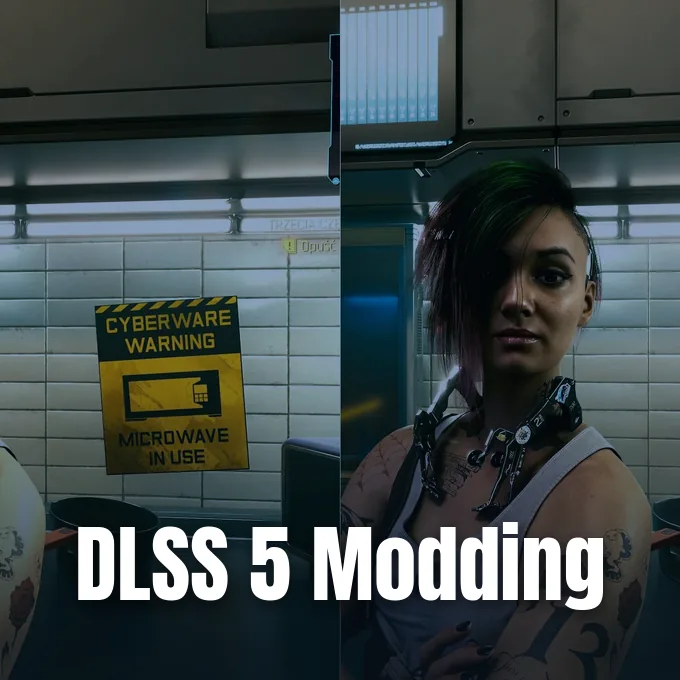
Game integration and patch versions also control access. Over 540 games and apps supported DLSS by January 2025, but each title must include the specific frame generation SDK. Older games like Control and Wolfenstein: Youngblood received DLSS 2 updates but lack native frame generation code. For games without updates, PC modders inject faster NVIDIA DLSS 5 into unsupported games through community packages to test newer software features [2].
Input Latency Impact
While generated frames make video look fluid, they alter how quickly a game reacts to player input. Creating an artificial frame takes time, and because that frame is built from past motion data, it cannot respond to mouse commands while processing. This delay causes input latency (the delay between mouse movement and monitor update) [1].
Frame generation also affects the real base rendering rate of the game engine. Running the frame generation model uses GPU compute power, which often causes base rendering speed to drop slightly before extra frames appear. For example, a game running at 40 frames per second might drop its base rate to 35 frames per second once frame generation turns on. With six-times frame generation in DLSS 4.5, that base speed produces a perceived visual rate of 210 frames per second, but mouse inputs still register at 35 frames per second. Edward Chester of PCGamesN explained that this gap creates a floaty feeling when moving a mouse in fast shooters like Death Stranding or Call of Duty: Black Ops Cold War [1].
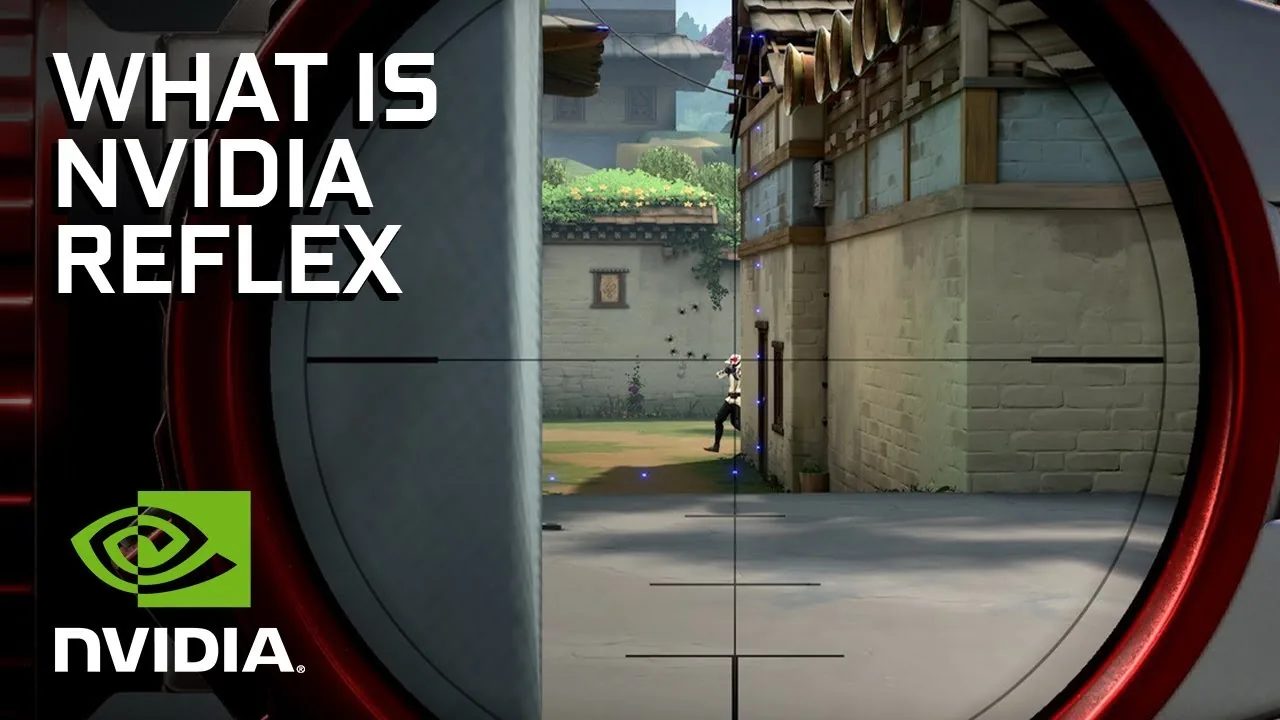
To reduce input lag, NVIDIA includes Reflex in games that support dlss frame generation. Reflex coordinates CPU and GPU work queues to lower latency in shooters like Apex Legends and Valorant [3]. Testers advise against using frame generation when base rates fall below 60fps on a mouse. Controllers stay more forgiving at lower speeds (often below 40 frames per second) [1].
Evolution Through Multi Frame Generation
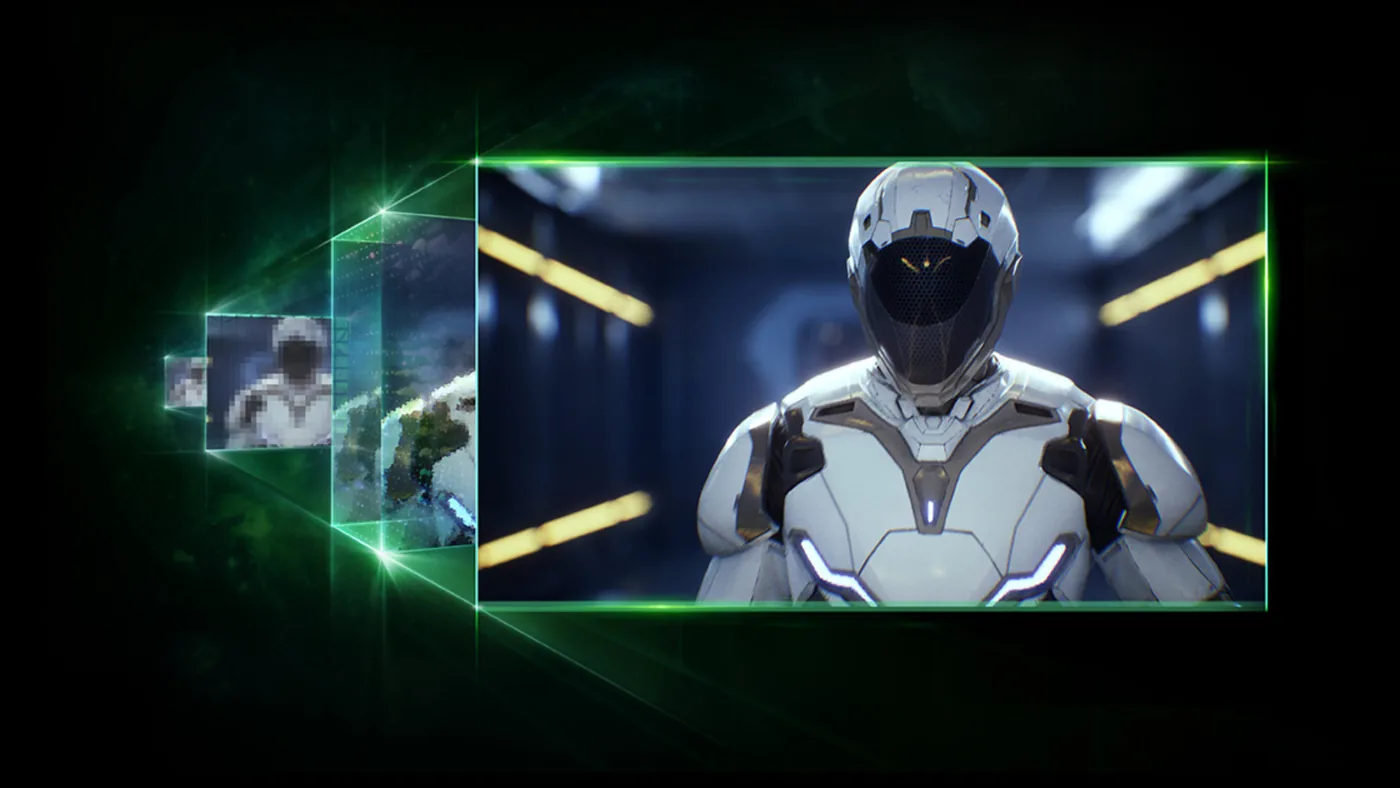
NVIDIA has updated its frame generation technology across several product generations. DLSS 3 introduced single-frame generation alongside titles like Cyberpunk 2077, inserting one AI frame between each rendered image. That 2x mode doubled perceived frame rates for ray tracing players [1]. By March 2025, over 100 games supported DLSS 4 on PC platforms [2].
With the release of DLSS 4 alongside RTX 50 cards, NVIDIA introduced Multi Frame Generation to push display rates higher. This mode lets the AI model generate up to three frames per rendered frame, quadrupling visual frame rates on compatible hardware. DLSS 4 also replaced older Convolutional Neural Networks with Transformer models, which improved visual stability and lowered ghosting around fast objects despite a small hit to raw rendering speed [1]. Warhammer 40,000: Darktide used 400MB less memory at 4K resolution with frame generation on. DLSS 4 saves 30% memory with frame generation [2].
At CES 2026, NVIDIA announced DLSS 4.5 with dynamic frame generation and up to 6x frame multiplication, scheduled for release on March 31, 2026 [1]. Over 250 games and apps supported Multi Frame Generation by January 2026. At GTC 2026, CEO Jensen Huang unveiled DLSS 5 for release in fall 2026 [2]. Software ecosystems also grew around these chips, such as when LevinAI uses developer vibe coding to boost RTX 50 GPUs through streamlined developer workflows.
Applications Beyond Entertainment
While video games remain the main focus for AI upscaling, other industries apply DLSS methods to commercial rendering. In architectural walkthroughs and 3D design, artists use AI rendering to inspect dense scenes without viewport stutter. Virtual reality and augmented reality systems also use neural frame generation to prevent visual latency that causes motion strain during training runs [6].
Academic researchers have explored how deep learning upscaling influences data analysis and visual perception. A 2023 study by Hou and Tang in Traitement du Signal examined how color and Deep Learning Super Sampling features extracted from online product photos affected consumer sales volume. The authors showed that neural feature extraction provides valuable data for e-commerce design strategies [8]. In media theory, Gass analyzed temporal manipulation in Control for the Journal of Gaming & Virtual Worlds, arguing that neural upscaling alters how players perceive virtual time and movement through interpolated frames, showing how visual ghosting and flicker shift player immersion [9].
Computer vision engineers also apply neural super sampling to monitoring systems in poor weather. In a 2025 paper in Engineering Technology & Applied Science Research, Warni, Alimuddin, Salam, and Fachri combined multi-ROI pixel analysis with DLSS to count vehicles in rainy camera feeds. Testing on the AAU RainSnow dataset showed 80.95% accuracy in regular rain, outperforming older tracking tools. Accuracy fell to 36.58% in severe thunderstorms, showing clear weather limits for neural reconstruction [10].
Configuring DLSS Frame Generation
Getting good results with dlss frame generation needs proper graphic tuning. Players should first build a solid base frame rate before turning on frame synthesis options. Turning on DLSS Super Resolution on Quality mode helps lift base rendering from 45fps to a steady 60fps. Once that base is set, enabling frame generation adds visual smoothness without hurting control response [1].
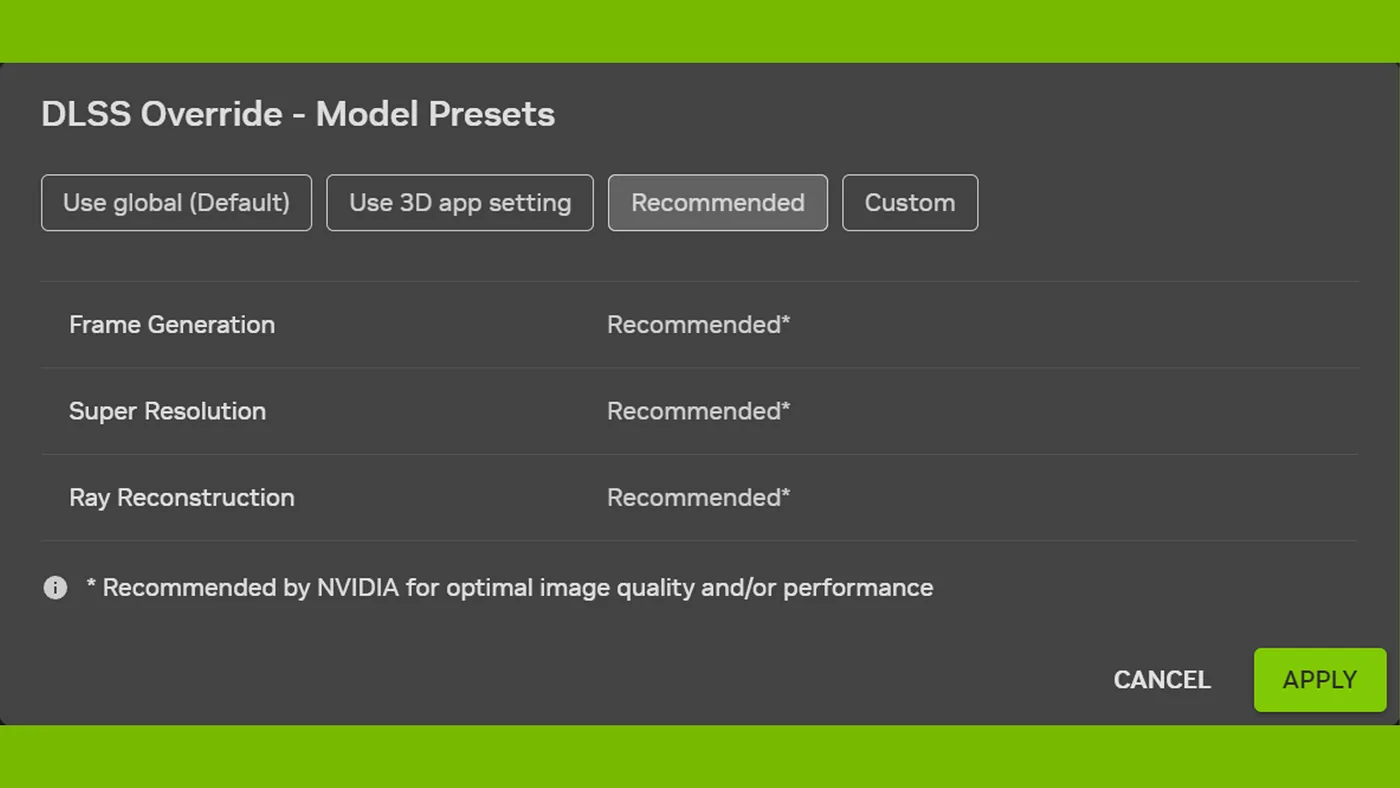
Monitor refresh rates and controllers also guide optimal settings. On high refresh rate displays (such as 144Hz or 240Hz monitors), turning on Multi Frame Generation gives smooth motion in story-driven games where controller sticks mask subtle input delays. In fast mouse shooters, testers suggest sticking to 2x frame generation or keeping the toggle off if base performance falls below 60fps [1]. Gamers should also verify that NVIDIA Reflex stays active to keep render latency low [3]. With rival tools like AMD FSR and Intel XeSS competing in the market, NVIDIA App now includes a DLSS Override option to manage model profiles across supported games [1].
Adoption continues to grow in the PC industry. Over 80% of GeForce RTX owners turn on DLSS in supported games. As developers add DLSS 4 and DLSS 5 to upcoming releases like Assassin’s Creed Shadows and Starfield, AI frame generation remains a key tool for balancing visual detail against smooth performance on modern graphics hardware [2].
- ONLINE NEWS Chester, E. (2025, February 17). What is Nvidia DLSS? Upscaling, frame gen, and more explained. PCGamesN. [Article Link]
- WEBSITE Wikipedia contributors. (2026). Deep Learning Super Sampling. Wikipedia. [Article Link]
- WEBSITE Singh, P. (2021, February 11). NVIDIA DLSS plugin and Reflex now available for Unreal Engine. NVIDIA Technical Blog. [Article Link]
- WEBSITE Einhorn, E. (2021, April 14). NVIDIA DLSS natively supported in Unity 2021.2. NVIDIA Technical Blog. [Article Link]
- WEBSITE Pcpartsgeek. (2026, July 30). Deep Learning Super Sampling (DLSS) – Definition & detailed explanation. PCPartsGeek. [Article Link]
- WEBSITE Supermicro. (n.d.). What is Deep Learning Super Sampling (DLSS)? Supermicro. [Article Link]
- WEBSITE GeeksforGeeks. (2020, June 23). DLSS – Deep Learning Super Sampling. GeeksforGeeks. [Article Link]
- ACADEMIC JOURNAL Hou, M., & Tang, Y. (2023). The influence of visual features in product images on sales volume: A machine learning approach to extract color and Deep Learning Super Sampling features. Traitement du Signal, 40(4), 1469-1477. [Article Link]
- ACADEMIC JOURNAL Gass, A. B. (2025). Worms through time: Deep Learning Super Sampling and temporal manipulation in Control. Journal of Gaming & Virtual Worlds, 17(2), 151-163. [Article Link]
- ACADEMIC JOURNAL Warni, E., Alimuddin, A., Salam, A. E. U., Fachri, M., & H, M. R. (2025). Enhancing traffic counting in rainy conditions: A Deep Learning Super Sampling and multi-ROI pixel area approach. Engineering Technology & Applied Science Research, 15(1), 20095-20101. [Article Link]


