






Suno AI builds complete songs from text prompts by making vocals, instruments, and full production within a single neural model. Understanding how suno ai works begins with its engine, which turns text prompts into acoustic tokens and audio waveforms instead of simple MIDI note blocks. The system can make four-minute tracks across many genres in under a minute. Millions of people join the site each week to craft personal songs, while pro studios use its isolated stems and custom models to draft new music.
The Origins of Suno
The roots of the platform trace back to January 2022, when four technologists—Mikey Shulman, Georg Kucsko, Martin Camacho, and Keenan Freyberg—left their engineering jobs at Kensho after S&P Global acquired the financial analytics firm in 2018. The founders met at Kensho. All four were hobby musicians who wanted to build software to help firms catalog and search audio archives. While working late at a kitchen table in Cambridge, Massachusetts, the team began testing deep learning models that produced what Shulman called vaguely passable sounds. Those crude tests soon turned into an obsession, leading the group to leave their catalog project behind and focus entirely on making AI music. Shulman saw that making fresh songs offered far more creative joy than indexing old tracks [17].
The founders named their project Suno, taking the Hindi word for listen, and put out their first open-source project in April 2023 [7, 17]. That release was Bark, a text-to-speech model posted on GitHub under an MIT License [7, 19]. The code remains on GitHub. Bark did not use standard phonemes like Microsoft’s speech model (VALL-E), but turned text directly into high-level semantic tokens. A second model then converted those tokens into audio waveforms using Meta’s Encodec neural audio tool. This setup let Bark generate laughs, gasps, and expressive singing voices [7].
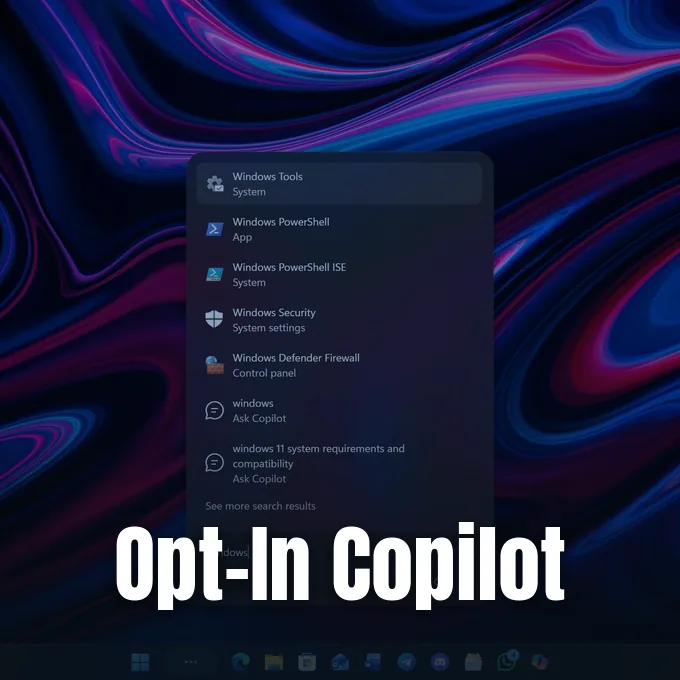
In July 2023, Suno debuted on Discord to test song making with an online community, copying the rollout path of image maker Midjourney [17, 19]. Suno first ran on Discord. Users later gained the ability to run the music maker with Microsoft Copilot in Windows. Donny Turnbaugh from Microsoft said Copilot made one song per prompt, while Suno’s site gave two options [6].
Turning Text Prompts into Music
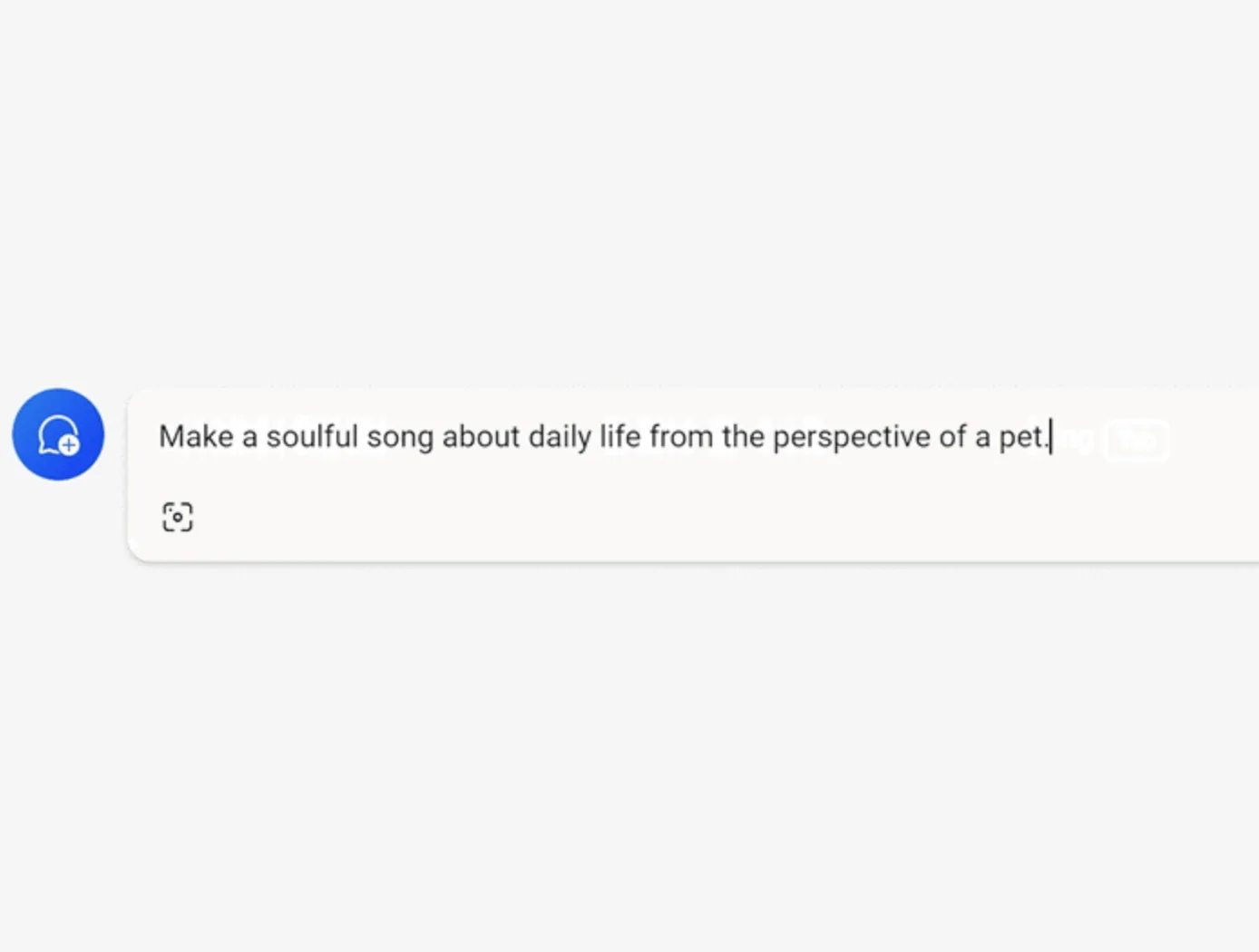
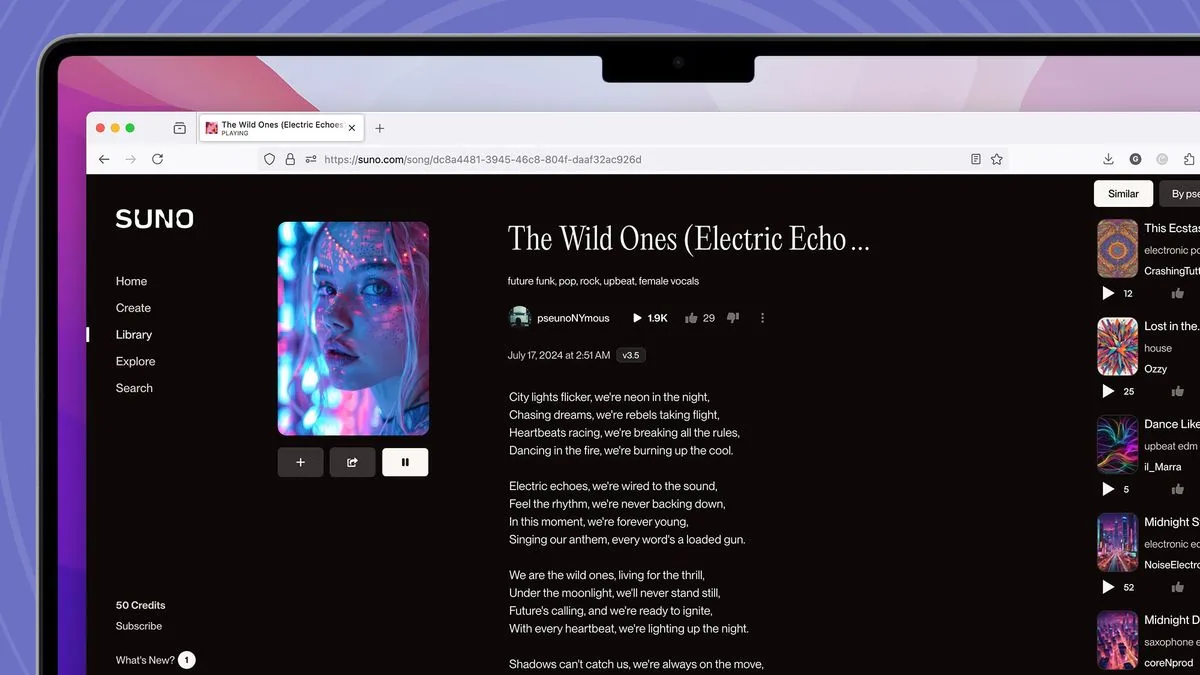
Learning how Suno AI works from a text prompt means looking at how the software turns plain words into musical guide tracks [8, 15]. When a user types a prompt for a Delta blues groove or a synth-pop track without adding lyrics, Suno drafts rhyming verses, choruses, and instrumental hooks on its own [8, 11]. Early versions used ChatGPT to write words, while newer builds use an in-house lyric model built for song meter [11, 15]. The songs sounded raw at first, but vocal flow improved with each update [8].
Standard audio workstations trigger digital synths with MIDI data, but Suno builds full audio waveforms that blend singing voices and instruments into one stereo track [8, 17]. The neural network predicts acoustic tokens step by step, capturing natural human timing, vocal breath, and room echo [8, 11]. When Rolling Stone made a blues song called Soul of the Machine on the v3 engine, Living Colour guitarist Vernon Reid said the simulation captured the room sound of an old Alan Lomax field tape without real microphones. The track earned 36,000 plays in four days [11].
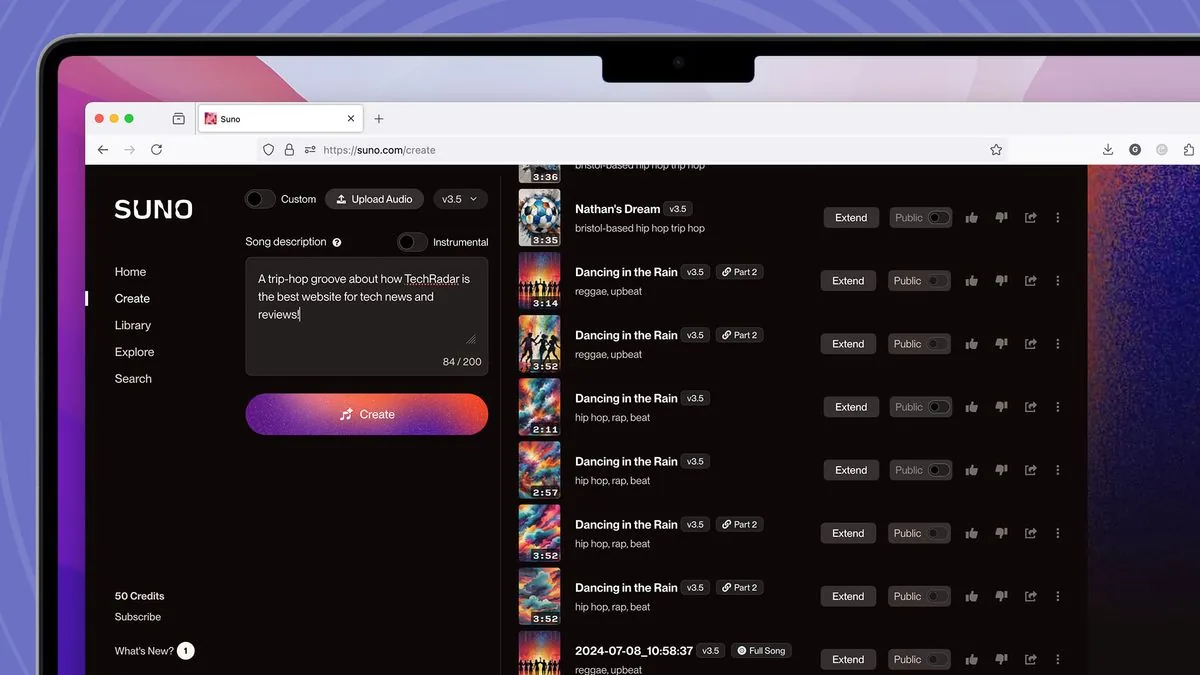
Creators can switch to Custom mode to write their own lyrics and add tags like verse, chorus, and solo. Suno’s Extend tool then reads an existing audio clip and writes a smooth continuation in the same key, tempo, and vocal tone [8]. Pro users can also upload audio clips up to eight minutes long to serve as the melodic root for new tracks [5]. TechRadar tester Mark Wilson said early acoustic guitar experiments sounded like an automated Phoebe Bridgers, but noted that blues and rock tracks carried surprising grit [8].
Why Codecs Dictate How Suno AI Works
Raw sound files hold tens of thousands of data points each second. Because predicting raw audio points directly would slow down standard chips, the core setup explaining how Suno AI works pairs language transformers with diffusion models. Mikey Shulman said transformers shape song structure while diffusion cleans audio details [8]. Diffusion cleans the sound.
The engine depends on a neural audio codec that shrinks high-sample audio into discrete semantic tokens without losing vital harmonic pitch. Built on Meta’s Encodec system, the model assigns number codes to frequency bands across time. Transformers treat these tokens like words in a sentence, predicting each musical bar from the notes before it [7, 8]. Next, a neural vocoder reads the token stream and turns it back into rich audio waveforms. This dual path lets Suno render raspy blues voices, crisp snare drums, and natural room decay with high fidelity [7, 11]. It handles multi-layer mixes that once took racks of hardware [8].
General language models are tested on school reading tests or LSAT legal exams, but music models depend on human taste. Shulman said that while teams test chatbot scores on paper tests, music models need listening ears. Suno tunes its neural weights by studying millions of user picks between pairs of generated songs. This training teaches the network to pick clear vocals, tight hooks, and steady chord changes over muddy sound drift [15, 17].
Scraped Audio and Training Data
The data used to train music models has sparked fierce fights across the music world. Suno long kept its training sources hidden as trade secrets, but a 2026 data leak reported by 404 Media revealed the true scale of its audio scraping. The firm gathered two main audio collections from YouTube Music totaling 114,000 and 152,000 hours of sound. Other training files came from Pond5, Genius, Deezer, Jamendo, Freesound, and MuseScore, scraped through Bright Data web proxies with files pulled from public podcasts [19].
In court answers, Suno admitted using yt-dlp to download songs from YouTube for model training. That admission led record companies to add statutory claims under Digital Millennium Copyright Act (DMCA) anti-circumvention rules [19]. Suno argued that training neural networks on public recordings is fair use under copyright law, saying that studying musical patterns to make new songs is like how human musicians learn [9, 12]. The firm said its software creates fresh works instead of playing back stored songs [9].
When launching its v6 model family in September 2026, Suno moved toward licensed training data [18, 19]. Chief product officer Jack Brody said v6 was trained from scratch using catalogs licensed from Warner Music Group, BMG, and Believe. Suno retired all past unlicensed models on the same day, but Universal Music Group and Sony Music kept their lawsuits alive. The labels argued that v6 still grew out of older scraped datasets [18, 19].

How Suno AI Works Inside Studio Workstations
Looking at how Suno AI works across different versions reveals steady technical gains. The v3 engine arrived in March 2024, bringing full four-minute songs to free accounts. The v4 build (v4) in November 2024 brought punchier drums, cleaner vocals, and wider stereo spread [8, 15, 19]. The update added Personas, letting users lock in the vocal tone of a track and carry it into new songs [8, 19]. Pro plans give 500 songs a month, while the Premier tier gives 2,000 songs [5].
To link simple text prompts with pro studio gear, Suno launched Studio 2.0 on August 13, 2026, following a beta launch of Suno Studio in September 2025. Studio 2.0 acts as a browser workstation where producers place stems on a multitrack grid, edit MIDI notes, and draw automation curves with built-in audio effects. Stem separation lets creators split vocals, bass, and drums into solo tracks with low bleed [5, 19]. Musicians can export these multi-track stems into digital audio workstations to turn raw AI drafts into finished commercial records [5, 17]. This gives engineers deep control over every mix element [5].
The v6 model launch in September 2026 brought section in-painting, letting producers fix a single line of lyrics while keeping the rest of the song intact. To curb automated mass uploads to streaming services, Suno capped monthly downloads at 20 songs for Pro users and 60 for Premier members. Premier users have unlimited exports from Studio 2.0 [19].
Copyright Lawsuits from Record Labels
In June 2024, the Recording Industry Association of America filed federal lawsuits in Boston against Suno on behalf of Sony Music Entertainment, Universal Music Group, and Warner Records. The case began in Boston. The suits claimed widespread copying of sound files without licenses, seeking statutory damages up to $150,000 per work [9, 12]. RIAA chief legal officer Ken Doroshow said Suno concealed its unauthorized use instead of operating lawfully [9]. Record firms argued that AI startups should not build commercial tools on human artists’ work [12].
The lawsuit cited songs made on Suno that copied famous records, such as a track called “Deep down in Louisiana close to New Orle” mimicking Chuck Berry’s Johnny B. Goode and another called “Prancing Queen” echoing ABBA’s Dancing Queen. Mikey Shulman rejected the claims, saying that Suno’s software is transformative and built to “generate completely new outputs, not to memorize and regurgitate pre-existing content”. Suno said its app blocks prompts with real artist names like Taylor Swift or Bruce Springsteen [9, 12].
Suno settled its dispute with Warner Music Group in November 2025, signing a licensing pact and acquiring concert site Songkick. BMG signed in August. BMG made a global alliance with Suno in August 2026, followed by a deal with Believe and TuneCore in September. But Universal Music Group and Sony Music filed a new suit on September 18, 2026 over 60,202 sound recordings, calling v6 the “fruit of the same poisoned tree” [18, 19]. The Munich court ruled in July 2026 against Suno in a suit by German rights group GEMA [19].
What Producers Learn from How Suno AI Works
Seeing what producers learn from how Suno AI works in real sessions shows that music makers treat the tool as a rapid idea starter rather than a human replacement [13, 17]. Producer Timbaland signed on as a strategic advisor in October 2024 after using Suno ten hours a day to test beats [13, 14]. Timbaland uses Suno daily. He remixed his single Love Again and told Rolling Stone: “When Auto-Tune first came out, it was a tool. That’s what Suno is – the best tool of the future” [13].
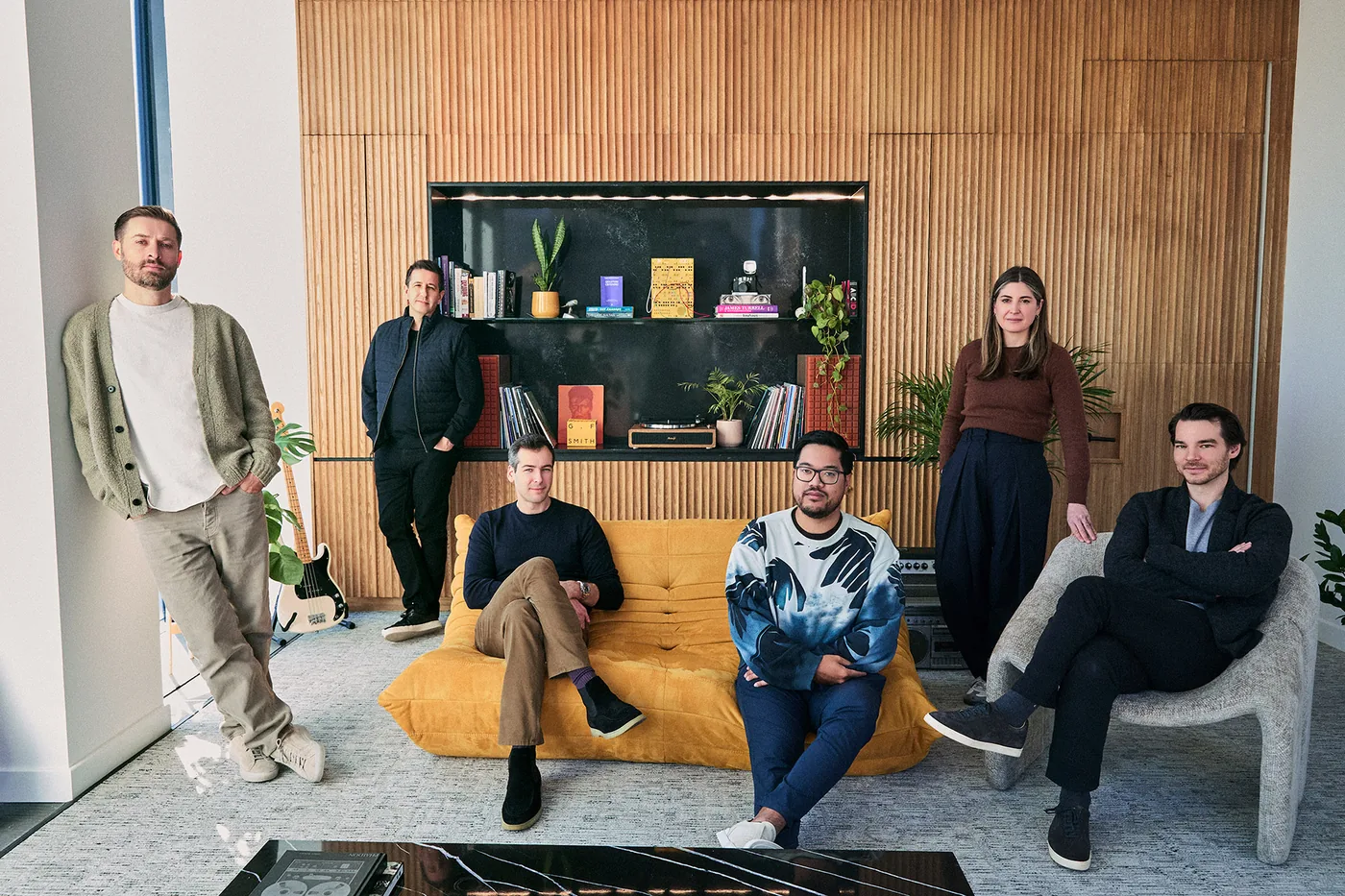
During Grammy week, Grammy-winning producer Om’Mas Keith ran a songwriting camp with Suno staff, session drummers, and violinists in a Hollywood studio. Producers Gino the Ghost and Timbaland joined Keith to craft prompts together in the control room. Musicians prompted the model, took the audio stems, and replaced about 90% of the parts with live acoustic takes. Keith said prompting with top players turns AI into a shared sketch pad rather than a robot hitmaker [17].
Billboard reported that Atlantic Records veteran Paul Sinclair joined Suno as chief music officer to guide artist ties. Product manager Henry Phipps oversees a VIP circle of thousands of music pros testing new tools [17]. Digital creators have found deals too, as Hallwood Media signed AI artist Xania Monet to a $3 million deal for songs made by poet Telisha Jones [19]. With French streaming platform Deezer estimating that 97% of listeners cannot tell AI songs from human tracks, the software is shaping real music markets [17].
Classroom Tests and Song Prototyping
Outside commercial studios, educators test how prompt-based music tools support student learning. A 2025 study by Solehudin, Hanifansyah, and Izzuddin tested Suno with 120 students aged 16 to 18 at Darullughah Wadda’wah Boarding School, showing gains in Arabic listening (maharah istima’) and vocabulary recall through custom songs [1]. The research spanned three weeks. In Jepara, researchers Amal and Shofiyuddin ran a study with eighth-grade classes, finding that students taught with Suno English songs scored higher on vocabulary tests than peers in standard classes [3].
At George School, teacher Wenjing Huang found that making AI songs helped language learners memorize tones and grammar structures [2]. At SMPN 26 Tangerang, researchers Andriamy, Aulya, and Indrayuda found that ninth-grade students used Suno to speed up song prototyping. The study showed that students shifted from lone composers to creative curators who critique genres, adjust lyrics, and evaluate song drafts [4].
While sound tools like the Engram sampler for glitch audio focus on micro-sound noise and loop experiments, Suno focuses on complete song forms. Looking at how Suno AI works across classrooms and recording studios reveals a system that combines words, melody, and rhythm into one fluid process [8, 17]. As copyright rules and licensing pacts mature, Suno continues to change how creators draft, record, and share music [17, 19].
- ACADEMIC JOURNAL Solehudin, M., Hanifansyah, N., & Izzuddin, I. F. (2025). Enhancing Arabic Listening and Vocabulary Acquisition through AI-Powered Music: A Study on Suno AI. ARABIYAT: Jurnal Pendidikan Bahasa Arab dan Kebahasaaraban, 11(2), 175-188. [Article Link]
- ACADEMIC JOURNAL Huang, W. (2024). Suno AI: Language Learning with AI Songwriting. The FLTmag. [Article Link]
- ACADEMIC JOURNAL Amal, T. A., & Shofiyuddin, M. (2025). The Effectiveness of SUNO AI Based English Songs to Improve Student’s Vocabulary. IDEAS: Journal on English Language Teaching and Learning Linguistics and Literature, 13(1), 578-604. [Article Link]
- ACADEMIC JOURNAL Andriamy, F., Aulya, V., & Indrayuda, I. (2026). SUNO AI : Learning Transformation Creates Song Trough Artificial Intelligence. Komposisi: Jurnal Pendidikan Bahasa Sastra dan Seni. [Article Link]
- WEBSITE Suno. (2026). Suno | AI Music Generator. [Article Link]
- ONLINE NEWS Khalid, A. (2023, December 19). Copilot users can create their own AI songs with the new Suno AI plug-in. The Verge. [Article Link]
- ONLINE NEWS Bastian, M. (2023, April 24). With “Bark” you can make AI voices laugh, cry and even sing. THE-DECODER.com. [Article Link]
- ONLINE NEWS Wilson, M. (2024, March 23). Suno explained: How to use the viral AI song generator for free. TechRadar. [Article Link]
- ONLINE NEWS Sato, M. (2024, June 24). Major record labels sue AI company behind “BBL Drizzy”. The Verge. [Article Link]
- ONLINE NEWS Coombes, L. (2024, July 2). Suno launches iPhone app — now you can make AI music on the go. Tom’s Guide. [Article Link]
- ONLINE NEWS Hiatt, B. (2024, March 22). Our AI-Generated Blues Song Went Viral — and Sparked Controversy. Rolling Stone. [Article Link]
- ONLINE NEWS Robinson, K. (2024, June 24). Major Labels Sue AI Firms Suno and Udio for Alleged Copyright Infringement. Billboard. [Article Link]
- ONLINE NEWS Mullen, M. (2024, October 23). “This is not something to be afraid of – this is something that we need to use”: Timbaland says he spends 10 hours a day using controversial AI music generator Suno. MusicRadar. [Article Link]
- ONLINE NEWS Dorisca, S. (2025, March 28). Timbaland Shows Support For Music AI Creation Tool Suno Despite It Being Sued By Major Labels For Copyright Infringement. Yahoo Tech. [Article Link]
- ONLINE NEWS Hiatt, B. (2024, November 19). AI Music Is More Realistic Than Ever: Meet Suno’s New Model. Rolling Stone. [Article Link]
- ONLINE NEWS Maiberg, E. (2025, January 13). CEO of AI Music Company Says People Don’t Like Making Music. 404 Media. [Article Link]
- ONLINE NEWS Robinson, K. (2026, March 11). Is Suno the Music Industry’s Biggest Nightmare — or Greatest Hope? Billboard. [Article Link]
- ONLINE NEWS Bolies, C. (2026, September 18). Sony Music, Universal Music Group Sue Suno Over Label-Backed Model: ‘Fruit of the Same Poisoned Tree’. Variety. [Article Link]
- WEBSITE Wikipedia contributors. (2026). Suno. Wikipedia, The Free Encyclopedia. [Article Link]


