





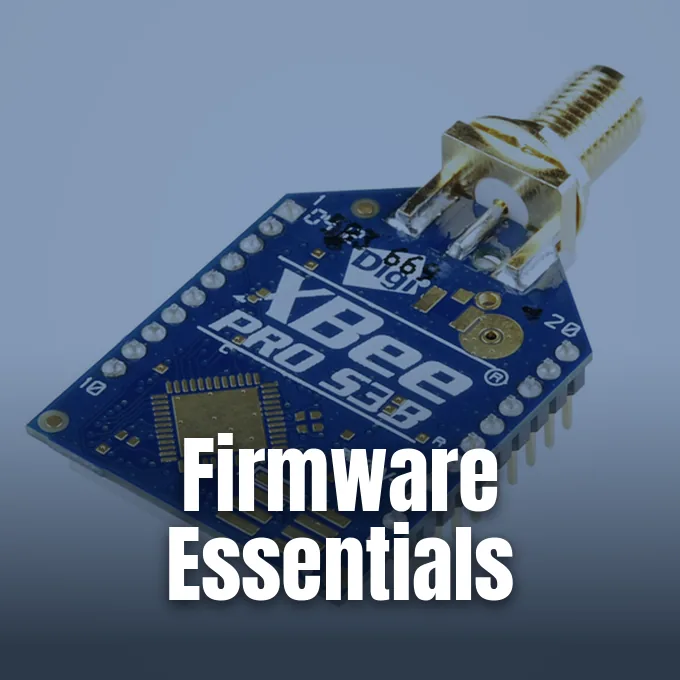
What is firmware? In tech systems, it is low-level code stored in non-volatile chips to control hardware [13]. Without this code, a CPU can’t talk to circuits, boards, or keys [5]. While daily user apps run inside an OS like Microsoft Windows or Ubuntu Linux, firmware sits underneath everything to wake system parts up during cold boot routines. It turns raw silicon into working electronics in PCs, Apple devices, and home appliances [13].
What Is Firmware?
Computer scientist Ascher Opler coined the term in a 1967 Datamation paper. He envisioned an intermediary layer between physical hardware and operational software. Opler predicted that fourth-generation IBM System mainframes would load microcode into a writable control store, letting engineers build custom instruction sets for specific tasks. Over subsequent decades, engineers broadened the term to describe any code tied closely to machine silicon [13].
A standard personal computer contains dozens of separate firmware programs working out of view. The mainboard relies on older Legacy BIOS or newer UEFI BIOS code to check system memory, scan bus lines, and hand execution over to an installed OS. Keyboards translate key presses through internal microcontrollers, while Western Digital and Seagate hard disk drives manage physical platter sectors and flash wear without host intervention. Graphics cards run video BIOS code to output visual feeds before Windows loads. Broadcom systems-on-chip rely on Common Firmware Environment code to boot, while classic Amiga computers initialized hardware via Kickstart ROM chips [13].
Mainframe operators once set switches manually. Current firmware provides an abstraction layer so operating systems run reliably across Sun Microsystems, Apple PowerPC, and Silicon Graphics ARCS computers without managing board wiring [13].
How Low-Level Code Controls Hardware
When a user taps the power key, the CPU can’t read files from a disk drive [13]. The chip starts work at a fixed memory address wired to a ROM chip [6]. In personal computers, this routine begins the power-on self-test. This routine verifies operational health across system RAM chips, CPU registers, cooling fans, and motherboard buses before loading an EFI system partition from a boot drive. If tests pass, firmware looks for an active bootloader [13]. Without this code, the machine stays dead [5].
Beyond startup, low-level microcode runs continuously to guide routine device tasks. Network modems rely on firmware microprograms to establish link speeds, handle error correction protocols, and interpret AT command sets coming from connected desktop computers. Optical disc drives from Sony and LG use internal routines to focus laser diodes on spinning discs at varying read speeds. When an engineer discovers a timing defect, issuing a firmware update rectifies the problem without manufacturing replacement circuit boards [6].

Operating systems communicate through drivers. Those drivers pass high-level requests down to device firmware, which translates generic commands into the exact electrical pulses needed by physical drive motors, optical laser diodes, and flash memory cells [13]. The interpreter never sleeps [5].
Storage Types From ROM to Flash
Firmware lives in non-volatile memory so critical boot instructions survive when equipment loses electrical power [6]. Early computing relied strictly on factory-etched mask ROM chips where changing code required physically swapping the silicon package. Later computing systems adopted programmable PROM chips, followed by ultraviolet-erasable EPROM packages that required technicians to shine high-intensity light through clear quartz windows for complete erasure. Modern EEPROM chips finally enabled rewriting code through electric pulses [5, 13].
Most consumer electronics now store low-level code in NOR or NAND flash memory. Tiny USB mice embed code in microcontrollers. Larger platforms like Asus motherboards and Samsung solid-state drives rely on standalone serial flash chips to hold multi-megabyte firmware images [13]. This rewritable flash setup allows hardware vendors like Dell, HP, and Lenovo to distribute updates over the web to repair defects, patch security gaps, and add features [5]. Mass storage drives receive firmware updates far less often than PC operating systems [13].
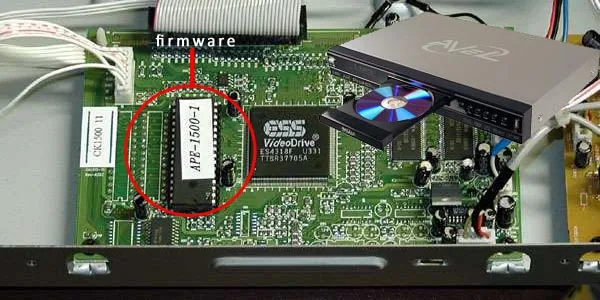
Flash memory offers easy updates, but memory cells wear out over time. Each block handles only so many write passes. Storage controllers in Kingston Technology and Crucial solid-state drives run wear-leveling algorithms within firmware to spread write operations evenly throughout flash dies and protect drive lifespan [13].
The Mechanics of Firmware Flashing
Updating a flash chip is called flashing. During this delicate process, a software tool wipes old non-volatile memory blocks and writes fresh binary code into the silicon package to update core device behaviors [6, 13]. In the past, flashing an IBM PC BIOS required booting into MS-DOS from a floppy disk to avoid software crashes. Modern users flash mainboards directly inside Microsoft Windows or UEFI setup screens, while utility software automatically backs up the existing ROM image to storage before writing fresh data [5, 13].
Flashing carries real danger because an interrupted write can brick a device. If power drops during flashing, the chip holds partial code and can’t boot. For example, legacy LG CD-ROM updates strictly required connecting the optical drive as Master on the primary IDE-1 cable while placing the main hard disk as Master on IDE-0. Having other drives on those cables could ruin the optical drive, and updates frequently refused to install on OEM-tagged devices [6].
Newer boards use dual BIOS chips or USB BIOS Flashback buttons to recover from bad flashes. Tools like Flashrom provide open-source ways to flash chips on Linux. They check SHA-256 sums before writing [4, 13].

Everyday Applications Across Consumer Electronics
Firmware runs billions of everyday chips. Since 1996, passenger cars have used on-board computers and engine sensors to track vehicle health. Recent cars rely on electronic control units for ABS braking and transmission control units to manage gear changes. In-dash digital clusters display live fuel use and tire pressure data from these embedded controllers, while local Ford or Toyota dealers flash code updates during routine service visits [13].
Home gear and digital cameras rely just as heavily on embedded code. Washing machines run timing chips to balance drum spins, while Sony Bravia TVs manage channel tables and Dolby audio in flash. In digital cameras, firmware brings big feature jumps [13]. Nikon announced its Version 2.00 update for the Nikon ZR cinema camera, adding Log3G10 gamma in compact H.265 recording while integrating RED Digital Cinema color science within the REDWideGamutRGB space. The update also adds 3D LUT feed output over HDMI and custom dial controls [2, 3]. Cameras gain new codecs years after release [13].
Gaming consoles rely on regular system updates to safeguard online play and balance performance. Sony rolled out firmware 26.07-14.23.00 for the PlayStation 5 and PS5 Pro consoles as a mandatory update before the launch of Grand Theft Auto 6. Similar ongoing engineering appears when examining PlayStation Portal updates with internal storage or tracking Sony expanding PS5 QSSR in major game titles. Sony blocks online gaming until consoles install the update [1].
Community Modifications and Third-Party Builds
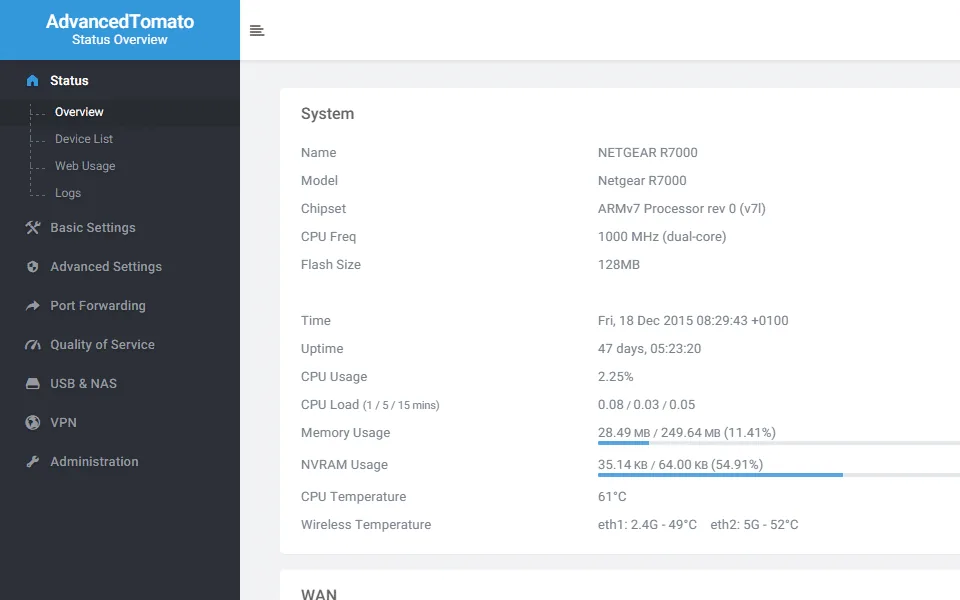
When vendors halt updates or lock features, developer communities often build aftermarket firmware [13]. In networking, Jonathan Zarate released the open-source Tomato firmware in 2006 for Broadcom routers like the Linksys WRT54G and Buffalo AirStation. Built on the Linux kernel and drawing from HyperWRT code, Tomato introduced real-time SVG bandwidth monitoring graphs, an Ajax-driven web administration dashboard, Dnsmasq integration, and ten quality-of-service traffic classes. Zarate published his final build in June 2010, after which teams kept the project alive through active forks [14].
The Tomato codebase led to numerous community projects. Fedor Kozhevnikov created TomatoUSB, which powered newer routers before development ended in November 2010 [14]. Vicente Soriano ran Victek Labs from 2008 to 2014, building Tomato RAF for Linksys, Asus, and Netgear hardware with FTTH Movistar integration, VoIP handling, and full IPv6 networking support [11]. AdvancedTomato added flat web themes over Shibby builds [12]. Asus used Tomato to build ASUSWRT, which Eric Sauvageau adapted into the Asuswrt-Merlin project for routers like the Asus RT-AX88U and Asus GT-AX11000 [9, 14].
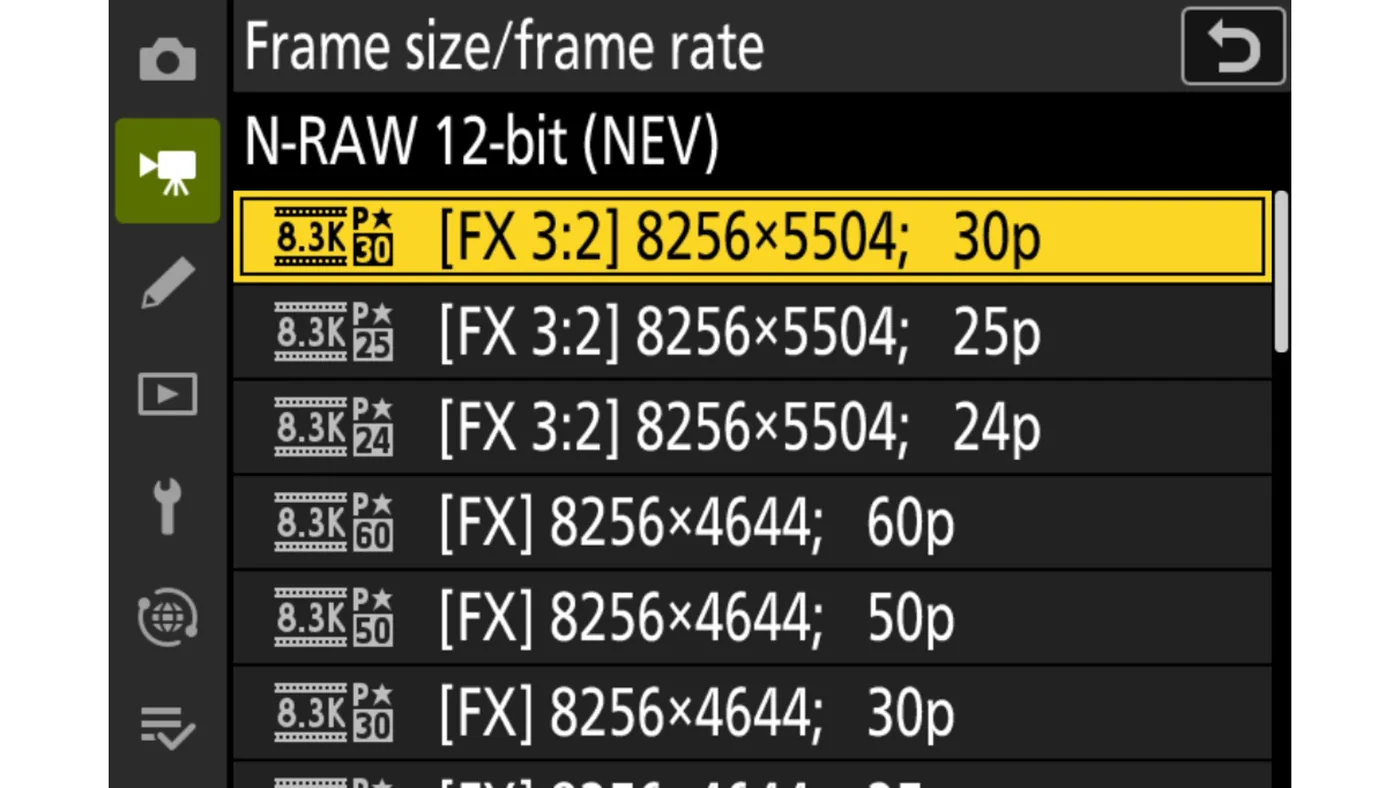
Enthusiasts bring custom firmware to audio players and cameras. Rockbox replaced stock software on Apple iPod players to support extra audio codecs and run Doom [13]. For mirrorless cameras, coder Xinmiao Zhao built NikonFirmwarePatch 0.4.0 for the Nikon Z8 on firmware C 3.11. This mod unlocks 8.3K open-gate N-RAW video at 8256 by 5504 pixels, multiple Apple ProRes 422 compression profiles, in-camera pixel-shift merging, and calibrated Sony S-Log3 color gamma curves [4]. Community code gives gear new life [13].
Advanced Control in 3D Printing
In desktop fabrication, open-source firmware has transformed 3D printers. Kevin O’Connor built Klipper in 2014 to overcome the computing limits of basic printer boards. Older firmware ran all motion math on simple 8-bit Arduino Mega chips. Klipper fundamentally changes this architecture by offloading computationally intensive trajectory math and velocity curves to an external Linux host computer, such as a single-board Raspberry Pi. The host computer calculates motion curves and streams step pulses down to printer microcontrollers [15].
Klipper lets 3D printers run fast without losing mechanical precision. Klipper works with Cartesian kinematics, delta robots, and CoreXY builds from the Voron project. In late 2020, Klipper added input shaping, using math filters to cancel mechanical vibrations and prevent ghosting lines on parts. The system also implements pressure advance algorithms to compensate for nozzle pressure build-up during quick accelerations and decelerations, producing clean corners when extruding filament materials like PLA, ABS, and PETG. Users tweak settings in text files without recompiling code [15].
Factory adoption followed quickly. In 2022, Klipper teamed with BigTreeTech to tune firmware for STMicroelectronics STM32 mainboards. By 2024, multiple 3D printer manufacturers began shipping retail production machines with Klipper pre-installed on internal controller boards to deliver high-speed printing out of the box [15].

Open code powers desktop makers [15].
Security Vulnerabilities and Firmware Exploits
Firmware malware is difficult to catch. In February 2015 at a security conference in Cancun, Moscow-based Kaspersky Lab revealed that an advanced hacking team known as the Equation Group had successfully compromised hard drive firmware [7, 13]. Evidence tied the unit to the NSA. The cyber espionage unit engineered covert implants that infiltrated hard drive firmware manufactured by Western Digital, Seagate, Toshiba, Maxtor, Hitachi, Micron, and Samsung across global commercial markets [7].
Kaspersky documented over 500 infections in 42 nations, proving that spyware in drive chips survives full disk wipes and OS reinstalls [7, 13]. Attack platforms like EquationDrug and GrayFish re-flashed drive controllers to hide files in secret disk sectors. Another tool, the Fanny worm, used two 2008 zero-day flaws to hop onto air-gapped networks through USB drives [7]. At the Black Hat USA 2014 conference, security researchers demonstrated BadUSB, proving that reprogramming flash drive microcontrollers allows them to spoof input keyboards and covertly hijack systems [13]. Similar security implications surround reports of a slim Meta headset firmware leak revealing prototype hardware blueprints.
These stealth capabilities led Canonical founder Mark Shuttleworth to describe proprietary vendor code as a “trojan horse of monumental proportions” and call closed firmware a “cesspool of insecurity”. Shuttleworth urged tech firms to use open, declarative firmware that maps hardware connections without running opaque binaries. Routine firmware patches and secure boot keys remain key defenses for connected gear [1, 13].
- ONLINE NEWS Saed, S. (2026, November 17). Sony squeezes out a PlayStation 5 firmware update before the release of GTA 6. Eurogamer.net. [Article Link]
- ONLINE NEWS Aldredge, J. (2026, November 17). Nikon’s big ZR version 2.00 firmware update is finally ready to drop next week. No Film School. [Article Link]
- ONLINE NEWS Allard, M. (2026, November 16). Nikon ZR firmware version 2.00 download date announced. Newsshooter. [Article Link]
- ONLINE NEWS Leitner, N. (2026, November 16). Nikon Z8 firmware mod NikonFirmwarePatch adds 8.3K open-gate N-RAW, more ProRes options and S-Log3. CineD. [Article Link]
- WEBSITE Incepator.pinzaru.ro. (2013, January 23). What is firmware? Incepator.pinzaru.ro. [Article Link]
- WEBSITE Spencer, W. (2019, April 6). Flashing firmware. Tech-FAQ. [Article Link]
- ONLINE NEWS Bobswern. (2015, February 17). Breaking: Kaspersky exposes NSA’s worldwide, backdoor hacking of virtually all hard-drive firmware. Daily Kos. [Article Link]
- WEBSITE SourceForge. (2010, June 28). Tomato firmware files. SourceForge. [Article Link]
- WEBSITE Sauvageau, E. (2026, January 1). About. Asuswrt-Merlin. [Article Link]
- WEBSITE Tomatousb.org. (2026, October 24). TomatoUSB.org. TomatoUSB. [Article Link]
- WEBSITE Soriano, V. (2014, May 2). Victek Labs — De firmware Tomato RAF a librerías IoT ESP32. Victek Labs. [Article Link]
- WEBSITE AdvancedTomato. (2026, January 1). AdvancedTomato :: Open source Broadcom firmware. AdvancedTomato. [Article Link]
- WEBSITE Wikipedia. (n.d.). Firmware. Wikipedia. [Article Link]
- WEBSITE Wikipedia. (n.d.). Tomato (firmware). Wikipedia. [Article Link]
- WEBSITE Wikipedia. (n.d.). Klipper (firmware). Wikipedia. [Article Link]
Cover image: SparkFun Electronics from Boulder, USA / Wikimedia Commons, CC BY 2.0


