






At its core, Uber dynamic pricing is an automated dispatch tool that balances rider requests with available drivers by shifting trip rates in real time. When demand for cars outpaces the supply of active drivers on the road, dispatch code applies multipliers to baseline fares. That markup prompts more drivers to log in, but it leads other riders to wait. Fares shift continuously as city traffic flows change [1].
What Is Dynamic Pricing?
Dynamic pricing applies flexible rates based on fluctuating market habits instead of maintaining fixed price tags. In retail, roughly 74% of American firms still calculate standard production expenses and attach a set margin [15]. But algorithmic systems track market demand and rival prices to adjust figures throughout the day [14]. Rate updates help firms respond as consumer shopping rises or falls [15].
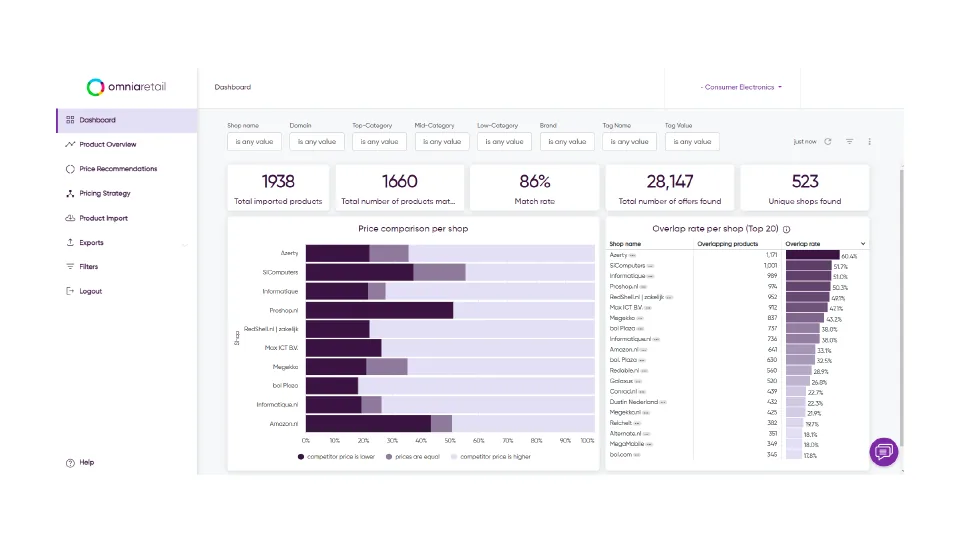
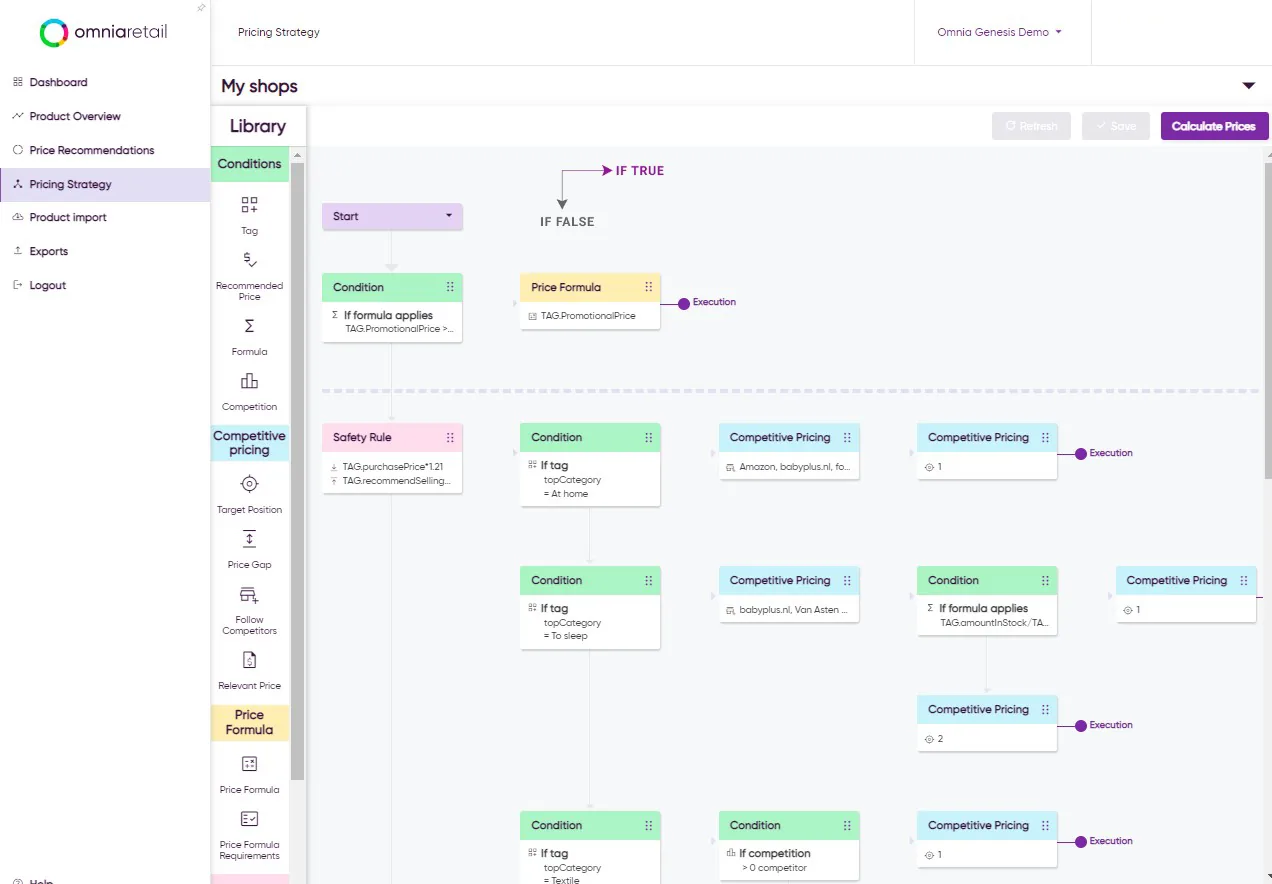
Pricing analysts draw a sharp line between general dynamic pricing and personalized pricing. While dynamic pricing monitors overall market conditions, product availability, and group demand trends, surveillance pricing monitors private browsing logs, location history, and personal traits to determine what an individual customer can afford [14], [16]. As Omnia Retail pointed out in an e-commerce strategy guide, charging two buyers different amounts for identical items based on hidden personal data quickly destroys customer trust [14]. E-commerce giants like Amazon update prices millions of times each day to match rivals, while publishers such as the Wall Street Journal bundle print and digital subscriptions [15]. Online marketplaces often expand their pricing software across fast-growing regions, including sectors tracked in the Southeast Asia digital economy forecast.
Time-based shifts remain common in public infrastructure. Power utilities rely on time-of-use tariffs to curb electric use during peak periods, and the San Francisco Bay Bridge charges higher tolls during busy weekday rush hours to manage traffic jams. Rates follow published timetables. Drivers know costs in advance, which helps commuters plan morning travel without facing unexpected surprises at the toll booth [15].
How Uber Dynamic Pricing Adjusts Trip Fares
The core software behind Uber dynamic pricing runs on continuous geographic mapping across urban neighborhoods. The company divides cities into small zones to evaluate rider requests against drivers logged into the app. When a rush of ride requests hits a specific area, the system applies a surge multiplier that raises base fares. Higher trip costs quickly restore network balance by curbing excess requests [1].
Surge pricing does far more than collect higher fares from riders who book trips during peak hours. The price bump serves as an immediate financial signal that redistributes cars throughout a city by showing drivers exactly where passenger demand is highest. Independent drivers waiting in quiet suburban neighborhoods see surge heat maps on their phones, which motivates them to drive into busy entertainment districts where payouts are substantially higher. This fast supply response reduces passenger curb wait times and prevents service shortages, helping ride-hailing networks avoid the vehicle gridlock that frequently paralyzes older taxi fleets during heavy rainstorms or subway outages. Cars quickly head toward the surge [1].
Engineers calibrate pricing software to adjust within minutes as new drivers arrive. As incoming cars pick up waiting passengers, queues shrink and fares drop back to baseline rates. If prices stay high for too long, riders switch to walking, subways, or rivals like Lyft and DiDi. Platform software relies on live feedback between driver locations and passenger taps [1].
Ride Matching in Uber Dynamic Pricing
In ride networks, Uber dynamic pricing works best when paired with smart dispatch routines. In a 2019 study published in Naval Research Logistics, authors C. Yan, H. Zhu, N. Korolko, and D. B. Woodard examined how ride-hailing apps combine dispatch algorithms with variable pricing to reduce passenger delays. Operational data from Uber showed that pairing dispatch rules with real-time fares improves passenger throughput in crowded cities [1].
The research highlighted a mechanism known as dynamic waiting, which Uber deployed in its Express Pool carpooling service to raise vehicle occupancy. Instead of dispatching a car the second a passenger taps the screen, the system introduces a brief delay and asks riders to walk a short distance to a nearby corner. By batching nearby requests over several minutes, the platform identifies shared routes that fill empty car seats while cutting down on circuitous detours. C. Yan and coauthors showed that combining variable pricing with dynamic waiting curbs wild fare swings, increases driver capacity utilization, and expands overall rider welfare across municipal transit corridors [1].
Dispatch logic proves that surge pricing alone cannot unclog crowded city streets. Matching systems must calculate vehicle transit times, walking routes, and road capacity to keep pickups dependable. When platforms batch shared trips alongside rate adjustments, fewer cars carry more travelers. That coordination keeps roads clearer and holds average fares closer to normal levels [1].
Why Surge Pricing Prompts Consumer Backlash
Despite economic logic, surge pricing often triggers public outrage. Writing in the Journal of the Academy of Marketing Science, authors Fei L. Weisstein, Kent B. Monroe, and Monika Kukar-Kinney showed that customer anger rises when buyers discover they paid more than someone else for the same service. Citing findings by M. C. Campbell, the authors showed that framing price differences as temporary discounts protects consumer trust. Sudden price hikes annoy buyers [3].
A sharp dispute broke out in February 2024 when fast-food chain Wendy’s discussed its digital plans on an investor call. Executives announced plans to invest in digital menu boards across United States locations to test dynamic pricing, day-part menus, and automated suggestive selling by 2025. News outlets described the move as Uber-style surge pricing for burgers, triggering calls for a boycott under the #BoycottWendys hashtag. Fast-food rival Burger King capitalized on the public anger by launching a promotional campaign called “No urge to surge” that offered discounted food. Writing in The Conversation, marketing professor Vivek Astvansh said that companies frequently preannounce pricing changes to impress stock investors, yet fail to anticipate predictable consumer hostility [6].
The Wendy’s controversy shows that consumer acceptance depends heavily on explanation. Astvansh said that Starbucks raised drink prices three times between October 2021 and February 2022 without serious controversy because executives linked increases to broader inflation. When price changes seem designed purely to boost corporate margins during busy meal hours, customers push back. Clear communication remains necessary whenever companies adjust rates dynamically [6].


Airline Lessons on Capacity and Welfare
Modern ride apps inherited their fare algorithms from commercial airlines. In a 2022 study in Econometrica, economist Kevin R. Williams analyzed airline flight data to evaluate how variable fares affect consumer welfare. Williams found that dynamic pricing helps leisure travelers who book early at low prices, while charging higher fares to business travelers who purchase tickets at the last minute [2].
While dynamic seat pricing fills planes and keeps seats open for emergency trips, it can damage customer goodwill. In a research paper cited by pricing consultant Dale Furtwengler in Retail Customer Experience, California Institute of Technology scholars R. Preston McAfee and Vera te Velde estimated that American Airlines adjusts up to 50,000 prices every single day. Furtwengler said that unpredictable pricing frustrates passengers by turning simple ticket purchases into tedious comparison hunts across rival websites. When booking becomes a headache, travelers often choose to drive rather than fly for regional trips under five hours [12].
In British football, league clubs have used similar dynamic ticket models to boost matchday stadium attendance. Teams like Cardiff, Bristol City, and Derby County adopted demand-based ticketing for Championship league matches. Derby operations chief John Vicars and Cardiff executive Julian Jenkins said that selling early tickets for £10 helped fill Pride Park, which previously averaged nearly 7,000 empty seats. Clear advance discounts help sports clubs attract new fans [10].
Digital Shelf Labels in Grocery Aisles
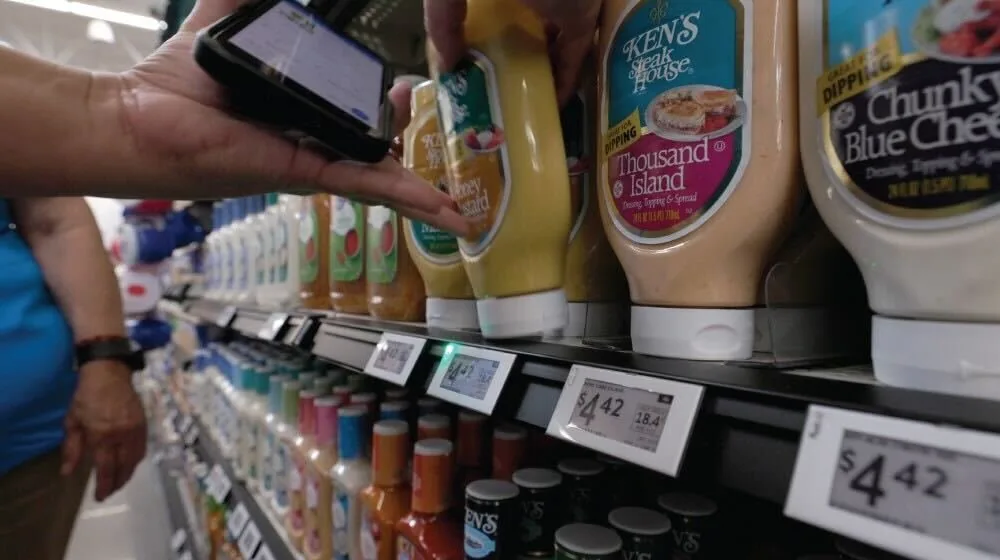
Automated pricing has now expanded into brick-and-mortar grocery stores. Reporting for Popular Science, journalist Mack DeGeurin documented how grocers are replacing paper tags with electronic shelf labels featuring wireless e-paper displays. In Hurst, Texas, Walmart store lead Daniela Boscan said that digital displays allow workers to update prices across 120,000 items in minutes, eliminating tasks that once took two days [5].
The rollout of digital price tags carries huge retail consequences because Walmart accounts for 23.6% of grocery sales in the United States and plans to install digital tags in 2,300 stores [5]. Writing in TechSpot, reporter Skye Jacobs said that Walmart obtained two patents for markdown optimization and demand forecasting engines [4]. Chains like Kroger, Schnucks, and Ahold Delhaize have also tested digital tags [5]. But labor organizations, including the United Food and Commercial Workers International Union, expressed concern over job cuts and price manipulation. In response, Maryland governor Wes Moore introduced the Protection from Predatory Pricing Act, while legislators in Pennsylvania and Minnesota proposed restrictions to prevent surge pricing on food staples [4].
Consumer advocates worry stores could adjust grocery prices during peak hours or raise water costs during summer heatwaves. Retailers also install security filters to block automated scrapers, as detailed in reports on bot defenses to block AI shopping agents. If shoppers feel grocery prices fluctuate while they walk down store aisles, customer trust will quickly erode [5].
Event Ticketing Under European Scrutiny
Live music ticketing has become a major flashpoint for algorithmic pricing regulation. When rock group Oasis launched ticket sales for their reunion tour, vendor Ticketmaster used dynamic pricing that pushed standard standing tickets from £135 to £350 in online queues. Fans who waited hours discovered that four tickets totaled £1,423.55, including £73.55 in service fees. The markup triggered an inquiry by the UK Competition and Markets Authority [7].
European officials quickly criticized Ticketmaster’s practices, arguing that dynamic ticket markups exploit emotional consumer demand for live music. Dutch lawmaker Lara Wolters in Brussels told reporters that ticketing platforms use private consumer data to extract excess profit rather than fill stadiums with passionate music lovers. The European Commission said it is examining variable pricing under its fitness check of consumer laws to determine whether altering prices during online checkout violates fair trading directives. In London, UK culture secretary Lisa Nandy announced official reviews to combat unfair ticket resale practices [7]. Over ten million fans had queued for UK dates, highlighting the massive scale of the ticketing frenzy [9].

Following the European ticketing uproar, Oasis management disabled dynamic pricing for subsequent concerts in North America and Australia [8], [9]. Promoters announced fixed prices for shows at Rogers Stadium in Toronto, Soldier Field in Chicago, and Rose Bowl Stadium in Los Angeles [8]. In Australia, promoters confirmed flat rates for shows at Melbourne Marvel Stadium and Sydney Accor Stadium [9]. Band management said that dynamic pricing created an unacceptable fan experience when combined with overwhelmed ticket software [8].
Legal Limits on Surveillance Pricing
Legislators are drawing clear legal boundaries between logistical pricing and invasive surveillance tools. While Uber dynamic pricing relies on aggregate passenger counts in specific neighborhoods, surveillance pricing tracks personal browsing data, zip codes, and past purchases to predict individual willingness to pay. Economists call this individualized price discrimination. American states including California, New York, Georgia, Ohio, and Illinois have drafted bills to outlaw personalized pricing [16].
International policymakers are taking firm steps to penalize companies that use personal data to manipulate digital prices. In Canada, Manitoba leader Wab Kinew supported Bill 49 to prohibit personalized pricing, while federal opposition figure Avi Lewis urged Liberal Party leader Mark Carney to enact nationwide bans on algorithmic price discrimination. In the United Kingdom, the Digital Markets, Competition and Consumers Act 2024 authorized regulators to fine firms up to 10% of global annual revenue for deceptive digital pricing [16]. Sudden fee increases also alienate subscribers in digital media, matching trends documented when rising costs drive gamers away from recurring gaming platforms.
As legal scrutiny mounts, businesses that use dynamic pricing must prove their systems benefit consumers. Uber dynamic pricing succeeded because surge fares solved a concrete physical problem by dispatching drivers to riders waiting in rainstorms [1]. But when algorithms hide prices or track personal traits, public trust collapses [6], [16]. Transparent pricing rules remain essential to keep algorithmic markets fair for everyday buyers [3].
- ACADEMIC JOURNAL Yan, C., Zhu, H., Korolko, N., & Woodard, D. B. (2019). Dynamic pricing and matching in ride-hailing platforms. Naval Research Logistics (NRL), 67(8), 705–724. [Article Link]
- ACADEMIC JOURNAL Williams, K. R. (2022). The Welfare Effects of Dynamic Pricing: Evidence from Airline Markets. Econometrica, 90(2), 831–858. [Article Link]
- ACADEMIC JOURNAL Weisstein, F. L., Monroe, K. B., & Kukar-Kinney, M. (2013). Effects of price framing on consumers’ perceptions of online dynamic pricing practices. Journal of the Academy of Marketing Science, 41(5), 501–514. [Article Link]
- ONLINE NEWS Jacobs, S. (2026). Walmart secures two AI pricing patents, raising dynamic pricing concerns. TechSpot. [Article Link]
- ONLINE NEWS DeGeurin, M. (2024). Digital price tags can change the cost of groceries 6 times per minute. Popular Science. [Article Link]
- ONLINE NEWS Astvansh, V. (2024). Wendy’s ‘surge pricing’ mess looks like a case study in stakeholder conflict. The Conversation. [Article Link]
- ONLINE NEWS Halliday, J. (2024). European Commission to examine Ticketmaster’s ‘dynamic pricing’. The Guardian. [Article Link]
- ONLINE NEWS Welch, C. (2024). Oasis won’t use Ticketmaster’s dynamic pricing for North America tour. The Verge. [Article Link]
- ONLINE NEWS Beaumont-Thomas, B., & Burke, K. (2024). Oasis expand reunion tour to Australia – and spare fans from dynamic ticket pricing. The Guardian. [Article Link]
- ONLINE NEWS Rostance, T. (2012). Price of Football: What is dynamic ticket pricing? BBC Sport. [Article Link]
- ONLINE NEWS Cummings, T. (2013). Everything you need to know about dynamic pricing. The Christian Science Monitor. [Article Link]
- WEBSITE Furtwengler, D. (2011). The perils of dynamic pricing: Lessons learned from the airline industry. Retail Customer Experience. [Article Link]
- ACADEMIC JOURNAL Ito, K., Ida, T., & Tanaka, M. (2018). Moral Suasion and Economic Incentives: Field Experimental Evidence from Energy Demand. American Economic Journal: Economic Policy, 10(1), 240–267. [Article Link]
- WEBSITE Omnia Retail. (2025). A Complete Guide to Dynamic Pricing in E-Commerce. Omnia Retail. [Article Link]
- WEBSITE Wikipedia contributors. (n.d.). Dynamic pricing. In Wikipedia, The Free Encyclopedia. [Article Link]
- WEBSITE Wikipedia contributors. (n.d.). Surveillance pricing. In Wikipedia, The Free Encyclopedia. [Article Link]
Cover image: Dllu / Wikimedia Commons, CC BY-SA 4.0


