





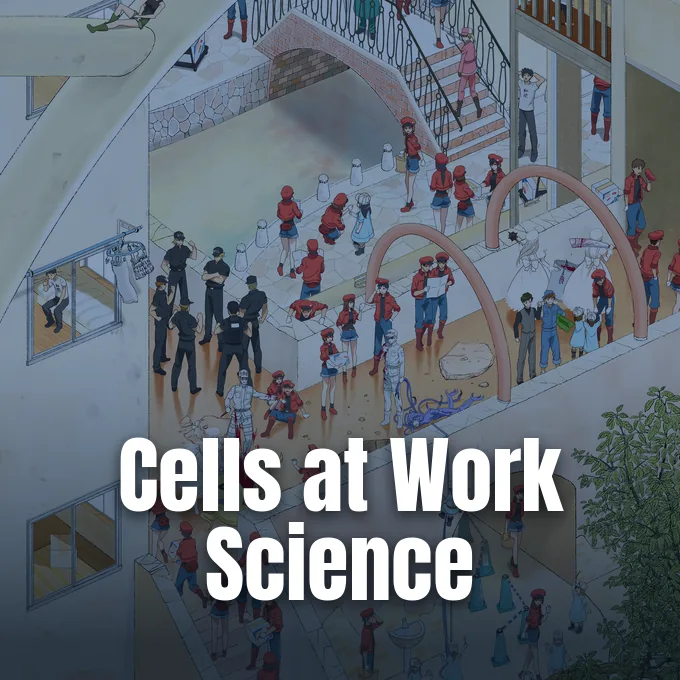
Akane Shimizu launched the manga Cells at Work! (Hataraku Saibō) in Kodansha’s Monthly Shonen Sirius in January 2015, earning a spot on the 2016 Kono Manga ga Sugoi! list after reaching 1.5 million copies in print. When david production adapted the comic into a television anime under director Kenichi Suzuki, known for JoJo’s Bizarre Adventure and Drifters, writer Yuuko Kakihara handled series composition after working on Tsuki ga Kirei and Persona 4 The Animation [6]. Medical educators took interest in how faithfully the adaptation followed genuine immunology and hematology. While personified cells wear human clothing and carry handheld weapons, the underlying biological mechanisms match established laboratory science. Readers evaluating Cells at Work accuracy discover an educational narrative that depicts real cellular cooperation without compromising scientific facts [10].
- Vascular Circulation and Cells at Work Accuracy
- Neutrophil Defense Against Bacterial Invaders
- Platelet Hemostasis During Vascular Injury
- Does Cells at Work Accuracy Hold in T Cell Activation?
- Macrophage Phagocytosis in Deep Tissue Cleanup
- How Anime Visualizations Aid Medical Classrooms
- Cells at Work Accuracy in Portraying Malignancy
- Artistic License and Clinical Limits
Vascular Circulation and Cells at Work Accuracy
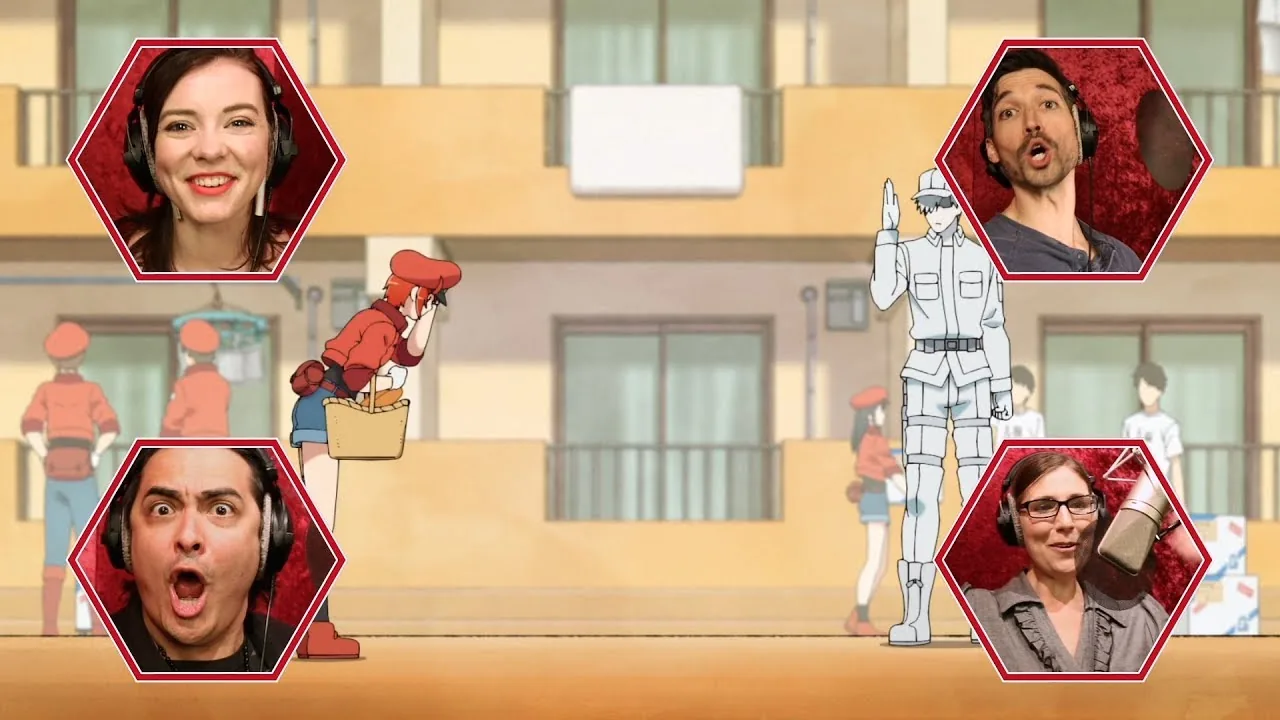
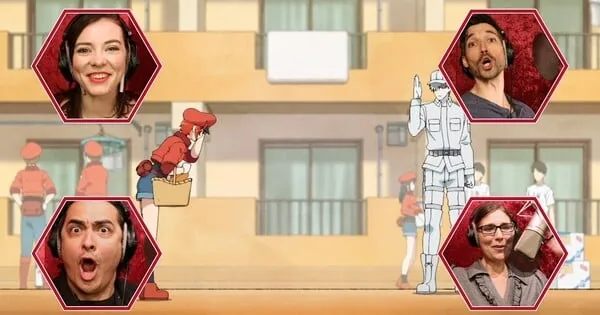
The human circulatory system operates through thousands of miles of blood vessels where erythrocytes constantly haul oxygen and carbon dioxide between lung alveoli and peripheral body tissues. In the anime, protagonist Red Blood Cell AE3803, voiced by Kana Hanazawa in Japanese and Cherami Leigh in the English dub, runs through labyrinthine vascular corridors pushing cardboard delivery boxes. Shimizu’s comical portrayal of a rookie worker losing her way mirrors the physical complexity of traversing capillary networks. Real human erythrocytes lack nuclei at maturity, which gives them a biconcave shape optimized for carrying respiratory gases through tight microvascular spaces [10]. Evaluating Cells at Work accuracy in vascular transport reveals how well the show captures this continuous cellular journey [3].
Research examining blood flow shows that students often struggle to visualize how discrete cellular components interact within moving fluid. In an educational study on circulation learning, T. Aprianingsih and colleagues observed that animated characters in Cells at Work! made vascular transport easier for learners to grasp. The researchers said connecting specific physiological roles with distinctive visual uniforms allowed students to follow systemic circulation without getting lost in diagrams. When learners watch delivery workers navigating cardiac chambers, gas exchange becomes concrete and memorable [3].
Pedagogical research aligns with reporting on how human biology keeps Cells at Work accurate during daily bodily maintenance. Kodansha Comics said in its English story description that an average body relies on trillions of cells working around the clock [6]. Aniplex of America later cited roughly 37.2 trillion cells working 24 hours a day and 365 days a year [7].
Neutrophil Defense Against Bacterial Invaders
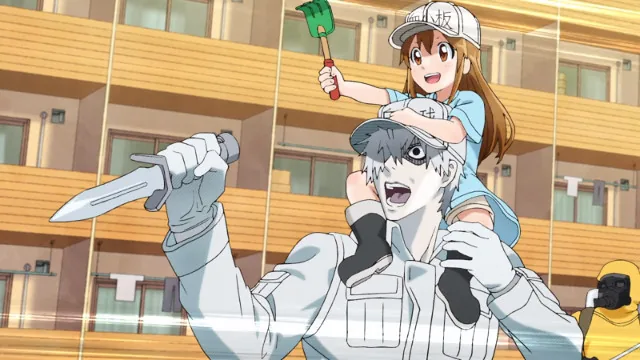
When pathogens break through skin or mucous membranes, neutrophils serve as the immune system’s most abundant first responders. In Shimizu’s narrative, White Blood Cell (Neutrophil U-1146), voiced by Tomoaki Maeno in Japanese and Billy Kametz in English, tracks bacterial intruders with quiet focus. His pale uniform and receptor sensor mirror chemotaxis, guiding him swiftly toward chemical signals released by microbes [10].
Neutrophil engulfment mirrors real phagocytosis, the cellular mechanism where white blood cells internalize and digest harmful bacteria using hydrolytic enzymes stored in cytoplasmic granules. Neutrophils don’t survive long after swallowing foreign microbes, which explains why tissue infections produce pus composed largely of spent white blood cells. The series portrays that brief functional lifespan by showing neutrophils throwing themselves into battle against pneumococcus and other bacterial invaders. While the anime gives U-1146 physical blades for visual excitement, the underlying sequence of pathogen detection, migration through blood vessel walls, and engulfment follows standard hematology. The story shows how the body sacrifices individual cells to protect the host organism from invasive harm [10].
The production staff at david production took deliberate steps to ground these microbial battles in authentic microbiological behavior. Takahiko Yoshida, who designed the characters and served as chief animation director, worked with cell character designer Kenta Mimuro to give each pathogen recognizable structural traits [6]. Invaders like Streptococcus pneumoniae appear as armored brutes, whereas eosinophils handle parasitic threats such as Anisakis that larger neutrophils can’t eliminate alone. This division of immunological labor shows that neutrophil specialization serves real defensive roles [10].
Platelet Hemostasis During Vascular Injury
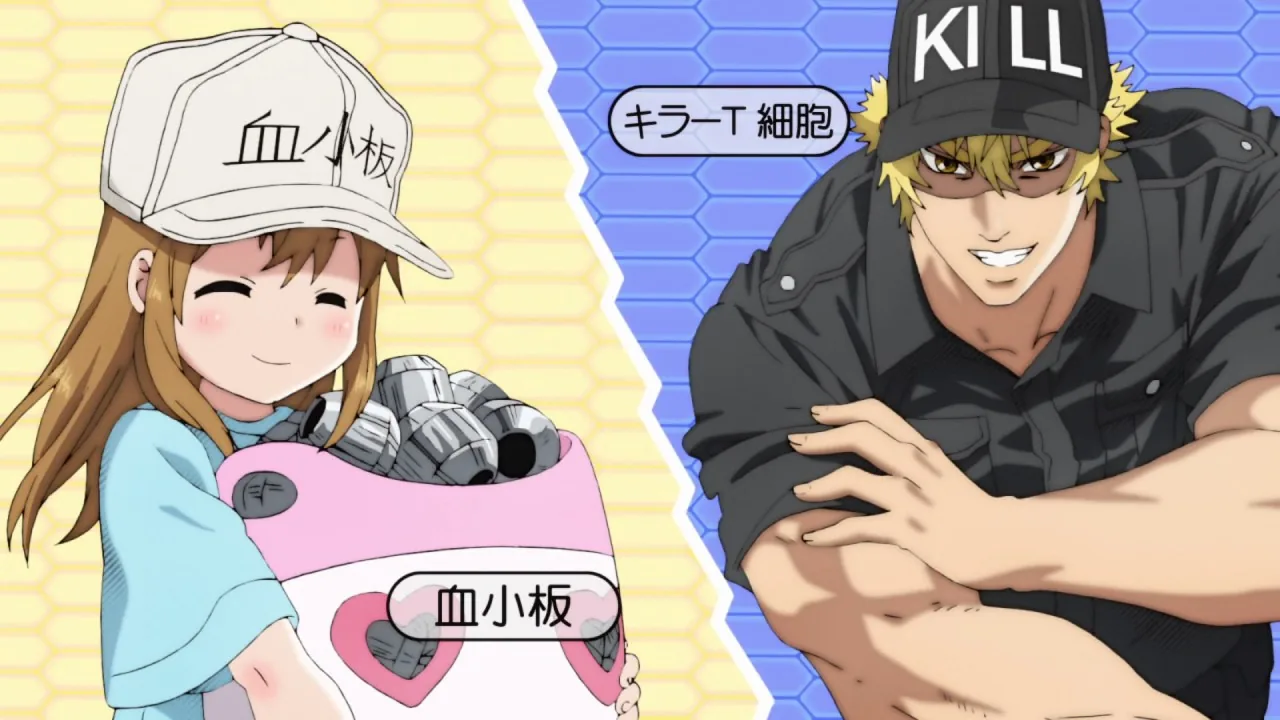
Among the most popular figures in the adaptation are the platelets, depicted as small kindergarten children wearing light blue work shirts and caps. Maria Naganawa voiced the primary platelet leader in Japanese, while Xanthe Huynh provided her voice for the English release directed by Christian La Monte [7]. While portraying clotting agents as gentle toddlers amused audiences, the design choice rests on sound physiological logic. In genuine human blood, platelets are not complete cells but tiny cell fragments pinched off from bone marrow megakaryocytes, making them significantly smaller than red or white blood cells. Their miniature size in the show directly matches that cellular reality, giving viewers an accurate sense of anatomical scale [10].
When a cut punctures a vessel wall, these miniature workers rush to the site carrying yellow danger tape and construction nets. Yellow hazard tape and nets represent coagulation factors, von Willebrand factor, and fibrin strands that weave together to form a stable hemostatic plug. Without such rapid aggregation, continuous hemorrhage would quickly deplete circulatory volume. The anime depicts them coordinating their tasks through whistles and teamwork, which mirrors how biochemical cascades activate platelet surface receptors and prompt them to bind firmly across damaged endothelium [10].

In an academic analysis of media adaptations, H. A. B. Cintya and coauthors said that Cells at Work! successfully maps abstract biological functions onto relatable collaborative tasks. Instead of memorizing static clotting diagrams, students watch platelets trap wandering erythrocytes. The staging gives learners an intuitive foundation before they tackle fibrin polymerization in advanced biology coursework [1].
Does Cells at Work Accuracy Hold in T Cell Activation?
The adaptive immune system needs far more selective coordination than the rapid frontline skirmishes led by neutrophils. In the anime, Killer T Cells operate as focused soldiers under a drill sergeant voiced by Daisuke Ono in Japanese and Robbie Daymond in English [7]. How does this military metaphor align with molecular immunology? Real cytotoxic lymphocytes must undergo rigorous selection in the thymus so they don’t attack healthy host tissues [10].
In an immunological review on T cell activation, A. P. Jurgens, B. Popović, and M. C. Wolkers said that resting T cells remain quiescent until they receive precise stimulus from antigen-presenting cells. Once triggered, these cells undergo extensive metabolic reprogramming and selective translation, producing ample amounts of perforins and granzymes to eliminate infected targets [4]. The onscreen sequence matches the anime’s depiction where Dendritic Cell, voiced by Griffin Burns in the dub, shows photographs of past encounters to stimulate timid Naive T Cells into Effector T Cells [7]. Examining Cells at Work accuracy during lymphocyte activation reveals how closely this transformation follows molecular signaling pathways [4].
Helper T Cell, voiced by Takahiro Sakurai and Ray Chase, serves as the division commander directing battlefield operations from a headquarters desk. His administrative post captures the authentic role of CD4 helper cells, which release cytokines to orchestrate B cell antibody secretion and cytotoxic responses. Meanwhile, Regulatory T Cell mediates the intensity of those responses so the immune system avoids autoimmune destruction. By showing how uninhibited T cell proliferation leads to bystander damage, the anime reinforces adaptive immune regulation through character rivalries [10].
Macrophage Phagocytosis in Deep Tissue Cleanup
Macrophage characters in the series present an amusing paradox by dressing as gentle Victorian maids carrying massive blunt weapons and cleavers. Kikuko Inoue provided their Japanese voice, while Laura Post played the character in the English dub adaptation [7]. Despite their pleasant smiles and tea parties, these cells destroy invading bacteria with astonishing force. In genuine histology, macrophages are large, long-lived phagocytic white blood cells that inhabit tissues throughout the body, clearing cellular debris, spent red blood cells, and microbial invaders with equal vigor. They also engulf foreign particulate matter that enters through the respiratory tract, keeping lung alveoli clean and functional [10].
The series also introduces an insightful visual distinction between mature macrophages and circulating monocytes. When moving inside bloodstream vessels, macrophages wear bulky hazmat suits and identify as monocytes, shedding their gear only after entering deeper tissues. The protective hazmat gear represents diapedesis and cellular differentiation, where circulating monocytes exit blood vessels through endothelial gaps to transform into specialized tissue macrophages. Medical students who watch the show gain an immediate visual anchor for understanding how precursor cells mature in target organs [10].
In the bone marrow, macrophages also nurse developing erythroblasts, mirroring genuine erythroblastic islands where central nurse macrophages supply iron and ingest expelled nuclei. Shimizu based these nurturing duties on real histology rather than emotional charm. Real nurse cells sustain young red blood cells before releasing them into circulation, validating macrophage histology in the comic [10].
How Anime Visualizations Aid Medical Classrooms
The pedagogical value of Cells at Work! extends far beyond casual anime fandom into formal biology education. In an analytical study examining anime as a teaching tool, I. Iwasaki said that multimedia narratives help students confront anxiety around biological illness by presenting physiological defense mechanisms in an approachable format. Learners see an interconnected community where individual cells work together to preserve the host [2].
Research on media integration confirms that animated narratives provide accessible gateways into advanced life sciences. H. A. B. Cintya and colleagues documented how Kodansha expanded the original manga into multiple educational formats, including children’s picture books and interactive stage plays. While diverse adaptations run the risk of introducing narrative ambiguities, they also let teachers tailor scientific content to specific age groups. Younger audiences connect with playful platelet antics, while advanced students examine antigen processing and cytokine signaling portrayed during battle sequences. Classroom observations of Cells at Work accuracy confirm that multimedia narratives reinforce biological retention across multiple learning styles [1].
The success of the series prompted Aniplex of America to commission a full English dub produced by Christian La Monte with script adaptation by Blair Rowan [7]. Oprainfall reported that the home video release included all 13 television episodes and the special episode for $140 on Blu-ray. English voice director Wendee Lee supervised the dubbed opening song “Mission! Health Comes First!”, sung by Cherami Leigh, Billie Kametz, Robbie Daymond, and Laura Post [8].
Cells at Work Accuracy in Portraying Malignancy
One of the most discussed arcs in the anime involves the appearance of Cancer Cell, an antagonistic figure voiced by Akira Ishida in Japanese and Khoi Dao in the English dub. Born from a copying error during normal cell division, Cancer Cell doesn’t view himself as an evil invader, but as a tragic outcast targeted for destruction simply for being born deformed. Shimizu’s sympathetic framing matches carcinogenesis, where healthy host cells accumulate genetic mutations that disrupt normal cell-division cycle controls. Discussions of Cells at Work accuracy in oncology praise how the narrative illustrates that cancer arises from the body’s own damaged cellular machinery rather than foreign pathogens [10].
To understand how malignancy emerges, researchers look closely at cell cycle regulation. The Nobel Assembly at Karolinska Institutet awarded the 2001 Nobel Prize in Physiology or Medicine to Leland H. Hartwell (born 1939), Paul Nurse, and Timothy Hunt for discovering key regulators of the cell cycle. Hartwell identified cell division cycle genes, including CDC28, and established the concept of checkpoints that halt cell progression when DNA suffers damage. Nurse discovered CDK molecules that drive progression through reversible phosphorylation, while Hunt discovered cyclins that degrade periodically to regulate CDK activity [9].
When checkpoints fail during interphase, uninhibited mitosis allows aberrant cells to proliferate and evade apoptosis [11]. In adult skeletal muscle, satellite cells remain in quiescent G0 phase until signaling pathways trigger regeneration [5]. In cancer, mutated cells ignore regulatory stop signals. The anime depicts Cancer Cell tricking NK Cell and Killer T Cells, presenting an accurate metaphor for immune evasion pathways in clinical oncology [10].
Artistic License and Clinical Limits
While the biological fidelity of the show remains high, the creators introduced dramatic liberties to sustain an entertaining narrative. In real human physiology, cells don’t possess human personalities, gender identities, or martial arts weaponry. Erythrocytes don’t navigate physical streets with handcarts, and phagocytes don’t engage in verbal banter with invading bacteria. Human tissue contains biochemical gradients rather than urban plumbing, meaning reactions depend on chemical equilibrium rather than foot travel [10].
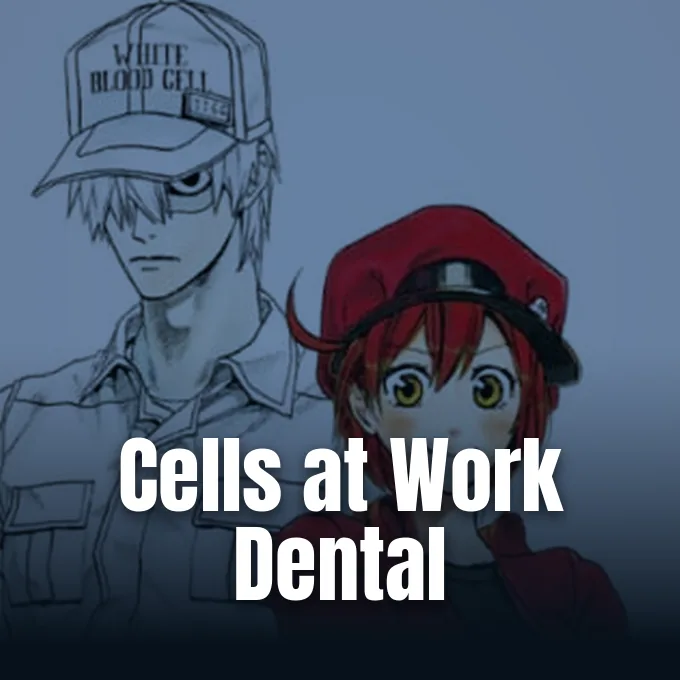
Some viewers might also assume that every immunological event unfolds in isolation, whereas real immune responses involve overlapping signaling networks with high biochemical redundancy. In genuine allergic reactions, Mast Cell releases histamine that causes vascular permeability, but the comic dramatizes her actions through an exaggerated neurotic personality consulting a rigid manual [10]. Kodansha subsequently explored broader physiological conditions by commissioning Cells at Work dental spinoff manga, while Haruyuki Kichida launched Hataraku Saikin (Bacteria at Work) and Moe Sugimoto created Hatarakanai Saibō (Cells That Don’t Work) [6]. Kodansha also published Cells at Work! Code Black, written by Shigemitsu Harada and illustrated by Issei Hatsuyoshi, to portray an unhealthy body suffering from chronic stress [10].
Newer spinoff storylines show that the original work established a versatile educational paradigm capable of illustrating both healthy homeostasis and chronic illness. By striking a thoughtful balance between playful anthropomorphism and anatomical facts, the franchise demystifies the unseen workings of our internal biology. Ultimately, Cells at Work accuracy succeeds because it transforms microscopic anatomy into relatable human drama, making cellular defense mechanisms accessible to curious learners everywhere [10].
- ACADEMIC JOURNAL Cintya, H. A. B., Mansoor, A. Z., & Ahmad, H. A. (2021). Cells at Work: Media Integration Mapping. ULTIMART Jurnal Komunikasi Visual, 14(1), 89-106. [Article Link]
- ACADEMIC JOURNAL Iwasaki, I. (2021). Existentialism and Death Education in Anime: A Micro and Macro Analysis of Cells at Work!. The Journal of Anime and Manga Studies, 2, 155-184. [Article Link]
- ACADEMIC JOURNAL Aprianingsih, T., Puspitasari, W. D., Setianingsih, D. R., & Ismawati, R. (2022). Pemanfaatan Anime Cells at Work sebagai Media Pembelajaran Tentang Peredaran Darah Manusia. Natural Science/Natural science, 8(1), 67-71. [Article Link]
- ACADEMIC JOURNAL Jurgens, A. P., Popović, B., & Wolkers, M. C. (2021). T cells at work: How post‐transcriptional mechanisms control T cell homeostasis and activation. European Journal of Immunology, 51(9), 2178-2187. [Article Link]
- ACADEMIC JOURNAL Schmidt, M., Schüler, S. C., Hüttner, S. S., Eyß, B. v., & Maltzahn, J. v. (2019). Adult stem cells at work: regenerating skeletal muscle. Cellular and Molecular Life Sciences, 76(13), 2559-2570. [Article Link]
- ONLINE NEWS Pineda, R. A. (2018, January 25). Cells at Work! TV Anime Stars Tomoaki Maeno, Kana Hanazawa. Anime News Network. [Article Link]
- ONLINE NEWS Sherman, J. (2019, May 17). Aniplex of America Reveals Cells at Work! Anime’s English Dub Cast, BD Release. Anime News Network. [Article Link]
- ONLINE NEWS Aguda, P. (2019, May 17). Cells at Work! Heading to BD with English Dub, English Opening Shown. Oprainfall. [Article Link]
- PRESS RELEASE Nobel Assembly at Karolinska Institutet. (2001, October 8). The Nobel Prize in Physiology or Medicine 2001. NobelPrize.org. [Article Link]
- WEBSITE Wikipedia contributors. (n.d.). Cells at Work!. Wikipedia, The Free Encyclopedia. [Article Link]
- WEBSITE Wikipedia contributors. (n.d.). Cell cycle. Wikipedia, The Free Encyclopedia. [Article Link]


