





Understanding how antibiotics work inside living tissue reveals the biological machinery that cures deadly bacterial infections while keeping human cells safe. These medical compounds stop essential micro processes such as cell wall building, protein assembly, and genetic copying, killing germs outright or pausing growth until human immune cells finish clearing the threat [10]. Doctors group these drugs into bactericidal agents that destroy cells and bacteriostatic agents that halt cellular division. While hospitals depend on these drugs during major organ transplants and cancer treatments, drug success depends on molecular targets found only in bacteria [7].
- How Antibiotics Work in Modern Medicine
- Peptidoglycan Cell Wall Disruption
- Protein Synthesis Inhibitors
- Soil Ecology and How Antibiotics Work in Nature
- Secondary Effects on the Gut Microbiome
- Evolutionary Drivers of Drug Resistance
- Clinical Costs of Multi-Drug Pathogens
- Vaccines and How Antibiotics Work in Prevention
How Antibiotics Work in Modern Medicine
The scientific concept behind how antibiotics work took shape in the late 1880s when German scientist Paul Ehrlich proposed using synthetic chemical dyes to attack disease microbes without harming host organs. French researcher Jean Paul Vuillemin coined the word antibiosis in 1877. That same year in Germany, Louis Pasteur and Robert Koch saw an airborne bacillus stop the growth of Bacillus anthracis in culture dishes. Modern antibacterial drug design advanced in 1932 when Gerhard Domagk and his chemistry team at the Bayer Laboratories of IG Farben created Prontosil, the first active sulfa drug. In 1928, Scottish doctor Alexander Fleming discovered penicillin in London after spotting clear rings of dead bacteria around mold colonies, and Rutgers researcher Selman Waksman later introduced the word antibiotic in 1942 [10].
Doctors choose drugs through careful laboratory tests. When a bug remains unknown, clinics give broad pills before shifting to narrow drugs once lab tests isolate the exact strain. Narrow drugs cut costs and spare harmless microbes. Minor skin issues need simple creams, but severe blood infections require intravenous drips in hospital wards [10].
Health data confirms that modern antimicrobials extended average human life expectancy by 23 years across the twentieth century [1]. David Livermore, former lab director at the Health Protection Agency in London, noted that his grandmother died in 1945 from blood poisoning after a routine appendix operation. Modern procedures like hip replacements, cancer chemotherapy, and organ transplants rely on effective drugs. Without working medicines, simple cuts and small operations turn deadly [7].
Peptidoglycan Cell Wall Disruption
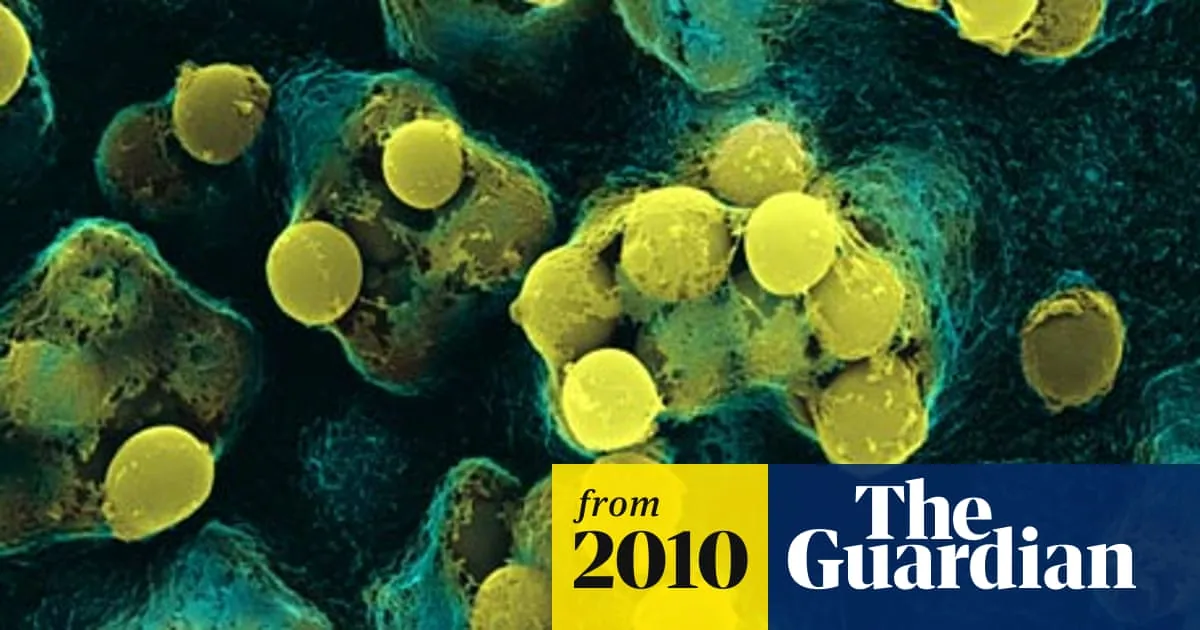
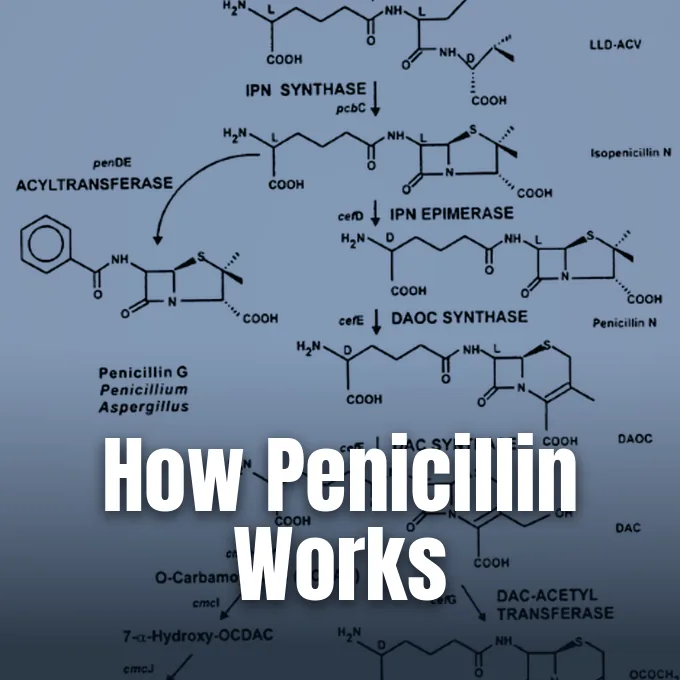
Bacteria rely on peptidoglycan. This rigid envelope blends alternating sugar polymers with short peptide bridges, creating a tough outer shell that prevents internal osmotic pressure from bursting the fragile microbial cell. The β-lactam family includes penicillins, cephalosporins, monobactams, and carbapenems. By presenting a four-membered ring that mimics the terminal d-alanyl-d-alanine sequence on growing peptidoglycan units, these drugs dock straight into the catalytic pocket of bacterial DD-transpeptidases (penicillin-binding proteins or PBPs) and block the vital transpeptidation reaction. Wall synthesis stops [11].
Inside the enzyme pocket, the drug binds the Ser62 amino acid to block wall repair. Research tracking how antibiotics work against bacterial cell walls shows that stalled building blocks turn on autolysin enzymes, as documented in studies on how penicillin works against bacterial cell walls during active infection. Autolysins digest the remaining mesh without new wall to replace it. The cell bursts under water pressure [11].
Chemists measure drug power through two physical benchmarks known as Woodward’s parameter and Cohen’s parameter. Woodward’s parameter tracks the pyramid height of the nitrogen atom in the central ring, where taller pyramids break open faster to attack target enzymes. Cohen’s parameter measures the exact distance between the ring carbon and oxygen atoms to predict enzyme fit [11]. In soil bacteria like Streptomyces clavuligerus, natural enzymes assemble these rings to fight rival microbes [4].
Protein Synthesis Inhibitors
Many clinical drugs stop bacteria by shutting down protein factories inside the cell cytoplasm. Bacterial ribosomes hold a small 30S part and a larger 50S part that unite into a 70S unit, built differently from human ribosomes. Tetracyclines latch onto the 30S subunit, physically blocking transfer RNA from delivering fresh amino acids to the growing peptide chain. Without new proteins, bacteria cannot build structural enzymes or duplicate their internal components. This pauses bacterial growth, giving human white blood cells time to engulf and destroy the stalled invaders. Other drug classes bind the 50S subunit to stop peptide bonds from forming [10].
By locking directly onto bacterial DNA gyrase and topoisomerase IV enzymes during cellular replication, synthetic quinolones such as ciprofloxacin disrupt chromosome separation and trigger fatal double-strand DNA fractures inside dividing bacterial cells. Nalidixic acid was the first. Later developments added fluorine atoms to produce broad-spectrum fluoroquinolones, while modern fourth-generation agents expand therapeutic coverage to stubborn anaerobic bacteria in clinical environments. Bacterial chromosomes shatter completely [12].
While fluoroquinolones penetrate thick bacterial slime in catheter biofilms, safety agencies restrict their use. In pediatric clinical trials with 712 children suffering from lung infections, levofloxacin caused severe side effects in 6% of young patients compared to 4% on other medicines. Between 2005 and 2008, United States pharmacies filled 130,000 levofloxacin prescriptions for children. British coroners reported patient suicides linked to ciprofloxacin side effects, prompting United Kingdom regulators to restrict fluoroquinolone prescriptions to severe illness [12].
Soil Ecology and How Antibiotics Work in Nature
Soil actinomycetes like Streptomyces produce specialized chemical metabolites. When released at low, sub-inhibitory concentrations among dense underground root zones, these natural compounds act as biological communication signals that regulate microbial biofilm construction and orchestrate population-wide quorum sensing between competing species [7]. Producing cells survive. They deploy active membrane export pumps and altered enzyme targets to avoid chemical self-destruction [14]. Understanding how antibiotics work in outdoor soil confirms that chemical warfare evolved long before human hospitals existed [7].
Ancient human bones prove people consumed natural antibiotics thousands of years ago. Bioarcheologist George Armelagos from Emory University found tetracycline inside skeletons from Sudanese Nubia dating between 350 and 550 CE. Paratek Pharmaceuticals chemist Mark Nelson dissolved these bone samples in dangerous hydrogen fluoride acid to extract the drug. Tests proved the bones of a 4-year-old child were full of tetracycline [2].
Armelagos said: “It’s becoming increasingly clear that this prehistoric population was using empirical evidence to develop therapeutic agents. I have no doubt that they knew what they were doing.” The Nubians brewed beer from grain containing Streptomyces, producing a yellow crust rich in tetracycline. When scientists found the first modern tetracycline in 1948, they named it aureomycin after the Latin word for gold [2]. Historical texts show ancient doctors in Egypt and Jordan used beer to treat gum disease, while English herbalist John Parkinson noted mold cures between 1567 and 1650 [10].

Secondary Effects on the Gut Microbiome
Understanding how antibiotics work also means examining their collateral damage on beneficial human microbes. Broad oral pills do not discriminate between illness-causing invaders and healthy gut flora that digest meals and train the immune system. When oral drugs enter the bowel, they wipe out harmless intestinal colonies and slash microbial diversity. This sudden loss leaves vacant space along the gut lining. Without friendly bacteria to crowd them out, opportunistic germs multiply fast, causing watery stools, stomach pain, bloating, and dehydration. While mild stomach upset fades once pills stop, serious flora loss harms digestive balance for months [13].
The worst danger from damaged gut flora is Clostridioides difficile, a toxic microbe causing severe colon inflammation. Yeast like Candida also blooms on mucosal tissues [10]. Doctors recommend eating yogurt or taking probiotic pills to restore gut balance during drug therapy [13]. Studies exploring microbiome insights from gut profiling demonstrate how shifts in intestinal bacteria weaken systemic body defenses [10].
Certain drug groups also cause cellular stress by damaging human mitochondria, ancient organelles that evolved from bacteria. Fluoroquinolones cause mitochondrial oxidative stress that triggers joint and nerve pain. Most standard antibiotics do not interfere with birth control pills, keeping failure rates near 1%, but tuberculosis drugs like rifampicin speed up hormone breakdown in liver cells. Doctors check existing prescriptions before choosing an antibiotic to prevent harmful drug clashes in vulnerable patients [10].
Evolutionary Drivers of Drug Resistance
Tracking how antibiotics work across global populations highlights the rapid rise of resistant superbugs. A global sales study led by Eili Klein at the Center for Disease Dynamics, Economics and Policy in Washington DC reviewed antibiotic use in 76 nations from 2000 to 2015. Global drug use surged by 65% over that period, driven by rising incomes and greater pill access across developing regions. In low- and middle-income countries, daily doses per 1,000 people jumped 77% from 7.6 to 13.5 doses. In high-income nations, pill use fell 4% to 25.7 doses per 1,000 people, proving rich countries still take far more medicine [3].
Bacteria share defense genes using small DNA loops called plasmids. In November 2015, British and Chinese scientists discovered the mcr-1 gene on a plasmid giving resistance to colistin, a toxic old drug reserved for desperate cases. Heavy colistin feeding in farm animals drove this resistance. In May 2016, Walter Reed Army Institute of Research scientists in Maryland found the mcr-1 gene in a Pennsylvania woman with a urinary tract infection. Lance Price from George Washington University Milken Institute School of Public Health warned: “Then it’s a royal flush—the infection has an unbeatable hand.” [8]
Resistance spreads rapidly when municipal sanitation fails. Professor Tim Walsh discovered the NDM-1 gene, which shields Klebsiella pneumoniae against powerful carbapenems. Research tracking factors beyond antibiotic use driving the emergence of superbugs shows that polluted water spreads resistant germs through communities in India. When bugs carry multiple plasmids, hospital doctors run out of curative options [7].
Clinical Costs of Multi-Drug Pathogens
The loss of working antibiotics carries devastating human and economic costs for healthcare systems around the globe. Worldwide medical data reveals that drug-resistant bacterial infections caused 1.27 million deaths in 2019 and contributed to nearly 5 million fatalities [10]. In Europe and the United States, superbugs kill over 50,000 people each year. A British economic report prepared for prime minister David Cameron in 2014 warned that resistant microbes could kill 10 million people yearly by 2050 if left unchecked. Dame Sally Davies, former chief medical officer for England, placed antimicrobial resistance on the national risk register of civil emergencies, warning of an apocalyptic future where simple infections kill [6].
Excessive prescribing in primary care clinics accelerates bacterial resistance. Public Health England discovered that while only 13% of sore throat patients needed antibiotics, general practitioners prescribed them to 59% of visitors. Health officials found that one-fifth of all cough and cold prescriptions were unnecessary. Antibiotics cannot cure viral colds [6].

Widespread confusion among patients fuels inappropriate pill demand. A World Health Organization survey of nearly 10,000 adults in 12 countries found that 76% of people wrongly believed that human bodies become resistant rather than bacteria. In that poll, 64% thought antibiotics cure viruses, and 32% thought patients could quit pills once they felt better. Former WHO Director-General Margaret Chan warned: “The rise of antibiotic resistance is a global health crisis.” Public education remains crucial to stop patients from demanding unneeded pills [9].
Vaccines and How Antibiotics Work in Prevention
Public health leaders emphasize that protecting how antibiotics work requires stopping bacterial illnesses before patients need pills. A 2024 report from the World Health Organization shows that expanding vaccines against 23 bacterial and viral pathogens could cut global antibiotic use by 22%, saving 2.5 billion daily doses each year. Vaccinated people avoid initial illnesses and secondary bacterial complications that lead to hospital admissions. WHO Director-General Dr Tedros Adhanom Ghebreyesus stated: “Addressing antimicrobial resistance starts with preventing infections, and vaccines are among the most powerful tools for doing that.” Cutting infections at the source preserves precious drug stocks for emergencies [5].
Vaccine campaigns save millions of antibiotic doses worldwide. Vaccinating 90% of children against Streptococcus pneumoniae under the Immunization Agenda 2030 could save 33 million doses. Typhoid shots could save 45 million doses and prevent thousands of deaths. New tuberculosis vaccines could save up to 1.9 billion doses annually [5].
Rolling out vaccines against target pathogens would save a third of the estimated US$ 730 billion spent each year treating resistant infections in hospitals. At the 79th United Nations General Assembly in September 2024, world leaders pledged to cut human deaths from bacterial resistance by 10% by 2030. Combining vaccines with clean drinking water and strict drug controls protects modern medical care [5]. Understanding how antibiotics work reminds doctors and patients that these miracle drugs are a finite global resource that must be handled with care [9].
- ACADEMIC JOURNAL Hutchings, M. I., Truman, A. W., & Wilkinson, B. (2019). Antibiotics: past, present and future. Current Opinion in Microbiology, 51, 72-80. [Article Link]
- ACADEMIC JOURNAL Nelson, M. L., Dinardo, A., Hochberg, J., & Armelagos, G. J. (2010). Brief communication: Mass spectroscopic characterization of tetracycline in the skeletal remains of an ancient population from Sudanese Nubia 350–550 CE. American Journal of Physical Anthropology, 143(1), 151-154. [Article Link]
- ACADEMIC JOURNAL Klein, E. Y., Van Boeckel, T. P., Martinez, E. M., Pant, S., Gandra, S., Levin, S. A., Goossens, H., & Laxminarayan, R. (2018). Global increase and geographic convergence in antibiotic consumption between 2000 and 2015. Proceedings of the National Academy of Sciences, 115(15). [Article Link]
- ACADEMIC JOURNAL Tahlan, K., & Jensen, S. E. (2013). Origins of the β-lactam rings in natural products. The Journal of Antibiotics, 66, 401-421. [Article Link]
- PRESS RELEASE World Health Organization. (2024). Better use of vaccines could reduce antibiotic use by 2.5 billion doses annually, says WHO. [Article Link]
- ONLINE NEWS Sample, I. (2018). Calls to rein in antibiotic use after study shows 65% increase worldwide. The Guardian. [Article Link]
- ONLINE NEWS Boseley, S. (2010). Are you ready for a world without antibiotics? The Guardian. [Article Link]
- ONLINE NEWS Moyer, M. W. (2016). Dangerous New Antibiotic-Resistant Bacteria Reach U.S. Scientific American. [Article Link]
- ONLINE NEWS Brooks, M. (2015). Public Confused About Antibiotic Resistance, WHO Says. Medscape. [Article Link]
- WEBSITE Wikipedia. Antibiotic. [Article Link]
- WEBSITE Wikipedia. Β-Lactam antibiotic. [Article Link]
- WEBSITE Wikipedia. Quinolone antibiotic. [Article Link]
- WEBSITE Best Natural Remedies. (2023). Antibiotic associated Diarrhea. [Article Link]
- ACADEMIC JOURNAL Cundliffe, E., & Demain, A. L. (2010). Avoidance of suicide in antibiotic-producing microbes. Journal of Industrial Microbiology & Biotechnology, 37(7), 643-672. [Article Link]


