





CRISPR Cas9 functions as an adaptable molecular tool that lets scientists alter DNA sequences inside living cells by cutting both strands of the genetic code at selected target sites. Adapted from an ancient defense mechanism found in bacteria, the technology pairs a guide RNA strand with a cutting enzyme to locate target genes with high accuracy. Early gene-editing methods took months of protein engineering to reach a single genetic locus. In contrast, this RNA-guided approach relies on short nucleic acid sequences that laboratories can synthesize with modest equipment and low costs [13].
What Is CRISPR Cas9?
The term CRISPR stands for clustered regularly interspaced short palindromic repeats, describing repeating segments of microbial DNA separated by unique spacer units acquired from past bacteriophage invaders. Bacteria store these viral codes to recognize future enemies [13]. When paired with the Cas9 endonuclease from Streptococcus pyogenes, these transcribed RNA strands guide the enzyme across the genome to inspect cellular DNA for matching nucleotide letters [6]. The enzyme acts as a pair of programmable genetic scissors that unwinds the double helix and cuts both phosphodiester backbones at a targeted position [7]. Older tools like zinc finger nucleases and TALENs required teams to engineer custom proteins for each genomic site, but Cas9 relies on a simple synthetic guide RNA to redirect its cut. Using RNA guides cut experimental design time from months to days [13].
Biologists use these double-strand breaks to introduce two major categories of genetic modifications in nucleated cells [13]. In gene knockouts, the cell repairs the cut chromosome through non-homologous end joining, an error-prone pathway that often deletes or inserts random nucleotides to disable a harmful gene [15]. In gene knock-ins, researchers provide an added donor DNA template to drive repair through homology-directed repair. Homology-directed repair incorporates the donor code directly into the cut site, allowing researchers to insert functional genes into living chromosomes [13].
Dual repair pathways give researchers flexible tools for genetic investigation [15]. By combining multiple guide RNAs in a single experiment, teams can use crispr cas9 to edit several distinct genes at once [13]. Academic teams at institutions like UC Berkeley and Harvard routinely apply these protocols to model human disease pathways in laboratory mice [14].

From Bacterial Defense to Genetic Tool
How crispr cas9 developed into a gene tool grew out of basic microbiology into how single-celled organisms defend against predatory viruses. Phages constantly attack bacteria. In 2005, researcher Alexander Bolotin at INRA, the French National Institute for Agricultural Research, discovered novel Cas genes, including the large gene that codes for the Cas9 nuclease. Eugene Koonin at the US National Center for Biotechnology Information proposed the next year that these repetitive loci formed an adaptive immune system in prokaryotes. In 2007, Philippe Horvath at Danisco France SAS proved experimentally that bacteria integrate bits of bacteriophage DNA into their genomes to recognize and defeat repeat viral attacks. Bacterial cells store these foreign codes as an immune memory [13].
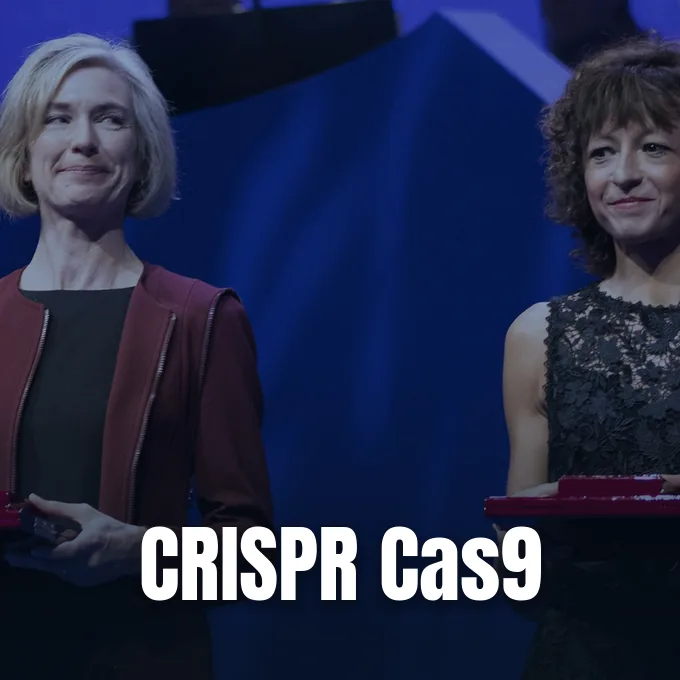
At the Max Planck Unit for the Science of Pathogens in Berlin, French microbiologist Emmanuelle Charpentier studied the pathogen Streptococcus pyogenes and discovered a previously unknown molecule named tracrRNA [7]. That small RNA molecule proved essential for cell defense. Charpentier showed that tracrRNA pairs with CRISPR RNA to steer the Cas9 enzyme toward foreign viral DNA, and in 2011 she met American biochemist Jennifer Doudna from the University of California, Berkeley, at an academic conference in Puerto Rico [6, 7]. They met in San Juan. While walking through the streets of the capital, the two scientists agreed to collaborate on purifying and testing the bacterial nuclease [7].
In 2012, Charpentier and Doudna published a paper in the journal Science showing that Cas9 could be programmed with a single synthetic guide RNA to cut target DNA in a test tube. Their test-tube demonstration proved that bacterial defense enzymes could operate as a universal cutting tool [7].
Molecular Mechanics of the Cut
When cutting DNA, crispr cas9 depends on a molecular partnership between the Cas9 endonuclease and an engineered single guide RNA. Guide RNAs carry a 20-nucleotide code matching the target gene. Before Cas9 can interact with this target sequence, it must first recognize a short adjacent motif known as the protospacer adjacent motif, or PAM. For Cas9 derived from Streptococcus pyogenes, this conserved motif consists of the three-nucleotide sequence NGG located on the non-target DNA strand. If this motif is absent, Cas9 cannot bind or cut the target DNA strand, preventing bacteria from cleaving their own stored spacer units. PAM recognition acts as a molecular safety catch [15].
Once Cas9 verifies the PAM sequence, it unzips the double helix and pairs its guide RNA with the matching genomic strand. Exact base pairing activates the enzyme. The two catalytic domains of Cas9 then cleave both strands of the DNA molecule three base pairs upstream of the PAM, creating a blunt double-strand break [15]. Because severed chromosomes threaten cell survival, internal repair enzymes arrive at the cut site to rejoin the loose ends [13].
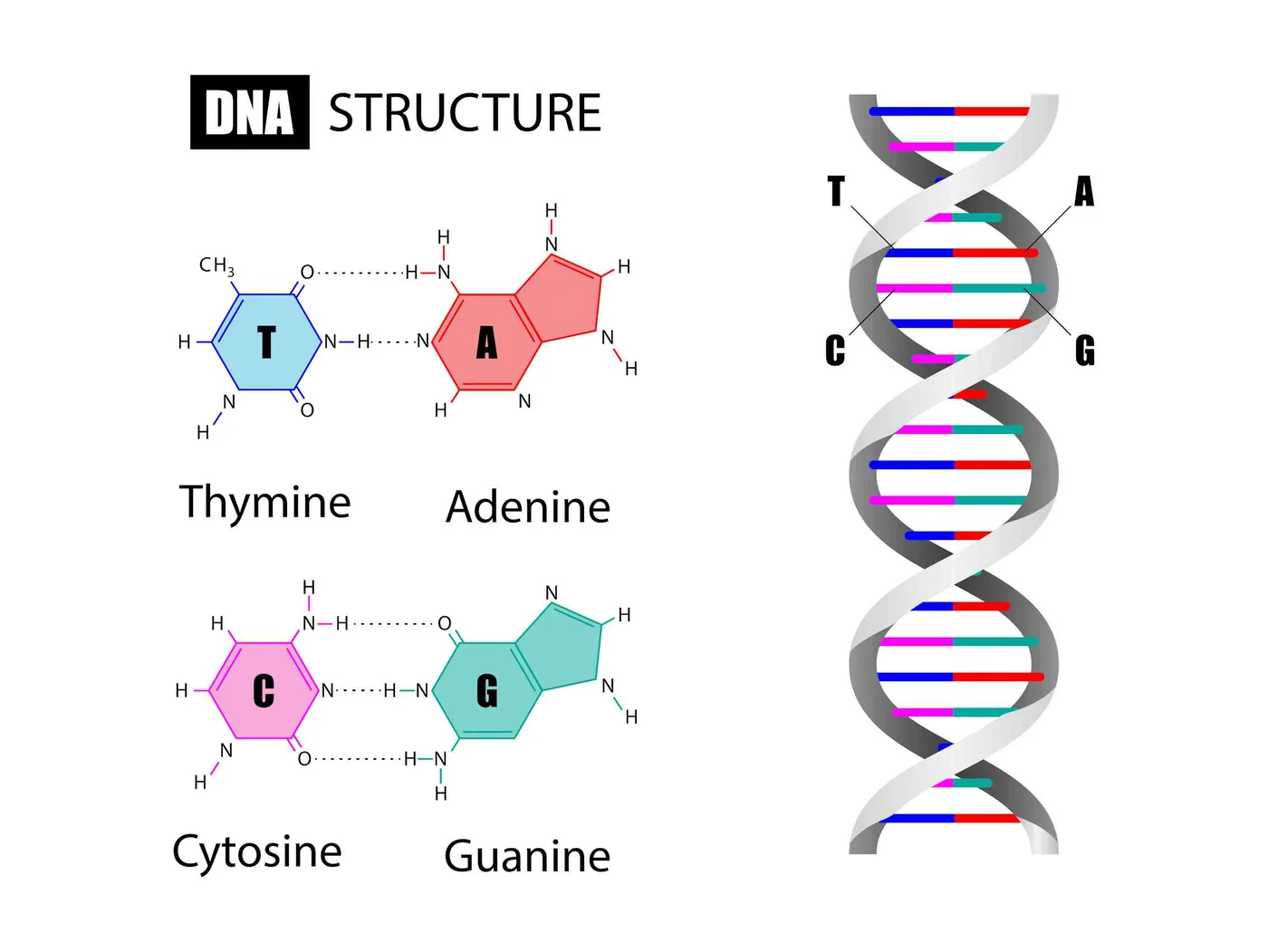
Non-homologous end joining often inserts or deletes several nucleotides during this repair process, disrupting the open reading frame of the targeted gene [13]. Random nucleotide changes create an effective method for gene knockout [15]. If researchers supply an outside donor DNA template, homology-directed repair can insert new sequences at the break site instead [13].
The Patent Battle Over Eukaryotic Cells
Following the 2012 paper by Charpentier and Doudna, bioengineers raced to adapt the bacterial system for complex nucleated cells. In Cambridge, Massachusetts, bioengineer Feng Zhang of the MIT-Harvard Broad Institute and Harvard geneticist George Church published papers showing CRISPR editing in human and mouse cell lines. Doudna published similar eukaryotic findings in human cells shortly afterward. Zhang filed an expedited patent application for eukaryotic genome editing, and the US Patent and Trademark Office granted Broad Institute US Patent 8,697,359 in April 2014 [2, 13]. Patenting crispr cas9 applications in eukaryotic cells gave Broad broad commercial control over uses in plants, animals, and humans [2].
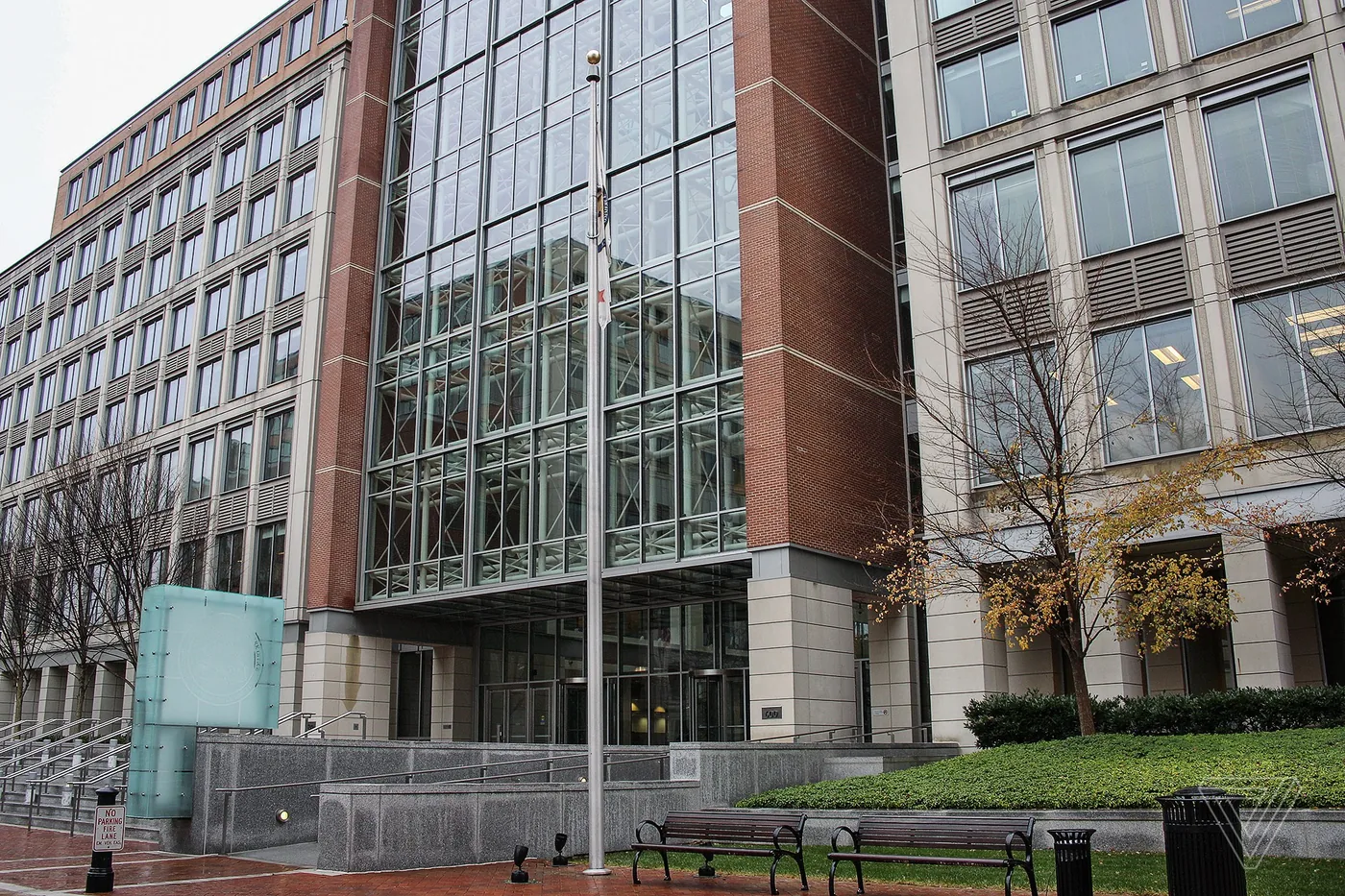
The early patent grant triggered an intense legal battle between the Broad Institute and the University of California, Berkeley [3]. Startups quickly formed around the technology, with Charpentier co-founding CRISPR Therapeutics with Rodger Novak in Switzerland, while Doudna launched Caribou Biosciences and partnered with Intellia Therapeutics, competing against Zhang’s Editas Medicine [2]. Berkeley requested an interference proceeding before the US Patent Trial and Appeal Board in Alexandria, Virginia, arguing that applying Cas9 to eukaryotic cells was an obvious next step. Broad attorneys countered that getting the bacterial system to function inside complex nucleated cells required inventive leaps [3]. In March 2022, the patent office ruled against Berkeley, confirming that the Broad Institute held foundational rights to eukaryotic genome editing [4].
In October 2020, the Nobel Committee for Chemistry awarded the Nobel Prize in Chemistry to Emmanuelle Charpentier and Jennifer Doudna [6]. They shared the 10 million krona prize, worth about $1.1 million. Alfred Nobel founded the prizes in his 1895 will, a year before his death [7]. Lithuanian biochemist Virginijus Šikšnys of Vilnius University, who shared the Norwegian Kavli Prize with Doudna and Charpentier for independent early work, was omitted from the Nobel recognition [1].


Approved CRISPR Cas9 Clinical Treatments
In November 2023, the UK Medicines and Healthcare products Regulatory Agency authorized Casgevy, known generically as exagamglogene autotemcel, as the world’s first licensed crispr cas9 medicine [11, 12]. It marked a clinical turning point. Developed by Boston-based Vertex Pharmaceuticals and CRISPR Therapeutics, the drug treats sickle cell disease and transfusion-dependent beta-thalassemia in patients aged 12 and older [12]. Both blood conditions stem from inherited errors in the gene for hemoglobin, the protein red blood cells use to carry oxygen. Medical teams led by Prof Josu de la Fuente at Imperial College Healthcare NHS Trust remove bone marrow stem cells, edit the DNA in a lab with molecular scissors, and infuse the corrected cells back into the body [11, 12].
Clinical trials run by Julian Beach at the MHRA confirmed significant relief for treated patients. In the sickle cell trial, 28 out of 29 eligible patients, or 97%, experienced zero severe pain episodes for at least one full year after receiving Casgevy. In the beta-thalassemia trial, 39 out of 42 eligible patients, or 93%, avoided blood transfusions for at least a full year [12]. Jimi Olaghere, an early trial participant treated in the United States, said the therapy felt like being born again. Regulators in Bahrain and the US Food and Drug Administration soon approved the drug, and John James OBE of the Sickle Cell Society welcomed the therapeutic breakthrough [11, 12, 13].
Beyond blood disorders, lead investigator Edward Stadtmauer at the University of Pennsylvania tested edited T-cells in three cancer patients, showing that the complex cell therapy was safe and non-toxic. Stadtmauer used viral vectors to arm T-cells against the NY-ESO-1 tumor protein [5]. Clinical teams also study the potential of CRISPR gene editing for Alzheimer’s treatment and related brain diseases [6].
Engineered Variants Beyond Standard Cas9
Despite the utility of standard Cas9, cutting both DNA strands carries risks of unintended chromosomal deletions or complex rearrangements. Severing both strands can damage genomes. To improve targeting precision, Harvard University chemist David Liu engineered base editors that modify individual chemical letters without breaking the double helix. This molecular machine converts an adenine to a guanine, or a cytosine to a thymine, correcting point mutations directly. Working with Francis Collins, former leader of the Human Genome Project at the US National Institutes of Health, Liu used base editing in mice to correct the Lamin A gene in progeria, also called Hutchinson-Gilford syndrome [10].
At the University of California, San Diego, geneticists Ethan Bier and Annabel Guichard introduced another variation using a Cas9 nickase that cuts only one strand of the DNA double helix. In laboratory experiments on fruit flies carrying white-eye mutations, the nickase system restored normal red eye color in up to 65% of cells, compared to 30% for standard Cas9. The system used the matching chromosome from the other parent as a natural repair template. Bier said off-target errors dropped from roughly 1% to about 1 in 10,000 [9].
Protein size presents another major hurdle, as natural Cas9 enzymes contain 1,000 to 1,500 amino acids. At Stanford University, bioengineers Stanley Qi and Xiaoshu Xu developed CasMINI, an engineered enzyme of only 529 amino acids derived from the archaeal Cas12f protein. Related efforts explore CRISPR and the rise of RNA-editing treatments that target temporary messenger transcripts [8].
Delivery Barriers in Living Tissues
Transporting crispr cas9 components into target tissues inside living human patients is still a major challenge for broader clinical adoption [2, 10]. Delivering molecular editing tools to internal organs like the brain, heart, or liver needs vehicles that can navigate biological barriers without provoking harmful immune attacks. Scientists often package Cas9 and guide RNA sequences into adeno-associated virus vectors or synthetic lipid nanoparticles [8, 10]. However, adeno-associated viral vectors have limited genetic carrying capacities, which makes packaging large Cas9 genes with necessary promoters and regulatory elements difficult. Developing smaller Cas variants helps resolve these packaging constraints [8].
Pre-existing immune responses in humans create an additional barrier to clinical therapies. Because Streptococcus pyogenes and Staphylococcus aureus are common human pathogens, many people carry circulating antibodies and specialized T-cells that recognize Cas9 proteins. When viral vectors express bacterial enzymes inside the body for prolonged periods, host immune systems can destroy the edited cells. Researchers work on delivery platforms that degrade quickly after completing the edit to prevent host immune detection [10].
Similar delivery barriers occur in agricultural biotechnology, where rigid cellulose cell walls prevent foreign molecules from entering plant cells. Plant bioengineers at research centers worldwide test emerging gene editing technologies to improve delivery efficiency across crops and livestock [8].
Why Researchers Rely on CRISPR Cas9
Beyond human medicine, crispr cas9 serves as a workhorse for basic biological discovery and functional genomics [13]. Screens test every gene. Early loss-of-function screens used Caenorhabditis elegans and Drosophila melanogaster before CRISPR knockout libraries replaced RNAi in human cells. Research teams routinely use genome-wide knockout screens to systematically disable each of the roughly 19,000 genes in human cell lines. By coupling Cas9 with pooled single guide RNA libraries, biologists can pinpoint which individual genes cancer cells need to survive or resist drugs. These screens largely replaced older RNA interference methods, which provided only partial gene silencing and caused many false-positive errors. Cas9 screens deliver complete, permanent gene disruption with minimal background noise [15].
In agriculture, gene editing has already produced commercial food products that have reached consumer markets in Asia. In September 2021, Japan cleared the sale of CRISPR-edited Sicilian Rouge high-GABA tomatoes engineered to produce elevated levels of gamma-aminobutyric acid to help lower blood pressure. Later that year, Japanese regulators approved two gene-edited fish: a sea bream that grows to 1.2 times its natural weight, and a fast-growing pufferfish. These agricultural applications achieve targeted genetic changes without introducing foreign transgenic sequences into the organism [13].
Despite these practical achievements, human germline editing is heavily restricted due to safety and ethical concerns [6, 13]. Global scientific bodies oppose altering human embryos or reproductive cells for reproductive purposes [6]. In 2018, Chinese biophysicist He Jiankui drew worldwide condemnation for creating gene-edited human babies, resulting in a three-year prison sentence [7]. Doudna and other scientific leaders continue to advocate for transparent international guidelines that support therapeutic applications while preventing human enhancement [6].
- ONLINE NEWS Owens, R. (2020, October 8). Nobel prize: who gets left out?. The Conversation. [Article Link]
- ONLINE NEWS Regalado, A. (2014, December 4). Who Owns the Biggest Biotech Discovery of the Century?. MIT Technology Review. [Article Link]
- ONLINE NEWS Potenza, A. (2017, April 13). UC Berkeley challenges decision that CRISPR patents belong to Broad Institute. The Verge. [Article Link]
- ONLINE NEWS Wetsman, N. (2022, March 1). UC Berkeley loses CRISPR patent case. The Verge. [Article Link]
- ONLINE NEWS ScienceAlert Staff. (2020, February 7). US Trial Shows 3 Cancer Patients Had Their Genomes Altered Safely by CRISPR. ScienceAlert. [Article Link]
- ONLINE NEWS Fischman, J. (2020, October 7). Nobel Prize in Chemistry Goes to Discovery of ‘Genetic Scissors’ Called CRISPR/Cas9. Scientific American. [Article Link]
- ONLINE NEWS Rincon, P. (2020, October 7). Two women share chemistry Nobel in historic win for ‘genetic scissors’. BBC News. [Article Link]
- ONLINE NEWS Phys.org. (2021, September 3). Researchers develop an engineered ‘mini’ CRISPR genome editing system. Phys.org. [Article Link]
- ONLINE NEWS Wong, C. (2022, July 1). CRISPR: ‘Softer’ form of gene editing technique may be more accurate. New Scientist. [Article Link]
- ONLINE NEWS Crossley, M. (2021, February 1). New CRISPR technology could revolutionise gene therapy, offering new hope to people with genetic diseases. The Conversation. [Article Link]
- ONLINE NEWS Walsh, F. (2023, November 16). Casgevy: UK approves gene-editing drug for sickle cell. BBC News. [Article Link]
- PRESS RELEASE Medicines and Healthcare products Regulatory Agency. (2023, November 16). MHRA authorises world-first gene therapy that aims to cure sickle-cell disease and transfusion-dependent β-thalassemia. GOV.UK. [Article Link]
- WEBSITE Wikipedia contributors. (n.d.). CRISPR gene editing. Wikipedia, The Free Encyclopedia. [Article Link]
- WEBSITE Wikipedia contributors. (n.d.). CRISPR Therapeutics. Wikipedia, The Free Encyclopedia. [Article Link]
- WEBSITE Wikipedia contributors. (n.d.). Genome-wide CRISPR-Cas9 knockout screens. Wikipedia, The Free Encyclopedia. [Article Link]


