





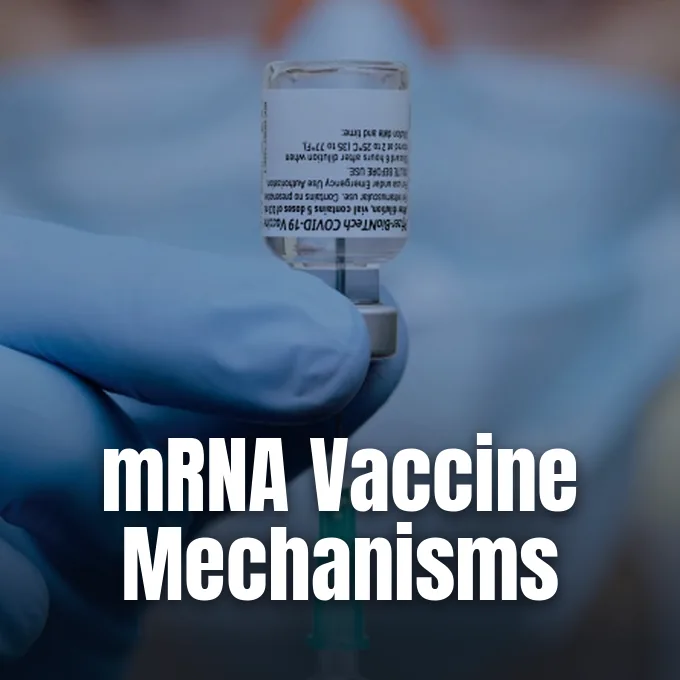
Understanding how mRNA vaccines work begins with a simple biological principle: rather than injecting weakened germs, these shots deliver genetic instructions that direct human cells to build harmless viral proteins. When delivered into muscle tissue, lab-made messenger RNA prompts host ribosomes to assemble target antigens that train the adaptive immune system without altering genomic DNA [1]. Local dendritic cells take up these foreign protein markers, travel to regional lymph nodes, and activate protective T cells and antibody-producing B cells that guard against future infection. The delivered genetic code breaks down naturally within a few days.
- How mRNA Vaccines Work Inside Muscle Cells
- Structural Anatomy of Engineered RNA
- Overcoming Cellular Alarms with Nucleoside Chemistry
- Lipid Nanoparticles for Target Delivery
- Antigen Presentation in Lymph Nodes
- Manufacturing Timelines and How mRNA Vaccines Work
- Clinical Safety and Postmarketing Surveillance
- Targeting Other Illnesses: How mRNA Vaccines Work
How mRNA Vaccines Work Inside Muscle Cells
When a clinician gives a shot of the Pfizer or Moderna vaccine into the deltoid muscle, microscopic lipid particles disperse between muscle fibers. Specialized white blood cells called dendritic cells take up the bulk of the particles through endocytosis. Inside the cell fluid, enzymes strip away the fatty coat, letting host ribosomes latch directly onto the RNA strand to read its genetic recipe. The cell uses its own amino acids to build viral spike proteins matching the SARS-CoV-2 Wuhan-Hu-1 strain. Because translation takes place outside the cell nucleus, the script never touches human DNA, and host enzymes degrade the RNA strand within days [1].
Older immunization methods depend on growing weakened viruses in chicken eggs or harvesting proteins from vats, a biological task that takes months of preparation. In contrast, explaining how mRNA vaccines work highlights a molecular shortcut where host cells serve as the temporary production factory [2]. German biotechnology firm BioNTech explored this strategy under chief medical officer Özlem Türeci, who described the platform as an adaptable programming language. “The versatility of mRNA creates a huge design space,” Türeci said when outlining how synthetic scripts direct target cells.
Clinical records confirm that earlier vaccination shields people from severe disease, much as vaccines protect children from long COVID complications across pediatric populations. Newly formed viral proteins migrate to the cell surface, alerting roving patrol cells to the foreign invader. Once surface antigens trigger this first recognition, the original blueprint disappears completely from the injection site.
Structural Anatomy of Engineered RNA
Engineered mRNA uses five structural modules to guide protein output in host cells. At the front sits a synthetic 5′-cap analogue that protects the strand against enzymatic breakdown while helping cellular initiation factors recruit the ribosomal complex for protein synthesis. Next comes the 5′-untranslated region (5′-UTR). An open reading frame follows, carrying the exact nucleotide codons needed to build the viral antigen before leading into a 3′-untranslated region and a terminal 3′-poly(A) tail that regulates strand stability. Research in RNA Biology by Schlake and colleagues showed that fine-tuning untranslated regions enhances protein output without altering the final amino acid sequence [3].
Laboratory synthesis relies on a cell-free enzymatic reaction driven by T7 RNA polymerase and engineered plasmid DNA templates [1]. Scientists design the desired sequence on computers, optimizing codon usage so host ribosomes process each triplet without pausing at rare codons. A higher content of guanine and cytosine bases boosts thermodynamic stability, prolonging the half-life of each message inside host cells. The resulting blueprint produces identical viral proteins every single time.

Because the reaction uses purified linear DNA rather than living cell cultures, manufacturers avoid animal-derived reagents and viral contaminants [4]. Technicians add enzymes to digest the DNA template before purifying the synthetic RNA through chromatography. Removing double-stranded RNA byproducts prevents excessive immune alarms that might otherwise shut down protein output. Understanding how mRNA vaccines work at the molecular level highlights why each structural component matters.
Overcoming Cellular Alarms with Nucleoside Chemistry
Early attempts to use synthetic RNA in living animals hit a major biological wall: human cells evolved to recognize foreign RNA as an invading pathogen. In 1990, physician-scientist Jon Wolff and his colleagues at the University of Wisconsin injected lab-made mRNA into mouse muscle, proving for the first time that living cells could translate foreign genetic sequences into specific functional proteins [2]. Immune alarms blocked early progress. Instead of manufacturing the desired antigen, recipient cells released defensive cytokines that destroyed the transcripts and halted protein output. Early researchers solved that self-destructive immune alarm by altering the underlying RNA chemistry.
The breakthrough arrived in 2005 at the University of Pennsylvania’s Perelman School of Medicine, where Katalin Karikó and Drew Weissman discovered a solution to RNA reactogenicity [2]. By replacing standard uridine with chemically altered analogues such as 5-methylcytidine and pseudouridine, they slipped synthetic RNA past cellular alarms without triggering destructive innate responses that normally halt protein synthesis. Weissman said that substituting these modified nucleosides increased protein output by tenfold to a thousandfold compared to natural unmodified sequences. Their foundational discovery earned the pair the 2023 Nobel Prize in Physiology or Medicine [1].
A decade later, researcher Niek Sanders at Ghent University and Ziphius Vaccines showed that incorporating N1-methylpseudouridine boosted protein translation even further. In laboratory assays, transcripts with N1-methylpseudouridine produced up to 44-fold more target protein than earlier modifications while evading destructive immune sensors. BioNTech and Moderna adopted this nucleoside chemistry for their commercial formulations against coronavirus. Sanders later partnered with synthetic biologist Ron Weiss at the Massachusetts Institute of Technology (MIT) to design switchable mRNA [2].

Lipid Nanoparticles for Target Delivery
Even with modified nucleosides, injecting naked RNA into human tissue fails because blood and interstitial fluids contain abundant ribonuclease enzymes. Justin Richner, a microbiologist at the University of Illinois College of Medicine at Chicago, said that unprotected mRNA breaks down quickly and cannot pass across lipid cell membranes on its own [2]. Cell membranes repel naked RNA. To deliver the fragile cargo intact, developers encapsulate the strands within ionizable lipid nanoparticles measuring roughly one hundred nanometers [5]. These protective capsules shield the genetic material from enzymatic destruction while aiding cellular entry.
These microscopic lipid spheres consist of four complementary chemical components: ionizable cationic lipids, helper phospholipids, cholesterol molecules, and polyethylene glycol (PEG) conjugates [5]. The ionizable lipids bind the RNA during acidic manufacturing conditions, yet shift to a neutral charge at physiological blood pH to minimize toxicity. Once inside an acidic endosome within the target cell, the lipids become positively charged again, destabilizing the endosomal membrane so the enclosed RNA escapes into the cytoplasm. Cholesterol provides structural rigidity, while PEG chains prevent the nanoparticles from clumping together in storage vials.
Specialized delivery vehicles can direct payloads toward specific tissues, including experimental formulations where vaccines delivered through inhalation target respiratory mucosal membranes directly. At BioNTech, teams optimized distinct liposomal mixtures to guide transcripts specifically to dendritic cells in lymphatic tissue [2]. Because lipid nanoparticles dictate how mRNA vaccines work in human tissue, chemists continuously refine their lipid shells.

Antigen Presentation in Lymph Nodes
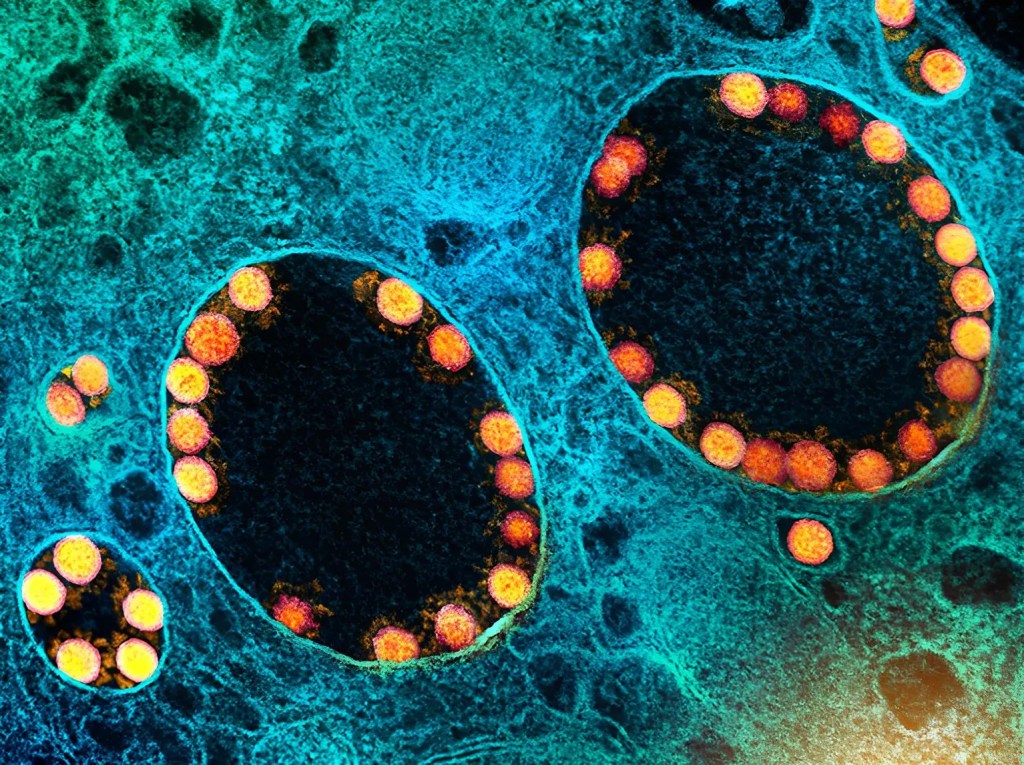
Once ribosomes finish translating the synthetic message, cellular proteasomes break down a portion of the newly formed viral proteins into small peptide fragments [1]. Transporter proteins shuttle these peptides into the endoplasmic reticulum, where major histocompatibility complex (MHC) class I molecules bind the fragments and carry them to the cell surface. Concurrently, cells secrete intact antigens that antigen-presenting cells engulf and process onto MHC class II receptors. Dual antigen presentation ensures that the immune system activates two complementary branches of protective defense: cellular cytotoxic killer cells and humoral antibody production [3].
Loaded with foreign peptide markers, activated dendritic cells leave the deltoid muscle and travel through lymphatic vessels to nearby draining lymph nodes [1]. There, dendritic cells display the antigens to resting T cells and B cells. T cells release chemical signals that prompt resting B cells to proliferate, undergo somatic hypermutation in germinal centers, and mature into high-affinity plasma cells. In Frontiers in Immunology, Zhang and colleagues note that coordinated lymphocyte activation builds robust immunity [6].
The immune response leaves behind long-lived memory B cells and memory T cells that persist in bone marrow and lymph nodes for years [6]. Does this dual activation explain why mRNA platforms outperform older protein-subunit approaches? Immunologists point to the balanced induction of killer T cells, which destroy infected host cells that antibodies cannot reach. Similar precision mechanisms now support broader RNA technologies, including experimental CRISPR and RNA-editing treatments that modify cellular transcripts directly.
Manufacturing Timelines and How mRNA Vaccines Work
The main industrial advantage of messenger RNA platforms is that manufacturing remains virtually identical regardless of the pathogen targeted [4]. With conventional flu vaccines, pharmaceutical companies grow specific viral strains inside millions of fertilized chicken eggs, a slow biological process that takes six months. Data from the US Centers for Disease Control and Prevention (CDC) on seasonal flu vaccines between 2009 and 2020 show an average effectiveness of just 43% [2]. In the 2014–2015 season, efficacy plunged to 19%, while the 2010–2011 season reached 60%. Traditional makers lock in strains months ahead, leaving shots vulnerable to viral mutations. Nucleic acid platforms bypass these bottlenecks [4]. The core reason why mRNA vaccines work so quickly during pandemics is the simplicity of in vitro transcription.
Philip Dormitzer, Vice President and Chief Scientific Officer: Viral Vaccines at Pfizer Vaccines Research and Development, said that swapping one gene for another changes manufacturing very little [2]. “Swapping one gene for another with mRNA changes its properties very little in manufacturing, which is much easier than changing a viral strain,” Dormitzer said. “The closer you can move the strain selection to flu season, the more accurate you will be,” he added. Because technicians need only update the digital sequence and synthesize a new DNA template, production begins days after genetic sequencing of a new pathogen [4]. Standard chemical reactors produce each batch.
This computational speed proved decisive during the COVID-19 pandemic when Pfizer, a 171-year-old Fortune 500 powerhouse, partnered with BioNTech to develop BNT162b2 in Andover, Massachusetts [9]. Nearby in Cambridge, biotech firm Moderna pursued a parallel clinical timeline supported by an early $25 million grant from DARPA’s ADEPT defense program [1]. Within ten months of viral sequencing, both candidates concluded clinical trials and secured emergency regulatory authorizations worldwide.
Clinical Safety and Postmarketing Surveillance
Clinical trials evaluating human recipients demonstrated high protective efficacy alongside predictable, short-lived side effect profiles [10]. In the pivotal phase III trial of BNT162b2 (Comirnaty) enrolling over 40,000 participants, interim analysis revealed 91.3% efficacy against symptomatic infection with no serious safety concerns. On 2 December 2020, the UK Medicines and Healthcare products Regulatory Agency (MHRA) became the first regulatory body in history to authorize an mRNA vaccine, followed shortly by the US Food and Drug Administration (FDA). Most observed side effects were transient, including injection site pain in up to 90.5% of recipients, fatigue in 77.5%, headache in 75.5%, chills in 49.2%, and fever in 24.3% [11]. Symptoms resolve within days.
Postmarketing surveillance across millions of recipients identified rare inflammatory heart conditions, specifically myocarditis and pericarditis. Official FDA prescribing labels note that symptoms typically surface within seven days following vaccination, with the highest observed incidence in males aged 12 through 24 years. Analysis of commercial insurance claims data estimated roughly 8 cases per million doses across the general population and 27 cases per million doses among young males [11]. Most patients recovered quickly with standard anti-inflammatory care, though health authorities recommend close monitoring during the first week.

Longitudinal cardiology data from the MACiV multicenter study across 38 US hospitals evaluated 333 young patients diagnosed with vaccine-associated myocarditis. Researchers led by S. S. Jain published these findings in eClinicalMedicine, noting that 91% of affected patients were male with an average age of 15.7 years, and 80% experienced a mild initial hospital course compared to patients with multisystem inflammatory syndrome (MIS-C). Cardiac magnetic resonance imaging showed persistent late gadolinium enhancement in many patients at a median follow-up of five months, though long-term prognostic significance remains under investigation [12].
Targeting Other Illnesses: How mRNA Vaccines Work
The success of nucleoside-modified platforms has launched a broad wave of clinical trials targeting diverse human pathogens beyond coronavirus. Drew Weissman said that his laboratory at the University of Pennsylvania is actively developing roughly 30 different mRNA vaccines, targeting diseases such as tuberculosis, malaria, hepatitis C, and HIV. In collaboration with virologist Harvey Friedman, Weissman designed a genital herpes formulation combining nucleoside-modified RNA and lipid nanoparticles that showed complete protection in preclinical animal models. With HIV, researchers must engineer complex glycoproteins to overcome rapid mutation rates and dense protective surface sugars [2].
Regulatory approvals for non-COVID applications are already expanding across major global jurisdictions. On 31 May 2024, the US Food and Drug Administration approved mRESVIA, an mRNA-based respiratory syncytial virus (RSV) vaccine developed by Moderna for adults aged 60 and older [13]. European regulators authorized Moderna’s combination influenza and COVID-19 shot, mCombriax, in February 2026, while the FDA cleared the company’s standalone flu vaccine mFlusiva (mRNA-1010) in August 2026 for individuals over age 50 [1]. These milestones demonstrate that synthetic RNA platforms are successfully transitioning into routine adult immunization schedules.
Cancer immunotherapy uses the same genetic platform to target patient-specific malignant cells [8]. By sequencing patient tumors, clinicians identify unique neoantigens and formulate custom RNA cocktails within weeks [7]. These personalized shots instruct cytotoxic T cells to seek out and destroy malignant cells while sparing surrounding healthy tissue. Papers in Molecular Cancer note that combining therapeutic RNA with checkpoint inhibitors enhances anti-tumor immunity in clinical trials [8].
- WEBSITE Wikipedia contributors. (2026). MRNA vaccine. Wikipedia, The Free Encyclopedia. [Article Link]
- ONLINE NEWS May, M. (2021). After COVID-19 successes, researchers push to develop mRNA vaccines for other diseases. Nature Medicine, 27(6), 930-932. [Article Link]
- ACADEMIC JOURNAL Schlake, T., Theß, A., Fotin‐Mleczek, M., & Kallen, K. (2012). Developing mRNA-vaccine technologies. RNA Biology, 9(11), 1319-1330. [Article Link]
- ACADEMIC JOURNAL Gote, V., Bolla, P. K., Kommineni, N., Butreddy, A., Nukala, P. K., Palakurthi, S. S., & Khan, W. (2023). A Comprehensive Review of mRNA Vaccines. International Journal of Molecular Sciences, 24(3), 2700. [Article Link]
- ACADEMIC JOURNAL Buschmann, M. D., Carrasco, M. J., Alishetty, S., Paige, M. A., Alameh, M., & Weissman, D. (2021). Nanomaterial Delivery Systems for mRNA Vaccines. Vaccines, 9(1), 65. [Article Link]
- ACADEMIC JOURNAL Zhang, C., Maruggi, G., Shan, H., & Li, J. (2019). Advances in mRNA Vaccines for Infectious Diseases. Frontiers in Immunology, 10, 594. [Article Link]
- ACADEMIC JOURNAL Wang, Y., Zhang, Z., Luo, J., Han, X., Wei, Y., & Wei, X. (2021). mRNA vaccine: a potential therapeutic strategy. Molecular Cancer, 20(1), 33. [Article Link]
- ACADEMIC JOURNAL Miao, L., Zhang, Y., & Huang, L. (2021). mRNA vaccine for cancer immunotherapy. Molecular Cancer, 20(1). [Article Link]
- ONLINE NEWS Garde, D., & Saltzman, J. (2020, November 10). The story of mRNA: How a once-dismissed idea became a leading technology in the Covid vaccine race. STAT. [Article Link]
- WEBSITE Wikipedia contributors. (2026). Pfizer–BioNTech COVID-19 vaccine. Wikipedia, The Free Encyclopedia. [Article Link]
- WEBSITE Pfizer Laboratories Div Pfizer Inc. (2026, September 2). COMIRNATY- covid-19 vaccine, mrna injection, suspension. DailyMed. [Article Link]
- ACADEMIC JOURNAL Jain, S. S., Anderson, S. A., Steele, J. M., Wilson, H. C., Muniz, J. C., Soslow, J. H., Beroukhim, R. S., Maksymiuk, V., Jacquemyn, X., Frosch, O. H., Fonseca, B., Harahsheh, A. S., Buddhe, S., Ashwath, R. C., Thacker, D., Maskatia, S. A., Misra, N., Su, J. A., Siddiqui, S.,. Mathis, C. (2024). Cardiac manifestations and outcomes of COVID-19 vaccine-associated myocarditis in the young in the USA: longitudinal results from the Myocarditis After COVID Vaccination (MACiV) multicenter study. eClinicalMedicine, 76, 102809. [Article Link]
- PRESS RELEASE U.S. Food and Drug Administration. (2024, May 31). FDA Roundup: May 31, 2024. [Article Link]


